Car Stalls While Driving but Starts Back Up
This is a mechanical problem to get diagnosed, not something your car insurance covers or needs to know about.
This is a repair issue, not an insurance issue
A car that stalls and then starts again is telling you something specific is failing, not working randomly. Common causes are a failing crankshaft position sensor, a dirty or weak fuel pump, a loose or corroded battery connection, or a faulty idle control valve. None of these are things your insurer handles or wants a call about.
Your car insurance pays for damage after an accident or certain covered events. It does not pay to diagnose or fix a car that stalls on its own. That's a job for a mechanic, and the sooner you get it looked at, the better, since a stall at the wrong moment, like in an intersection or on a highway on ramp, can put you in a dangerous spot.
Whether it happens hot, cold, idling, or at speed
When the stall happens tells a mechanic a lot before they even open the hood. Stalling right after startup, before the engine warms up, often points to a sensor or idle air control issue. Stalling at idle, like at a stoplight, often points to a vacuum leak or a dying idle control valve.
Stalling while driving at speed is the one that matters most for safety, since it can mean a fuel delivery problem or an electrical fault that cuts power unpredictably. Write down exactly what you were doing each time it happened. Was the engine warm, was the car idling or moving, did any warning light come on first. That pattern is the first thing a mechanic will ask about.
If it has happened more than once, don't wait for it to become constant. Intermittent problems like this tend to get worse and more frequent, not go away on their own.
Whether a warning light came on before it stalled
If the check engine light, battery light, or any other dashboard light came on before or during the stall, that's useful information for a mechanic and worth noting even if it turned off again. A code may still be stored in the car's computer even after the light goes out.
If no light came on at all, that doesn't rule out a problem. Some issues, especially with fuel pumps or certain sensors, don't always trigger a warning light right away.
Either way, get the car scanned for stored codes before you decide the problem is too minor to deal with. Many auto parts stores will do a basic scan at no cost, and it can point you toward what's actually failing instead of guessing.
Questions people ask about this
Is it safe to keep driving a car that stalls and restarts?
Not reliably, since you don't know when or where it will happen next. A stall in traffic or while merging is a real hazard. Get it looked at before you rely on the car for regular driving, especially highway driving.
Will my insurance rate go up if my car breaks down?
No, a mechanical breakdown with no accident and no claim filed has no effect on your rate. Rates are affected by claims, violations, and similar events, not by repairs you pay for out of pocket.
Does car insurance cover towing if my car stalls?
Only if you have roadside assistance or towing coverage added to your policy. Check your policy documents or call your insurer to confirm whether you have this coverage and what it includes before you need it.
What does it mean if the car stalls only when it's cold outside?
This often points to an idle air control valve, a vacuum leak, or a fuel delivery issue that shows up more when the engine hasn't warmed up yet. Mention the cold weather pattern specifically when you describe the problem to a mechanic.
Could a dead battery cause a car to stall and then restart?
A weak battery or a corroded connection can cause intermittent power loss that feels like a stall. It's one of the simpler things to rule out, so have the battery and its terminals checked early before moving to more involved diagnostics.
While you get the car sorted out, it's worth checking that your coverage still fits what you need.
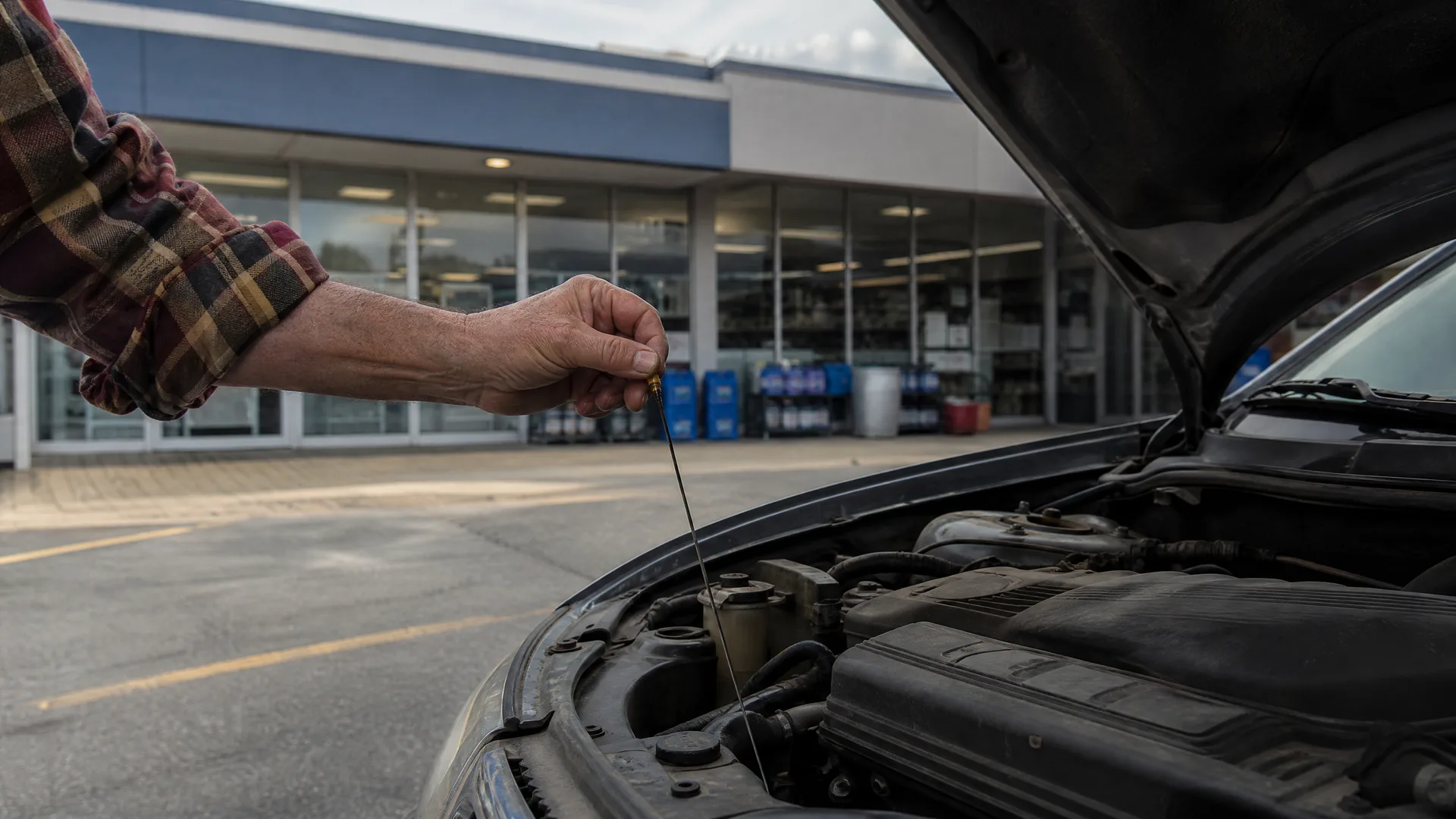
Get the car to a mechanic and describe exactly when the stalling happens, including whether the engine was warm or cold, idling or moving, and whether any warning light appeared. Ask for a scan of stored diagnostic codes even if no light is currently on. If the car has stalled while driving at speed, treat that as urgent and avoid highway driving until it's diagnosed. Separately, pull out your insurance policy or call your agent to confirm whether you have roadside assistance or towing coverage, since that's useful to know regardless of what the mechanic finds.