How Frequently to Check Tire Pressure
Check your tire pressure once a month, and before any long trip.
Check it once a month
Tire pressure drops on its own over time, even with no leak and no damage. A monthly check catches that drift before it becomes a problem you can feel in the steering or see in the tread.
Temperature swings speed this up. A cold morning can take several pounds off a tire that was fine the week before, so the start of a new season is a good time to check, not just a date on a calendar.
Temperature is what moves the number
Tire pressure follows the outside temperature. As the air inside the tire cools, it contracts, and the reading on your gauge drops even though nothing is wrong with the tire itself.
This is why a tire can look fine and still be low. You won't always see it or feel it in how the car handles, especially at low speeds. A gauge is the only way to know for sure.
Check when the tires are cold, meaning the car has been sitting for a few hours. Driving even a short distance warms the air inside and gives you a higher reading than the tire's true pressure.
If you live somewhere with a real swing between seasons, check again at the start of each one. The drop from a warm month into a cold one is often enough to take a tire from normal to noticeably under.
What people get wrong about checking it
Many drivers check by eye, not by gauge. Tires are built to look normal even when they're under the recommended pressure, so a glance from across the driveway won't tell you what a gauge will.
Another common mistake is checking right after driving. The reading will be higher than the tire's actual cold pressure, which can lead you to think a low tire is fine.
The number to check against is on the sticker inside the driver's door frame or in the owner's manual, not the number printed on the tire itself. That number on the tire is the maximum the tire can hold, not what your car needs.
A tire pressure warning light on the dashboard means a tire has already dropped well below where it should be. Waiting for that light means you're checking far less often than once a month.
Questions people ask about this
What happens if you drive on low tire pressure for too long?
The tire wears unevenly and generates more heat than it's built for, which raises the risk of a blowout. It also uses more fuel and handles worse, particularly in rain or on a tight turn.
Can cold weather alone cause a flat tire?
Cold weather can take a tire from a safe pressure to a noticeably low one without any leak at all. It isn't a flat in the sense of damage, but it can leave a tire under enough pressure to drive unsafely on.
Do I need to check the spare tire pressure too?
Yes, a spare loses pressure the same way the other four tires do, just more slowly since it isn't rolling. Check it whenever you check the others, since finding out it's flat only happens when you need it.
How do I know what tire pressure my car needs?
Look at the sticker inside the driver's side door frame, which lists the correct pressure for your specific car. The owner's manual has the same number if the sticker has worn off or isn't there.
Does low tire pressure affect insurance if I'm in an accident?
This depends on the circumstances and the insurer, since a claim can look at whether the vehicle was properly maintained. Ask your insurer directly if you want to know how they'd view a maintenance issue in a claim.
If a maintenance habit like this is part of what you're weighing, compare quotes to see how insurers price it.
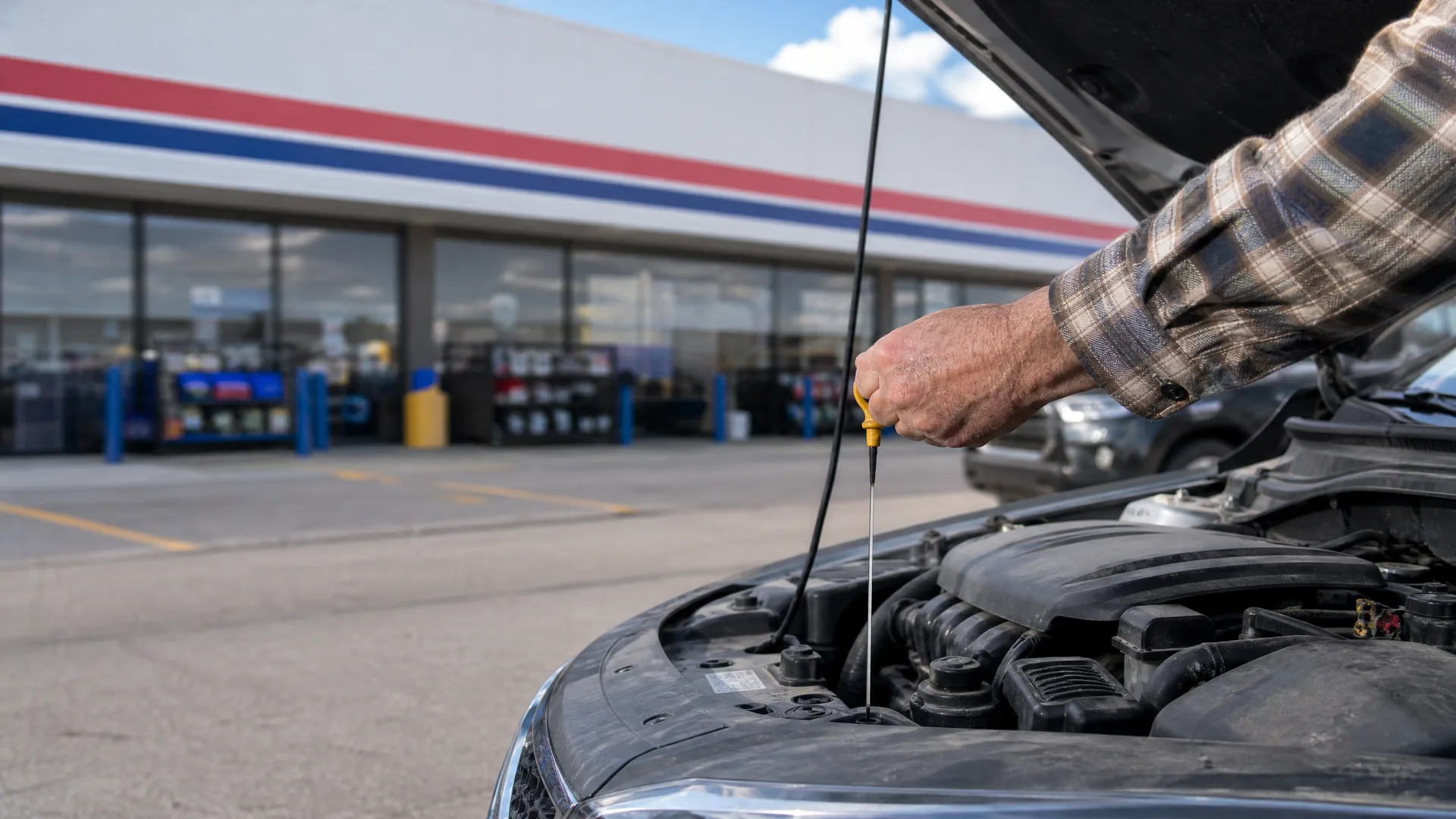
Buy a tire gauge if you don't already have one, and keep it in the glove compartment so it's there when you need it. Find the correct pressure for your car on the door frame sticker or in the owner's manual, and write it down somewhere you won't lose it. Check all four tires and the spare once a month, always before the car has been driven that day. Check again at the start of each season, since that's when temperature swings are largest. If you ever see the tire pressure warning light, check the tires as soon as you can rather than waiting for the next scheduled check.