How to Find a Trustworthy Mechanic
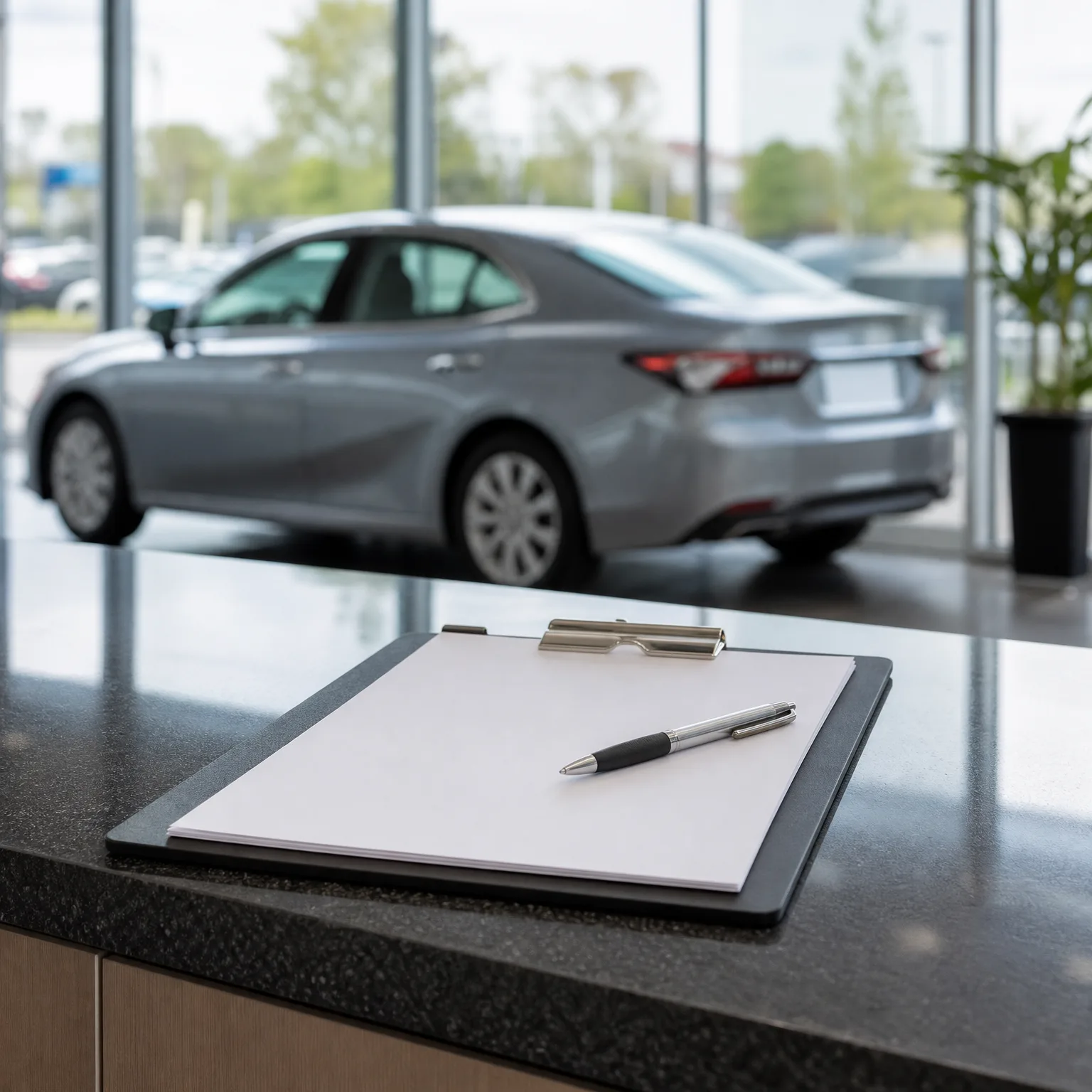
Ask for a written estimate before any work starts, and check the shop's reviews and certifications before you decide.
Look for a shop that explains before it charges
A trustworthy mechanic tells you what's wrong, why, and what it costs before touching your car. They show you the old part if you ask. They don't push repairs you didn't come in for.
The clearest sign is how they handle the estimate. A shop that writes it down and explains each line is treating you as someone they want back. A shop that talks fast and skips the paper usually isn't.

What to check before you ever drop off your car
Start with certification. A shop with ASE certified mechanics has had its technicians tested on specific repair areas. It doesn't guarantee honesty, but it means the person working on your car has proven they know the job.
Then look at reviews, but read past the star rating. Look for what people say about estimates, about whether the final bill matched what they were told, and about how the shop handled a disagreement. A shop with a few bad reviews that it responded to calmly often tells you more than one with no complaints at all.
Ask how long the shop has been at that location. A mechanic who has been in the same place for years is easier to hold accountable than one that could close and reopen under a new name.
If you can, ask a neighbor or a coworker who they use. A shop that keeps the same customers for years is doing something right, and you'll hear it in how people describe them.
What happens once you're in the shop
Get the estimate in writing before any work begins. A shop that's confident in its pricing won't mind putting it on paper, and you'll have something to point to if the final bill is different.
Ask to see the old part when a repair is done. Most legitimate shops keep it for you automatically or will show you without hesitation. Reluctance here is worth noticing.
Be wary of a mechanic who finds several more problems the moment you mention one. It happens that one repair uncovers another, but it should come with an explanation you can understand, not just a longer bill.
If something about the diagnosis doesn't sit right, you're allowed to get a second opinion before authorizing the work. A trustworthy shop won't take offense at that.
Questions people ask about this
How do I know if a mechanic is overcharging me?
Compare the estimate against what a second shop quotes for the same repair. Parts and labor rates vary by shop and by region, so one higher quote isn't automatically a red flag, but a large gap is worth asking about directly.
What does ASE certified mean?
It means a technician has passed tests from the National Institute for Automotive Service Excellence in specific repair areas, like brakes or engine repair. It's a measure of tested knowledge, not a guarantee of honest pricing, so it's one thing to check alongside reviews and reputation.
Should I use the dealership or an independent mechanic?
It depends on what you need done. Dealerships often have manufacturer-specific training and parts, which can matter for newer cars still under warranty. Independent shops can be more flexible on price and scheduling. Either can be trustworthy or not, so the same checks apply to both.
How often should I get my car serviced to avoid bigger repairs?
Follow the schedule in your owner's manual, since it's built around your specific make and model. Skipping routine service is one of the most common ways small issues turn into expensive ones, so staying on schedule is worth it even when nothing seems wrong.
Can a bad repair history affect my car insurance?
It can affect your car's condition and value, which your insurer may ask about when you file a claim. Keeping service records is useful for that reason, separate from whether the repairs themselves were handled honestly.
Once your car is running right, it's worth checking whether your insurance still fits how you actually drive.

Start by asking two or three shops near you for a written estimate on the same repair, even if you're not ready to commit yet. Look up each shop's reviews and check whether their technicians list ASE certification. Ask how long they've been at their current location. When you do choose a shop, keep every estimate and receipt, since a clear repair history helps you down the road, whether you're negotiating a future repair or filing an insurance claim. If a mechanic resists writing down an estimate or showing you an old part, take that as your answer.