How to Know When to Stop Putting Air in Tire Without Gauge
You can judge a badly underinflated tire by eye, but without a gauge you're guessing at the number that actually protects your tires and your car.
You can't know the exact pressure without a gauge, only whether it's clearly low
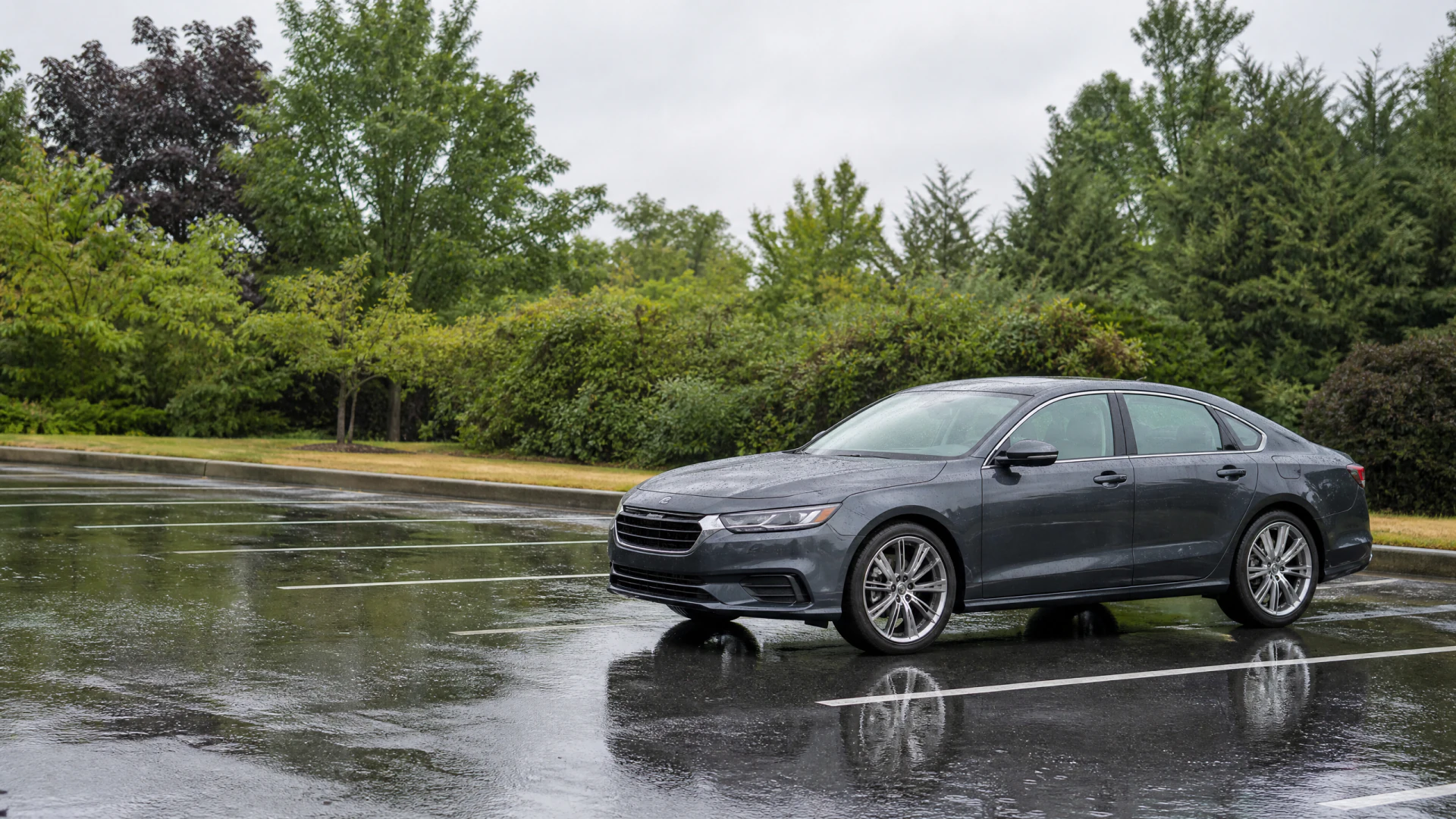
Without a gauge, you're limited to what you can see and feel. A tire that's significantly underinflated will look flatter at the bottom where it meets the road, and if you press on the sidewall with your thumb it will give more than a properly inflated one next to it. Some cars also have a dashboard warning light that comes on when pressure drops enough to matter.
None of that tells you the actual number, and tires can be meaningfully underinflated before any of it becomes obvious. A tire can look fine and still be low enough to wear unevenly or run hotter than it should. The only way to know you've hit the right pressure, the one listed on the sticker inside your driver's door, is to measure it.
Your car's door sticker, not the tire's sidewall
The number molded into the tire's sidewall is the maximum pressure that tire can hold, not the pressure your car needs. The correct number for your vehicle is on a sticker inside the driver's door jamb, and it's usually lower than the sidewall maximum.
If you're filling air by feel, aim for that door sticker number as your real target, even though you can't confirm you've hit it without a gauge. Knowing the right number at least tells you how far off you might be if a tire looks or feels soft.
Many gas station air pumps have a built-in gauge, and some pumps will stop or beep at a set pressure if you dial it in beforehand. Using one of those, even occasionally, is a reasonable stand-in until you get a gauge of your own.
Why guessing costs you more than a gauge would
Driving on tires that are underinflated, even by a modest amount, wears the edges of the tread faster and shortens the life of the tire. It also makes the car handle less predictably, which matters if you're ever in a situation where you need to stop or steer quickly.
A cheap tire gauge costs very little and takes the guessing out entirely. Keeping one in the glove box means you can check pressure in under a minute instead of relying on how a tire looks after you've already filled it.
If tire wear from low pressure eventually leads to a blowout or a loss of control, that's the kind of incident that shows up on your driving record and can affect what you pay for insurance going forward. Catching low pressure early with an actual reading avoids that chain of events.
Questions people ask about this
Can I use my phone to check tire pressure instead of a gauge?
Some phone apps claim to estimate tire pressure using the phone's accelerometer, but they're not reliable for an actual number. They might flag a dramatic difference between tires, but they shouldn't replace a real gauge for setting pressure correctly.
Why does my tire look low but the pressure is actually fine?
Tires are designed to bulge slightly at the bottom where they meet the road, so a properly inflated tire can still look a bit flat to the eye. This is one of the reasons visual checks alone aren't a good substitute for measuring pressure directly.
How often should I check my tire pressure?
Checking at least once a month is a common habit among drivers who want to catch slow leaks before they become a problem. Temperature changes between seasons also shift tire pressure, so it's worth checking again whenever the weather turns noticeably colder or warmer.
Does a tire pressure warning light mean I'm already driving unsafely?
The warning light usually means pressure has dropped below a set threshold, not that the tire is at immediate risk of failing. Still, it's a sign to check and fill the tire as soon as you reasonably can rather than waiting.
Will uneven tire wear from low pressure affect my insurance?
Tire wear itself isn't something insurers typically check unless it contributes to an accident. If underinflated tires lead to a loss of control or a collision, that incident becomes part of your driving record, which is what insurers actually look at.
If tire wear or a past incident has affected what you're paying, it's worth seeing what else is out there.
Pick up a tire gauge, they're inexpensive and small enough to keep in the glove box permanently. Find the correct pressure for your car on the sticker inside the driver's door, not the number on the tire itself. Check all four tires when they're cold, ideally before you've driven that day, since driving heats the air inside and raises the reading. If you don't have a gauge yet, use the one built into a gas station air pump as a temporary measure. Make checking pressure a monthly habit, and check again whenever there's a sharp change in outdoor temperature.