How to Plan a Long Road Trip After Retirement
The trip depends less on your age than on your car, your coverage, and how you pace the days behind the wheel.
Plan the trip in three parts: the car, the coverage, and the pace
Planning a long road trip after retirement means handling three things before you leave: making sure your car is ready for the distance, making sure your insurance and roadside coverage actually work outside your home state, and setting a pace that doesn't wear you down halfway through.
None of this is really about being retired. It's about driving further than you normally do, often through places you don't know, for more days in a row than your usual trips. The difference retirement makes is time. You're not planning around a work schedule, so you can set the pace yourself instead of rushing it.

Your insurance and roadside coverage need to travel with you
Call your insurer before you leave and ask what your policy covers outside your home state. Liability coverage generally follows you across state lines, but the minimum amounts required can differ from state to state, and your policy will use whichever is higher. Ask them to confirm this in plain terms for your specific policy.
Check your roadside assistance separately. Some plans cap how many miles a tow can cover, or charge more once you're a certain distance from home. If you're relying on a credit card's travel protection or a separate roadside plan, read what it actually promises before you need it, not after.
If you're renting a car for part of the trip, or borrowing a relative's car, ask your insurer how your policy applies to a car you don't own. This changes what's covered and what isn't, and it's worth a five-minute call rather than a guess.
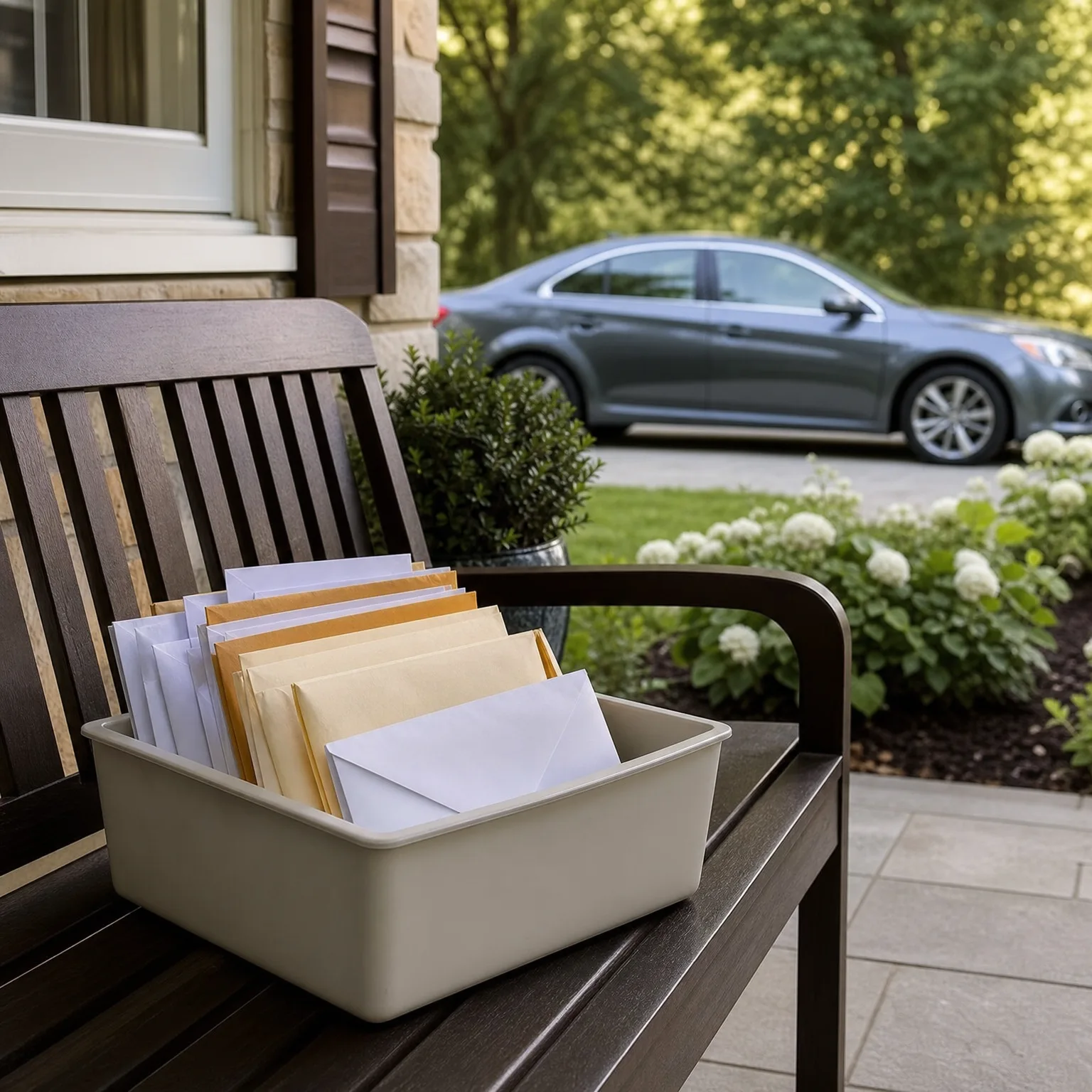
Keep your insurance card, your roadside number, and your agent's contact information somewhere you can reach them without digging, not buried in a glovebox folder you haven't opened in years.
The biggest mistake is planning the route and skipping the pace
People spend hours mapping the stops and almost no time thinking about how many hours a day they'll actually want to drive. A long trip wears on attention and reaction time differently than a short one, no matter how good a driver you are. Build in shorter driving days than you think you need, especially for the first and last days of the trip.
Get your eyes and your hearing checked before you go if it's been a while. A long trip often means new roads, new signage, and driving at times of day you're not used to, like dusk on an unfamiliar highway. You want to know your vision and hearing are where you think they are before you're relying on them somewhere you don't know.
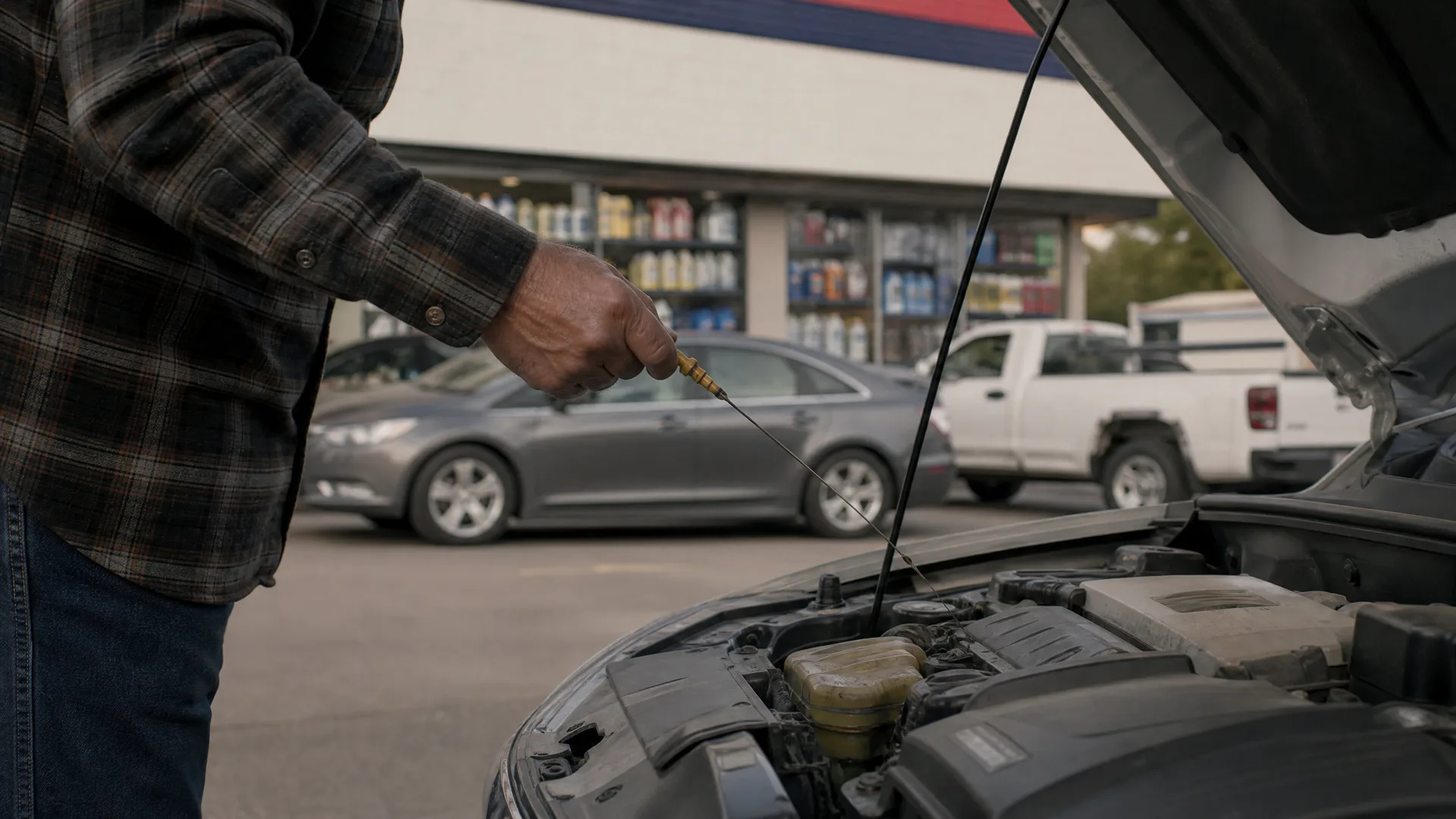
Have your car looked over before you leave, not just for the usual oil change but for things that matter more on a long trip: tire tread, brakes, battery age, and the spare. A problem that's a minor annoyance around town can strand you somewhere with no easy fix.
If you take medication, bring more than you think you'll need and keep it somewhere you can get to easily, in case the trip runs longer than planned or a pharmacy stop takes a detour.
Questions people ask about this
Do I need special insurance for a long road trip?
No special policy exists just for road trips, but it's worth confirming your regular policy covers you fully while traveling. Ask your insurer about coverage limits in other states and whether your roadside assistance has mileage or distance restrictions.
Should I tell my insurer before a long road trip?
You don't have to, but it's worth a call if your trip involves renting a car, driving a lot more miles than usual, or lending your car to someone else while you're away. Your agent can tell you if anything about the trip affects your coverage.
What should I check on my car before a long road trip?
Have a mechanic check your tires, brakes, battery, and fluids well before you leave, not the day before. Ask specifically about anything that wears down with mileage rather than age, since a long trip puts more strain on these parts than regular driving does.
How many hours a day should I plan to drive on a long trip?
There's no fixed number that works for everyone, so plan around how you feel rather than a schedule. Build in stops every couple of hours, and keep your longest driving days in the middle of the trip rather than at the start or end when fatigue matters most.
What should I bring in case of a breakdown on a long trip?
Bring your insurance card, your roadside assistance number, a phone charger that works in the car, and basic supplies like water and a flashlight. Check ahead of time whether your roadside plan covers the full distance of your route, since some plans have limits that matter more on a long trip than a short one.
Before you set out, make sure your coverage is actually built for the trip you're planning.
Call your insurer this week and ask two things: how your coverage applies outside your home state, and what your roadside assistance actually covers in terms of distance and towing. Schedule a car inspection focused on tires, brakes, and the battery, not just an oil change. If it's been a while, get your vision and hearing checked before you go. Write out a day-by-day driving plan with shorter days than you think you need, especially at the start and end of the trip. Keep your insurance card, roadside number, and agent's contact somewhere easy to reach, not buried in the glovebox.