If Your Car Breaks Down You Should Raise the Hood
Raising the hood is the accepted way to show other drivers and police that your car is disabled, and most state driver handbooks recommend it.
Yes, raise the hood if you break down
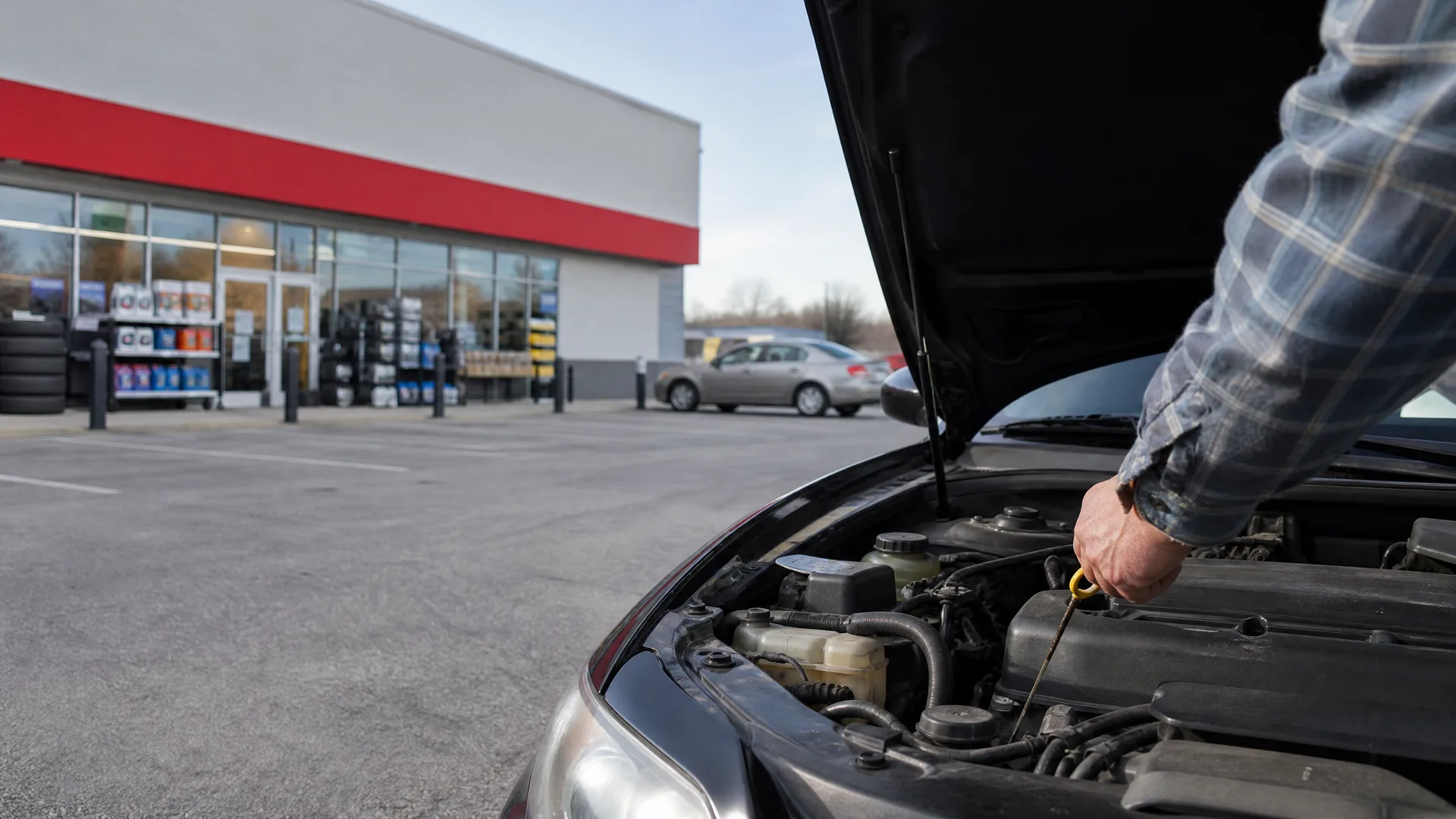
A raised hood is a universal signal that a car isn't just parked, it's broken down. Police patrols and tow operators look for it, and so do other drivers who might otherwise assume you pulled over for some other reason.
It works alongside the other steps for a roadside breakdown. Get as far onto the shoulder as you can, turn on your hazard lights, and raise the hood once you're safely stopped. None of this depends on your age or your state. It's basic roadside practice taught in driver handbooks everywhere.
Where you stop matters more than the hood itself
Raising the hood only helps if you've gotten the car somewhere safe first. A car stopped on a highway shoulder with the hood up is a clear, visible signal. A car stopped in a traffic lane is a hazard no matter what you do with the hood.
If you feel the car losing power or acting strangely, the first move is to get off the road, not to deal with the hood. Signal, slow down gradually, and aim for the widest, flattest part of the shoulder you can reach. Only once you're stopped and the car is in park should you think about the hood.
If you can't get fully off the road, stay in the car with your seatbelt on and call for help rather than stepping out into traffic to raise the hood. Visibility matters, but getting out of the car in a live traffic lane is more dangerous than staying put.
If you're on a narrow shoulder or a blind curve, some drivers are taught to set out flares or triangles instead of or alongside the raised hood. What your state recommends can vary, so it's worth checking your state's driver handbook for how it specifically instructs drivers to signal a breakdown.
Hazard lights do most of the work, the hood adds to it
Your hazard lights are what make a stopped car visible from a distance, day or night. They're the first thing to turn on, before you even think about the hood.
The raised hood matters more at close range and in daylight, when hazard lights are harder to notice. It tells someone walking up, or a police officer driving past, that this isn't a car parked by choice. Together, the lights and the hood cover both the long view and the close one.
If it's dark or hard to see, some drivers also keep a flashlight or use their phone's light near the hood so it's visible to passing cars. None of this replaces calling for roadside help. The hood gets attention, it doesn't get you towed or repaired.
Questions people ask about this
What else should I do if my car breaks down on the highway?
After you've pulled as far off the road as possible and turned on your hazards, stay inside the car with your seatbelt fastened if you're near moving traffic. Call for roadside assistance or the number your insurer gave you for towing. If you have reflective triangles or flares in the trunk, set them out behind the car once you can do so safely, well back from traffic.
Does my insurance cover towing after a breakdown?
That depends on your specific policy. Towing is usually a separate add-on, often called roadside assistance, rather than something included automatically. Check your policy documents or ask your insurer directly whether towing is covered and what the process is for getting reimbursed or dispatched.
Is it safe to stay in the car during a breakdown or should I get out?
If you're stopped somewhere traffic could reach you, staying inside with your seatbelt on is generally safer than standing outside near the road. Once you're fully off the roadway, on a wide shoulder or in a lot, it's usually fine to step out to raise the hood or set out warning triangles. Judge it by how close and fast traffic is moving past where you stopped.
What should I keep in my car in case of a breakdown?
A flashlight, reflective triangles or flares, a phone charger, and the number for your insurer's roadside assistance are the basics worth having. Jumper cables and a basic tire kit help too, if you're comfortable using them. Keep your insurance card and registration somewhere easy to reach so you're not searching for them if an officer stops to check on you.
Will raising the hood make police think something is wrong with me rather than the car?
No, a raised hood is widely understood as a breakdown signal, not a sign of anything else. Officers who patrol highways are trained to look for it and typically stop to check whether a driver needs help. It's one of the clearest ways to communicate that you're stranded rather than parked.
If a breakdown has you thinking about what your policy actually covers, it's worth seeing what other insurers offer.
Pull out your current policy this week and check whether it includes towing or roadside assistance, and if so, what number to call when you need it. If it doesn't, decide whether that's something you want to add before your next renewal. Keep a flashlight and a set of reflective triangles in your trunk so you're ready if you ever need to signal a breakdown after dark. Review your state's driver handbook section on roadside breakdowns, since the exact recommended steps can differ slightly from state to state. If you're shopping for a new policy anyway, ask each insurer directly what their roadside assistance includes and how it's billed.