Should Seniors Carry an Emergency Device in the Car
A device can help if it fits how you actually drive, and in some cases it can lower what you pay for coverage.
It depends on your driving, not your age
There's no rule that says a senior needs an emergency device in the car. The question is whether you drive alone often, whether you drive far from home, and whether you'd actually use the thing if something happened. A medical alert pendant sitting in a drawer or a roadside assistance app you never opened does nothing.
For some drivers, a device that calls for help automatically after a crash, or a roadside assistance plan, genuinely closes a gap. If you drive rural roads alone, or you have a medical condition that could leave you unable to call for help yourself, that gap is real. If you mostly drive short trips near home with people who'd notice if you didn't arrive, the gap is smaller.
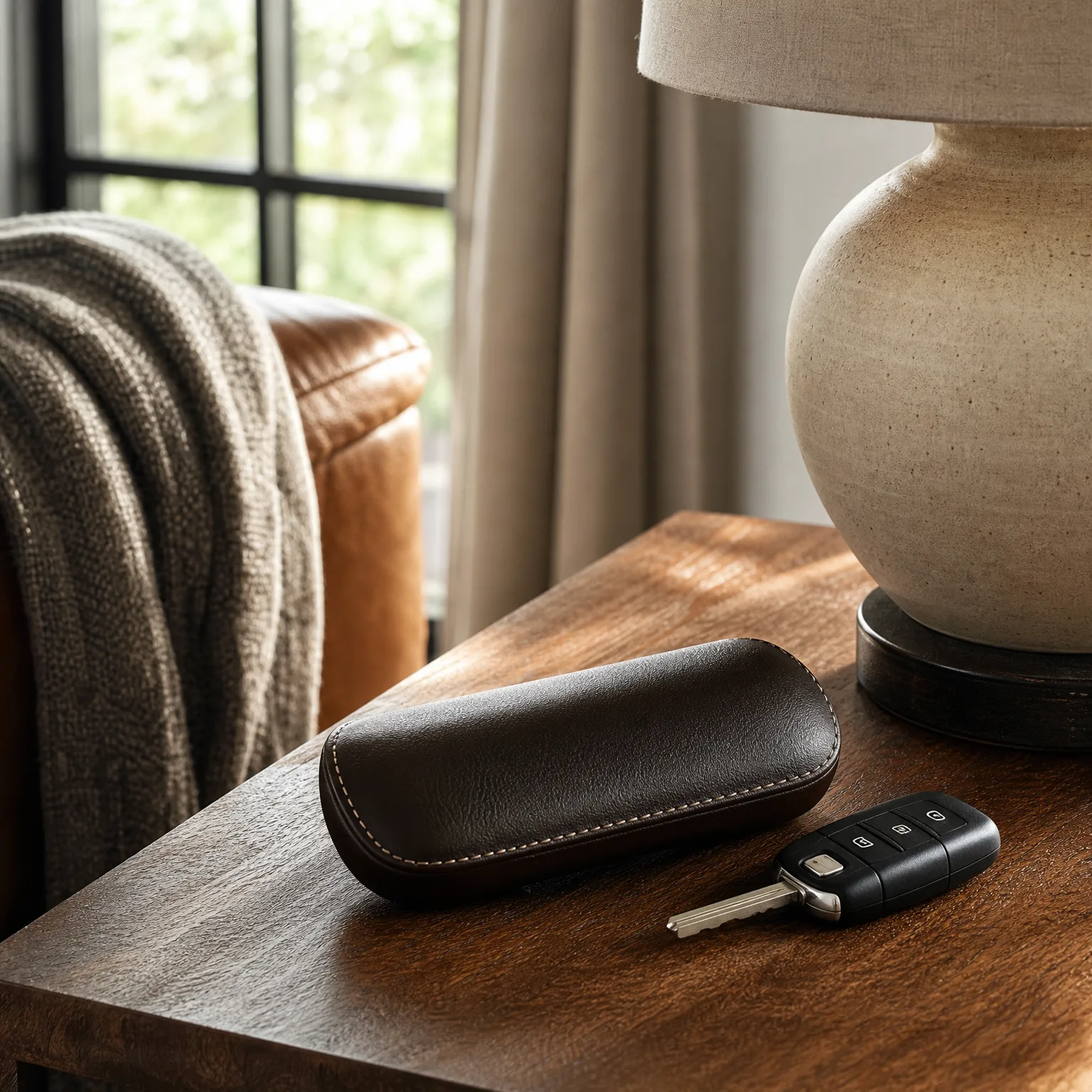
What the device actually does matters more than having one
These devices aren't all the same thing. A roadside assistance service gets you a tow or a jump start. A medical alert device with GPS calls for help if you fall or have a medical event. A crash detection feature, built into some phones and some cars now, calls emergency services if the car senses a serious impact. Each solves a different problem.
Before buying anything, think about what actually worries you. If it's being stranded with a flat tire, that's a roadside plan, not a medical alert. If it's collapsing behind the wheel with no one nearby, that's closer to a medical alert or crash detection. Buying the wrong one gives you a false sense of being covered.
Some newer cars already have a built-in system that calls for help after a crash without the driver doing anything. If your car has this, a separate device may be covering ground you already have. Check your owner's manual or ask the dealer what's already built in before paying for something that duplicates it.
How it connects to your car insurance
Some insurers offer a discount or a program credit for having certain safety features or for completing a defensive driving course, and some treat an emergency device or roadside plan as part of that. This isn't universal. It depends entirely on your insurer and your state, so the only way to know is to ask your agent directly what they count toward a discount.
Separately, many insurers already sell roadside assistance as an add-on to your policy. If you're considering a standalone emergency device mainly for roadside help, compare its cost and coverage against what your own insurer offers, since you may already have access to something similar through your policy.
A device won't lower your premium on its own just because you own it. If a discount applies, you'll likely need to tell your insurer about it yourself and may need to show proof, such as a receipt or a subscription confirmation. Don't assume it's automatic.
Questions people ask about this
Does Medicare pay for a medical alert device?
Original Medicare generally doesn't cover medical alert devices as a standalone purchase, though some Medicare Advantage plans include them as an extra benefit. Check your specific plan's benefits or call your plan directly, since this varies by insurer and by plan.
What's the difference between roadside assistance and a medical alert device?
Roadside assistance helps with the car, things like a dead battery, a flat tire, or being out of gas. A medical alert device is about you, calling for help if you're hurt or unwell. Some drivers want one, some want both, depending on what actually worries them.
Will a crash detection feature in my car replace a medical alert device?
It can cover some of the same ground, but only in a crash. Crash detection won't help if you fall at home, get locked out, or have a medical event that isn't a collision. Check what your car's system actually triggers on before assuming it replaces a separate device.
Do I need to tell my insurer I have an emergency device installed?
You should ask your insurer whether it matters to them, since some offer a discount for certain safety features and some don't count this at all. If a discount is available, your insurer will tell you what proof they need, such as a purchase receipt or an installation confirmation.
Can my family see my location if I use one of these devices?
Many medical alert and GPS-based devices let you share location with chosen contacts, but this depends on the specific device and plan you choose. Ask the provider directly what sharing features are included before you buy, since this isn't standard across every product.
Before you decide on a device, see whether your car insurance already covers part of what you're looking for.
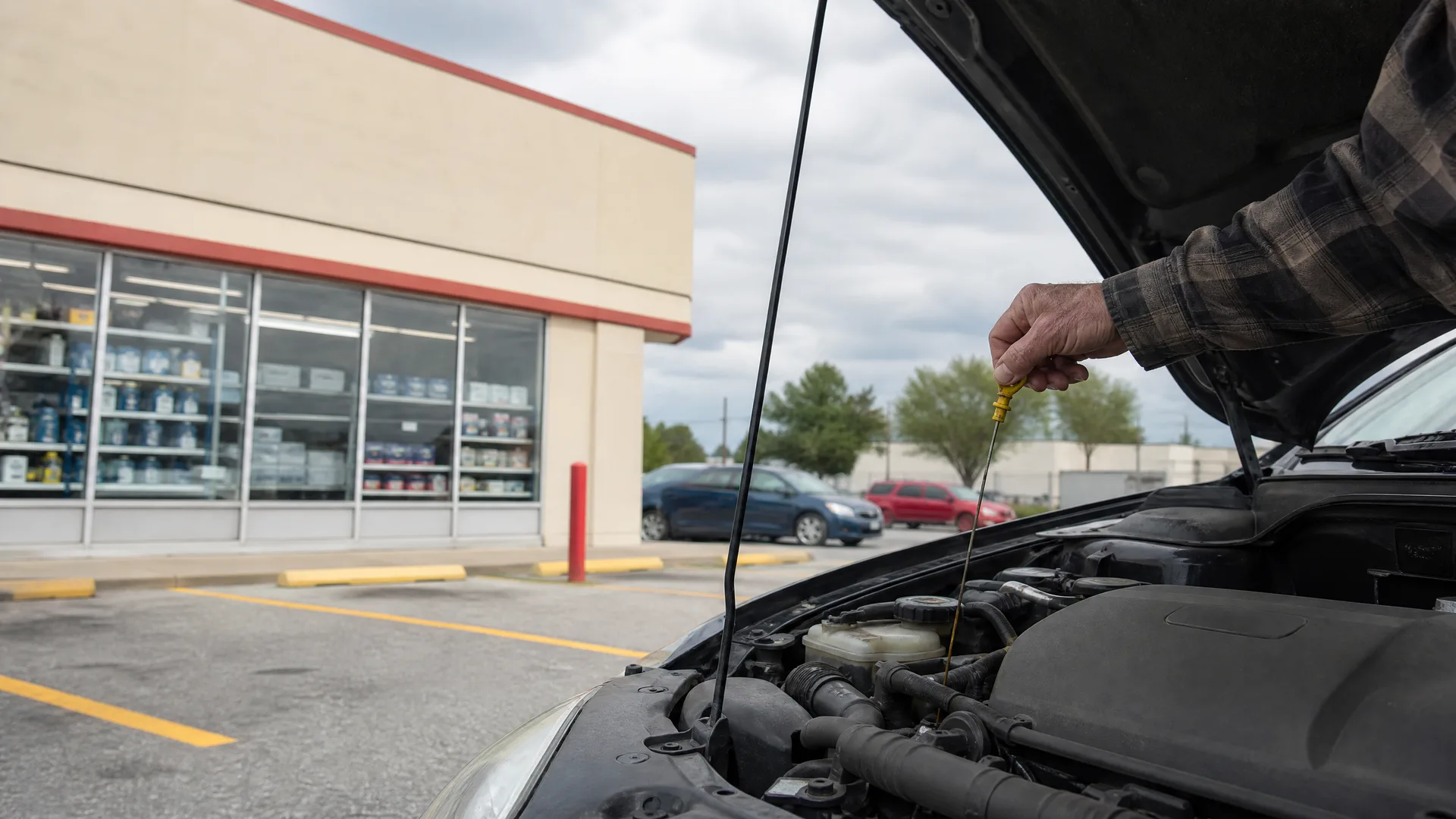
Start by writing down what actually worries you, whether it's being stranded on the road or being unable to call for help after a fall. Check your car's owner's manual for any built-in crash notification system you might already have. Call your insurer and ask two things: whether roadside assistance is already part of your policy or available as an add-on, and whether any safety device or course qualifies for a discount. If you're looking at a medical alert device, ask the provider directly what it detects, who gets notified, and what it costs monthly versus up front. Keep any paperwork or receipts, since you'll need them if you want to ask your insurer about a credit later.