Signs Your Car Battery Is Dying
A dying battery usually warns you first, through a slow start, dim lights, or a dashboard light, before it quits for good.
The main signs are a slow start, dim electronics, and a battery warning light
If your engine cranks slower than usual, if your headlights or dashboard lights look dimmer than normal, or if a battery warning light comes on, the battery is likely on its way out. Any one of these alone is worth paying attention to. Two or more together mean you should get the battery tested soon rather than wait.
Cold weather makes all of this worse and shows up the symptoms sooner, because a battery that's already weak has less power to give when it's cold. That's why batteries so often seem to die in winter, even though the real problem had been building for a while.

The battery's age changes how much these signs matter
A battery has a limited working life, and once it's past that point, any one of these signs is more likely to mean the battery itself rather than something else in the car. If you don't know how old your battery is, most shops can tell you by reading a date code stamped on the case.
An older battery that's starting slow is telling you something different than a new one doing the same thing. With an older battery, slow starts are often the battery wearing out. With a newer one, the same symptom can point to a bad alternator, a parasitic drain, or a loose connection instead.
This is why it helps to get the battery tested rather than just replaced. A test can tell you whether the battery is actually failing or whether something else in the charging system is the real cause. Replacing a battery that wasn't the problem just delays finding the actual issue.
What people mistake for a dying battery
A battery that's slow to start isn't always a battery problem. Corroded or loose terminals can cause the exact same symptom, and cleaning them sometimes fixes it without any new parts. It's worth looking at the terminals yourself before assuming the worst.
A failing alternator can also look like a dying battery, because the alternator is what keeps the battery charged while you drive. If your battery keeps dying even after a replacement, the alternator is worth checking.
Accessories left on, like interior lights or a phone charger, can drain a battery overnight and cause a slow start the next morning without the battery being at fault. If this only happens occasionally, that's a more likely explanation than the battery wearing out.
Questions people ask about this
How long does a car battery usually last?
It depends on the battery, the climate, and how the car is driven, so there's no single answer that holds everywhere. Short trips, extreme heat, and long periods of sitting unused all shorten a battery's life. A shop can check a battery's condition directly rather than relying on age alone.
Can a dying battery affect my car insurance?
A dead battery itself isn't usually a covered insurance event, since it's considered routine wear rather than an accident or a covered loss. Roadside assistance, if you have it through your insurer or a separate plan, may help if you get stranded. Check your policy or ask your insurer what roadside coverage you have.
Is it safe to jump start an old battery repeatedly?
Jump starting an old battery repeatedly isn't a long term fix, and it can be a sign the battery needs to be tested or replaced soon. Each jump start also puts strain on the electrical system, so repeated jumps are worth treating as a warning rather than a routine fix. If you're jumping the same battery more than once in a short period, get it tested.
Will a car battery warning light always mean the battery is bad?
Not always. That light can also point to a problem with the alternator, the wiring, or the charging system more generally. A shop or auto parts store can usually test both the battery and the charging system to narrow down the cause.
Does a dying battery affect other parts of the car?
A weak battery can cause problems with electronics that rely on steady power, like the radio, power windows, or onboard computer systems. In some cars it can also trigger unrelated warning lights because the electrical system isn't getting consistent voltage. If strange electrical issues show up alongside a slow start, the battery is a reasonable place to start looking.
If you're dealing with car trouble like this, it's a good time to see what else your insurance options look like.
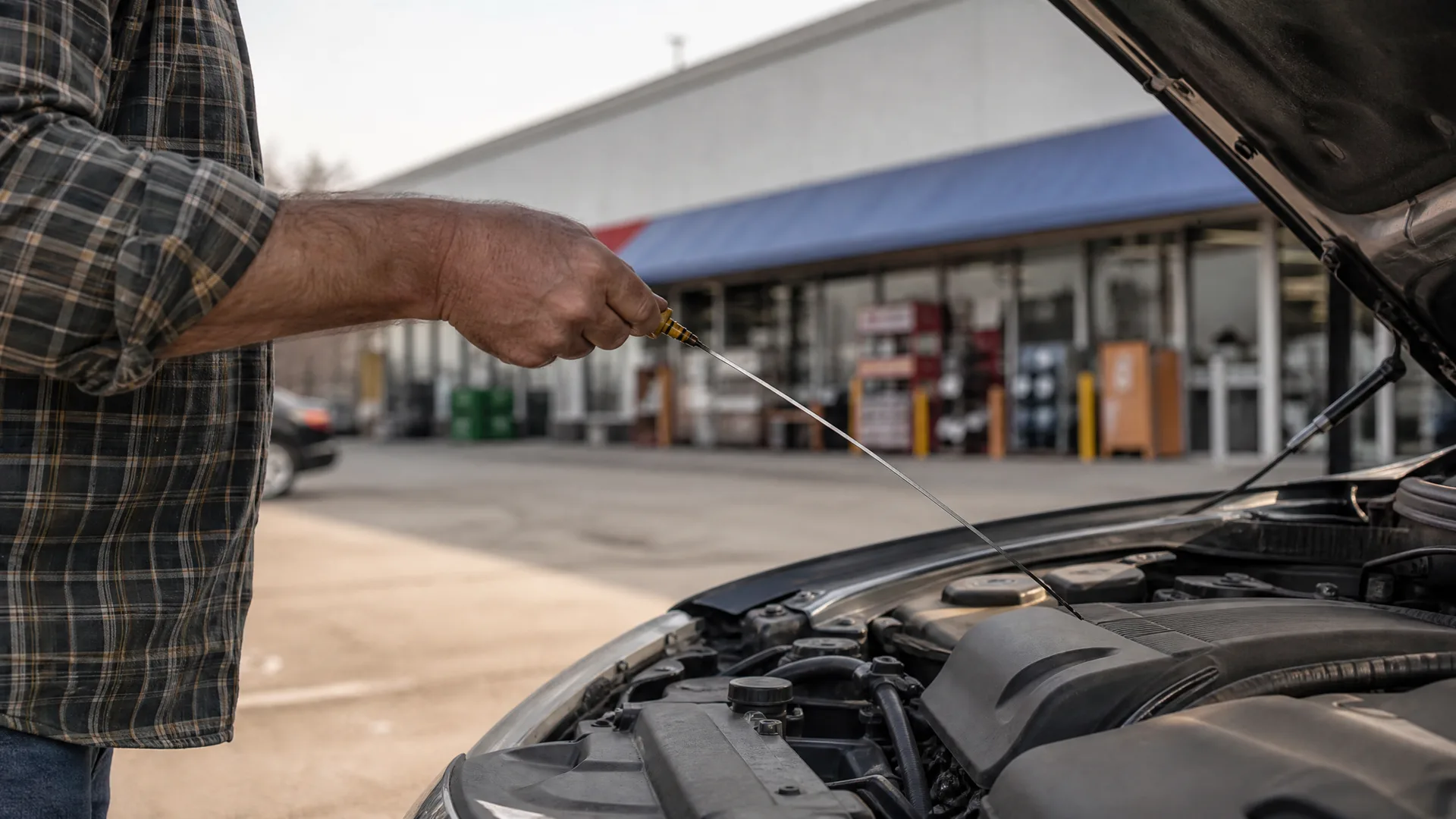
Get the battery tested at an auto parts store or shop rather than guessing from the symptoms alone, since most will test it for free. Ask them to check the charging system at the same time, not just the battery, so you know whether the alternator is part of the problem. If the battery is old, ask about its age using the date code so you know whether replacement makes sense now or can wait. Keep jumper cables or a portable jump starter in the car in the meantime, in case it dies before you get to the test. If you already have roadside assistance through your insurer, check what it covers so you know what to expect if you get stranded.