Signs Your Tires Need Replacing
Worn tread, cracked sidewalls, and a car that pulls or vibrates are the clearest signs, and catching them early matters more as you drive less and brake later.
Check the tread, the sidewalls, and how the car handles
Tires need replacing when the tread is worn down, when the rubber is cracked or bulging, or when the car vibrates, pulls to one side, or takes longer to stop than it used to. Any one of these on its own is worth a look. More than one means don't wait.
A tire doesn't have to look bald to be unsafe. Rubber hardens and cracks with age even on tires that still have tread, and a car that's driven less each year, which is common after retirement, often wears out its tires by age rather than by miles. Checking by sight and by feel matters more than checking by the odometer.
How you drive now changes what to watch for
If you're driving fewer miles than you used to, your tires are aging more than they're wearing. Tread can look fine while the rubber underneath has gone stiff and brittle. Look for fine cracks across the sidewall or in the grooves of the tread. That cracking is a sign of age, not mileage, and it won't show up on a tread gauge.
A car driven mostly on short local trips also never gets the tires fully warmed up, which can hide a slow leak or an alignment issue that would otherwise show up as uneven wear. Pay attention to whether the steering feels looser than it did, or whether the car drifts when you take your hands off slightly on a straight road.
If you or a family member checks the car for you, ask them to look at all four tires, not just the two that are easiest to see. The rear tires wear differently and get overlooked.
A tire shop will check tread depth and tell you plainly whether a tire is still safe. If a shop tells you a tire is borderline, ask what they'd do in your position before you decide.
Worn tires can matter after a claim, not just before one
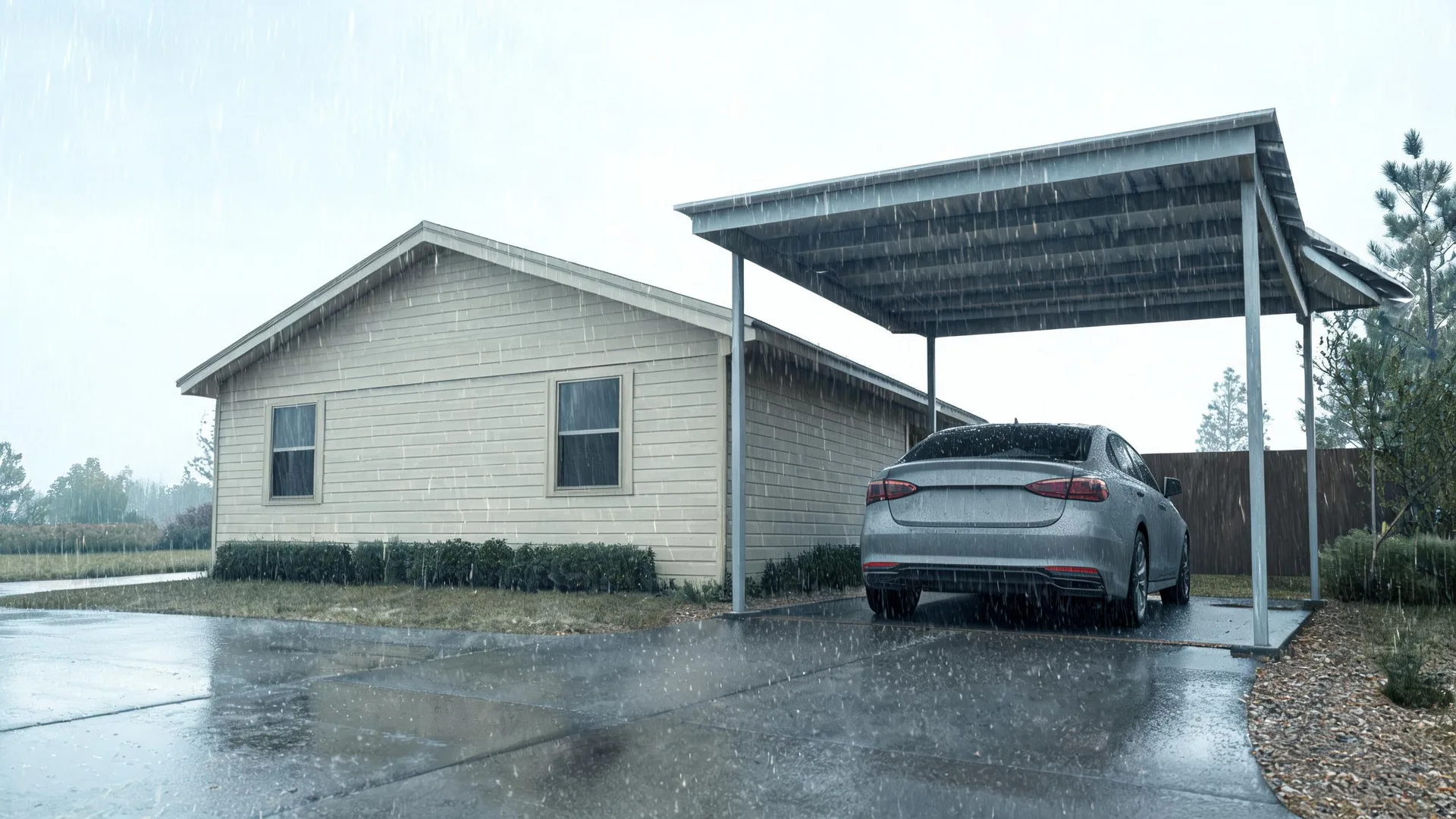
If you're ever in an accident, an insurer or an investigator may look at the condition of your tires as part of figuring out what happened. Worn tread affects stopping distance and how the car handles in rain, so it can come up if braking or control is part of the question.
This doesn't mean a worn tire voids your coverage. It means that if the tires were clearly past the point of safe use, it can become a factor in how a claim is reviewed. Keeping a receipt or record of when you last replaced your tires is a simple thing to have on hand.
Some insurers also ask about the condition of your vehicle, including tires, when you renew. If you're not sure whether that applies to your policy, ask your insurer directly what they look at.
Questions people ask about this
How do I check my tire tread depth without a gauge?
You can use a coin pushed into the tread groove to get a rough read on depth. If you can see too much of the coin, the tread is low. A tire shop can give you an exact measurement if you want to be sure.
Do tires expire even if they still have tread?
Yes, rubber ages and hardens over time regardless of how much tread is left. A tire's manufacture date is molded into the sidewall, and a shop can help you read it if you're not sure how old your tires are.
Why does my car pull to one side when braking?
This can mean uneven tire wear, a tire losing air, or an issue with the brakes or alignment. It's worth having a shop check it rather than guessing, since more than one of these can cause the same feeling.
Can worn tires affect my insurance rate?
Tire condition isn't something insurers typically rate you on directly. Where it can matter is after a claim, if worn tires are found to have contributed to an accident. Ask your insurer if you want to know what they consider.
How often should tires be replaced if I don't drive much?
There's no single answer, since it depends on the tire and how it's stored and used. A shop can look at the tread and the condition of the rubber and tell you whether age rather than mileage means it's time.
If tire condition is making you think about your coverage, it's worth seeing what else is out there.
This week, take a close look at all four tires, not just the two you can see from the driveway. Check the tread with a coin and look for cracking along the sidewalls. If anything looks uncertain, bring the car to a shop and ask them to check tread depth and tire age, not just whether it will pass inspection. Keep the receipt if you do replace them. If you're not sure how your insurer treats tire condition after a claim, call and ask them directly rather than assuming.