What Car Maintenance Do Seniors Skip Most
Tire tread, brake wear, and fluid changes are the items drivers skip most as cars age alongside their owners.
Tires, brakes, and fluids are what get skipped
The maintenance most commonly skipped is the kind that doesn't announce itself. Tire tread wears down gradually, brake pads thin out quietly, and fluids degrade without any dashboard light to flag it. None of these cause a problem on the drive to the grocery store. They show up later, often in wet weather or a sudden stop, when there's no margin left.
Part of this comes down to driving less. A car driven fewer miles each year feels newer than it is, so the owner assumes it needs less attention. The calendar matters more than the odometer for several of these items, and that's easy to miss.
How often you drive changes what wears out
A car that sits more than it used to develops its own problems. Tires lose air slowly even when parked, and a tire that looks fine can be underinflated enough to wear unevenly or fail at highway speed. Brake rotors can develop light surface rust during long stretches of non-use, and that rust doesn't always clear off on the first few stops.
Battery health is another one. A battery that used to get recharged daily by a longer commute now sits through short trips that don't fully recharge it. It can test fine in the driveway and still fail on a cold morning weeks later.
The fix isn't more driving. It's checking these things on a schedule rather than waiting for a sign of trouble, since fewer miles mean fewer natural chances to notice something is off.
What a vision or reaction change can hide
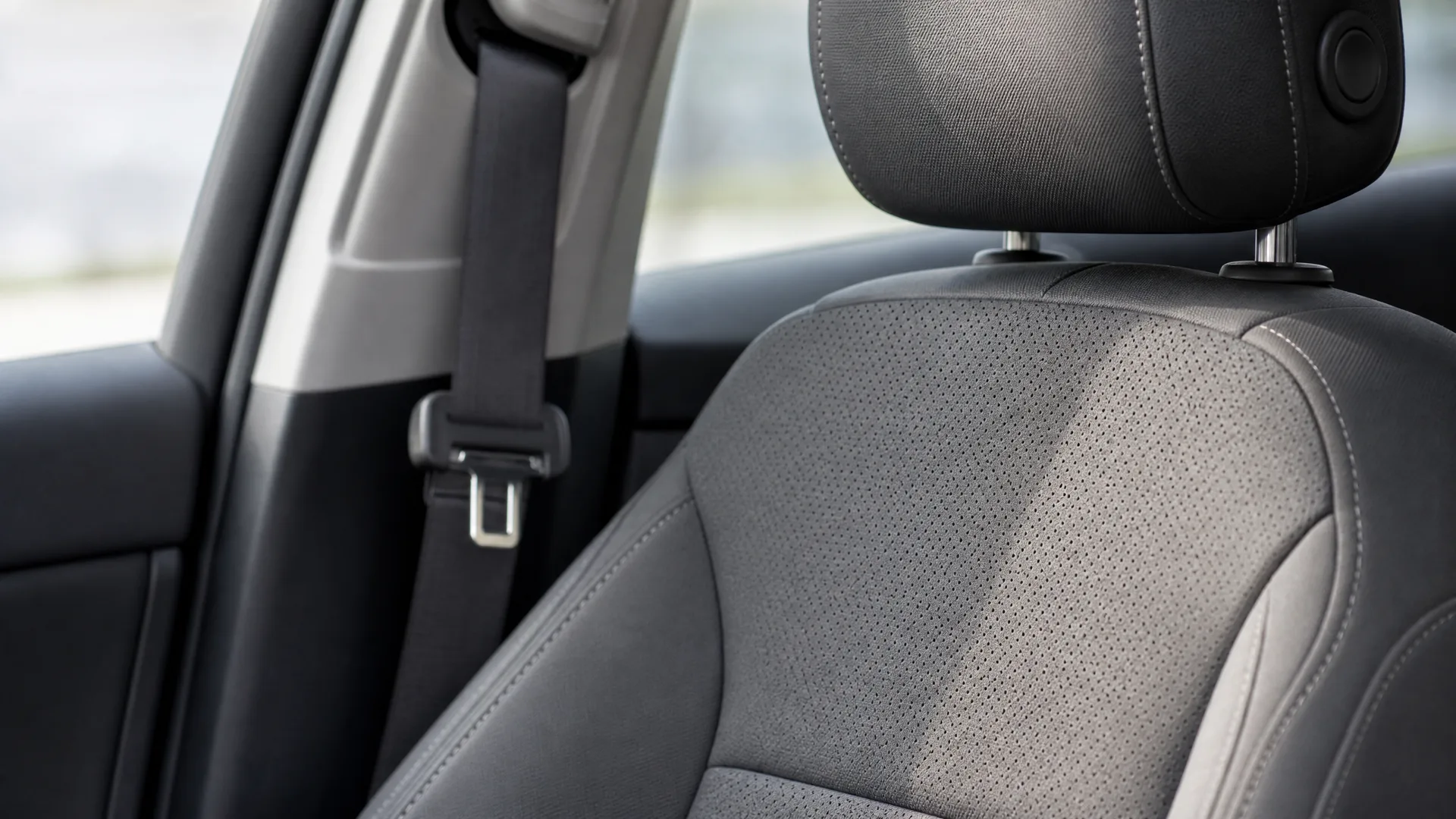
Some maintenance gets skipped because the signs that would normally prompt a repair are harder to catch. A grinding brake sound, a pull to one side, a dim headlight, these are the kinds of things a driver notices less if hearing or night vision has changed gradually. The car isn't worse. The driver's ability to catch its early warnings is.
This is also why headlight condition and wiper blades matter more than they used to. Headlights cloud over time and cut down on light output well before they look obviously bad. Wiper blades that streak are easy to tune out if someone's used to driving in daylight most of the time.
Asking a passenger, a mechanic, or an adult child to do a periodic walk-around and short test drive can catch what the regular driver might not notice day to day.
Questions people ask about this
How often should an older car be checked even if it seems fine?
A car driven fewer miles still benefits from a check on a schedule rather than by mileage alone. Tires, brakes, battery, and fluids all degrade with time, not just use. A twice-a-year inspection, independent of how many miles were driven, catches issues before they become sudden ones.
Does a car insurer check maintenance records after a claim?
This depends on the insurer and the nature of the claim. In general, insurers are more likely to look closely at maintenance when a mechanical failure, like brake or tire failure, contributed to the accident. Keeping basic receipts for tires, brakes, and oil changes is a reasonable habit regardless.
Can skipped maintenance affect a car insurance claim?
It can, depending on the circumstances and the insurer's policy language. If a claim investigation finds that a mechanical failure caused the accident and that failure traced to neglected maintenance, that can factor into how the claim is handled. Ask your insurer directly how they treat mechanical cause in a claim.
What maintenance matters most for a car driven only short distances?
Battery health and tire condition matter most for a car used mainly for short trips. Short drives don't fully recharge a battery or warm tires enough to wear evenly, so both should be checked more often than the mileage alone would suggest.
Should an older driver get a mechanic's opinion before a long road trip?
A pre-trip check with a mechanic is a reasonable step before any trip longer than routine driving, regardless of the driver's age. Ask specifically about tire tread and pressure, brake wear, and fluid levels, since these are the items most likely to have been overlooked.
See how your current coverage compares before your next renewal arrives.
Start by pulling out the maintenance receipts from the last year and see what's missing. If tires, brakes, or fluids haven't been checked in that time, schedule that first. Ask the mechanic to also look at the battery and headlights while the car is in the shop. If a family member only drives the car occasionally, have them do a quick walk-around before and after, checking for anything that looks or sounds different. Once the car is in good shape, it's also a reasonable time to check whether your current insurance still reflects how the car is actually being driven.