What Do You Keep in Your Car Just in Case
A basic emergency kit protects you on the road, and keeping good records in the glovebox can help if you ever need to file a claim.
A few supplies for the road, a few documents for your insurer
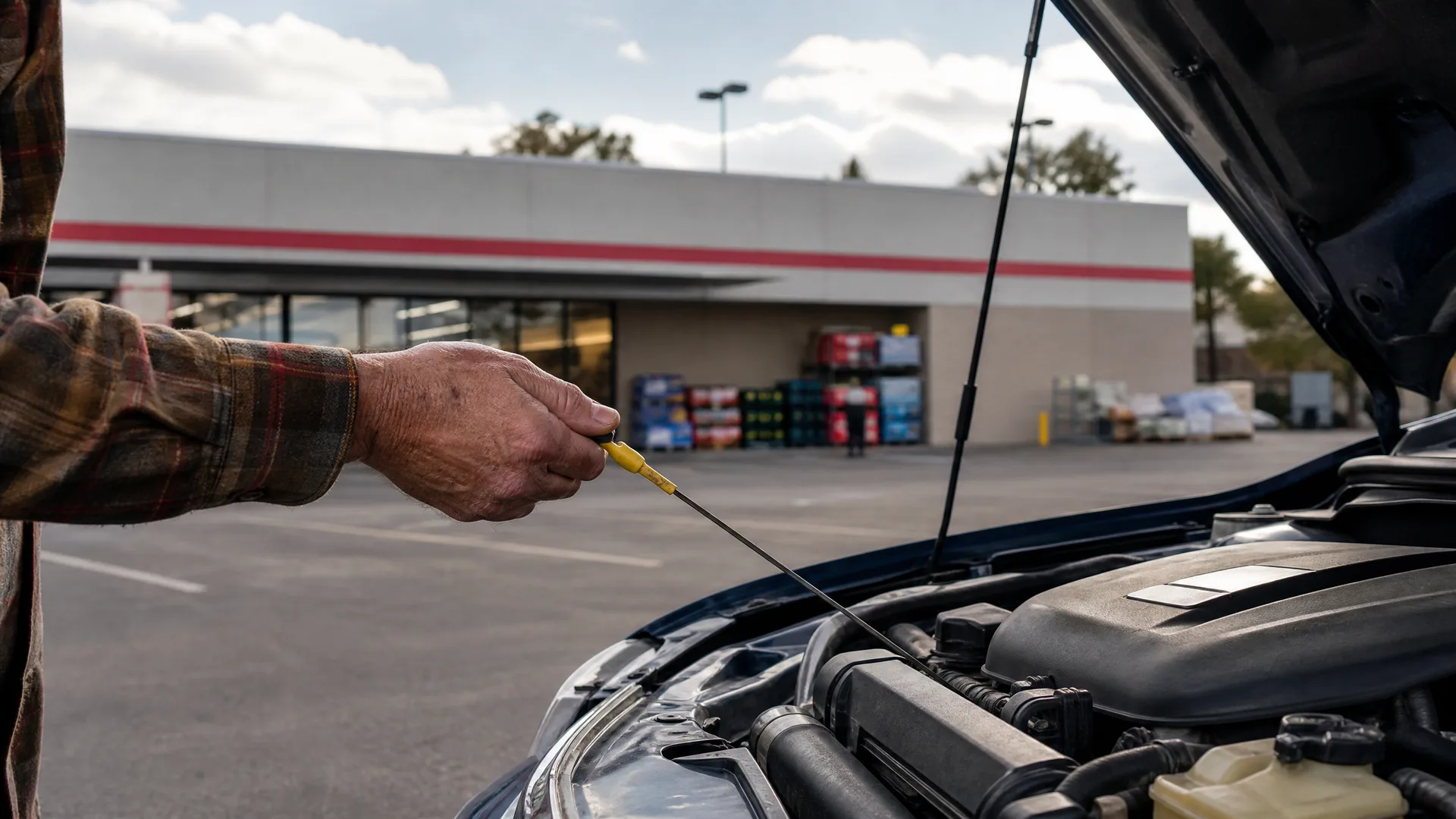
Keep a flashlight, jumper cables, a first aid kit, a phone charger, water, and a blanket in the trunk. Add any items your mechanic recommends for your specific car and climate, like sand or a snow brush if you drive somewhere cold.
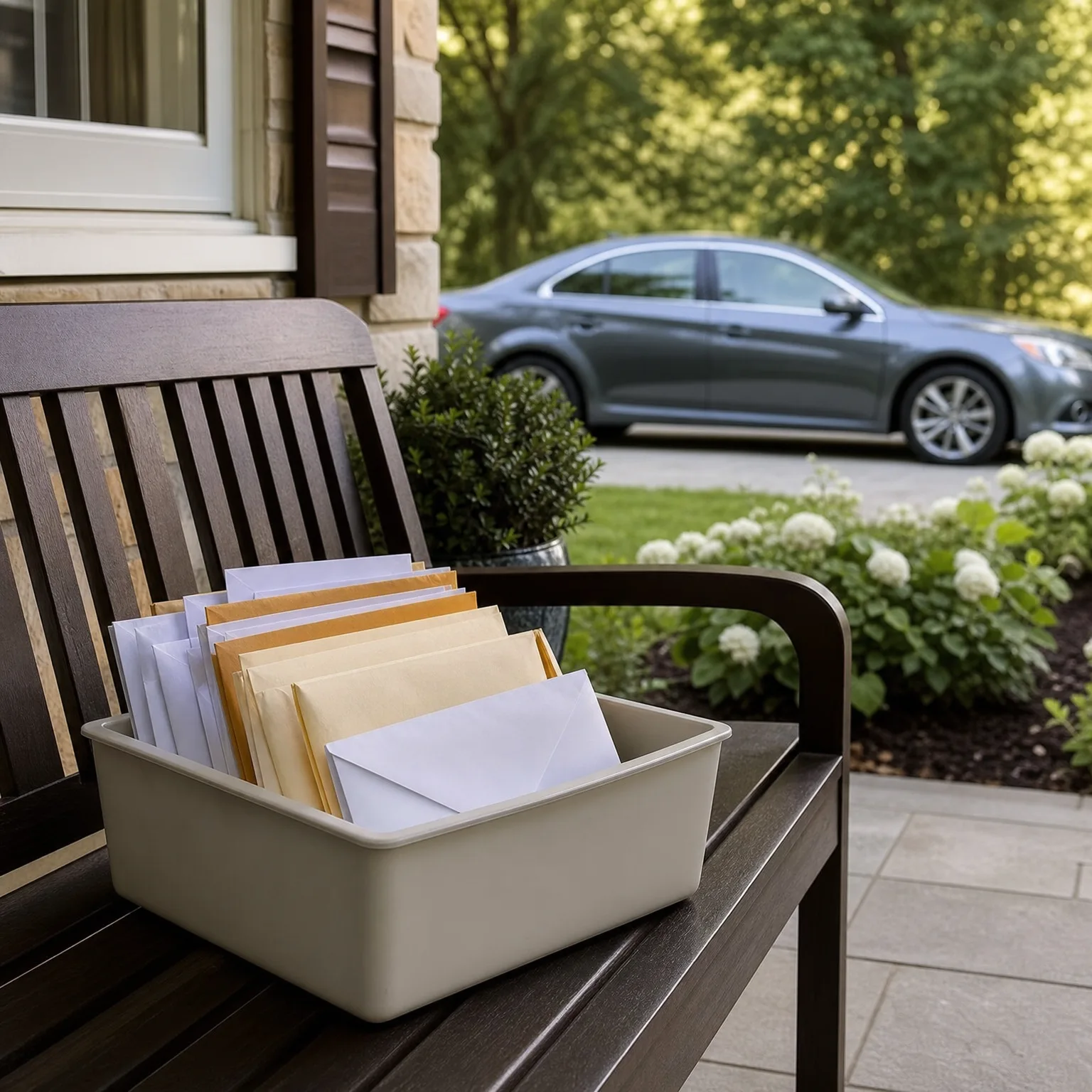
Just as important, keep your insurance card, your registration, and your agent's phone number somewhere you can find them without digging. If you're ever in an accident, having that information ready, along with a pen and paper or your phone's camera to document the scene, makes the claim easier to file and often faster to settle.
Your state decides what you're required to carry
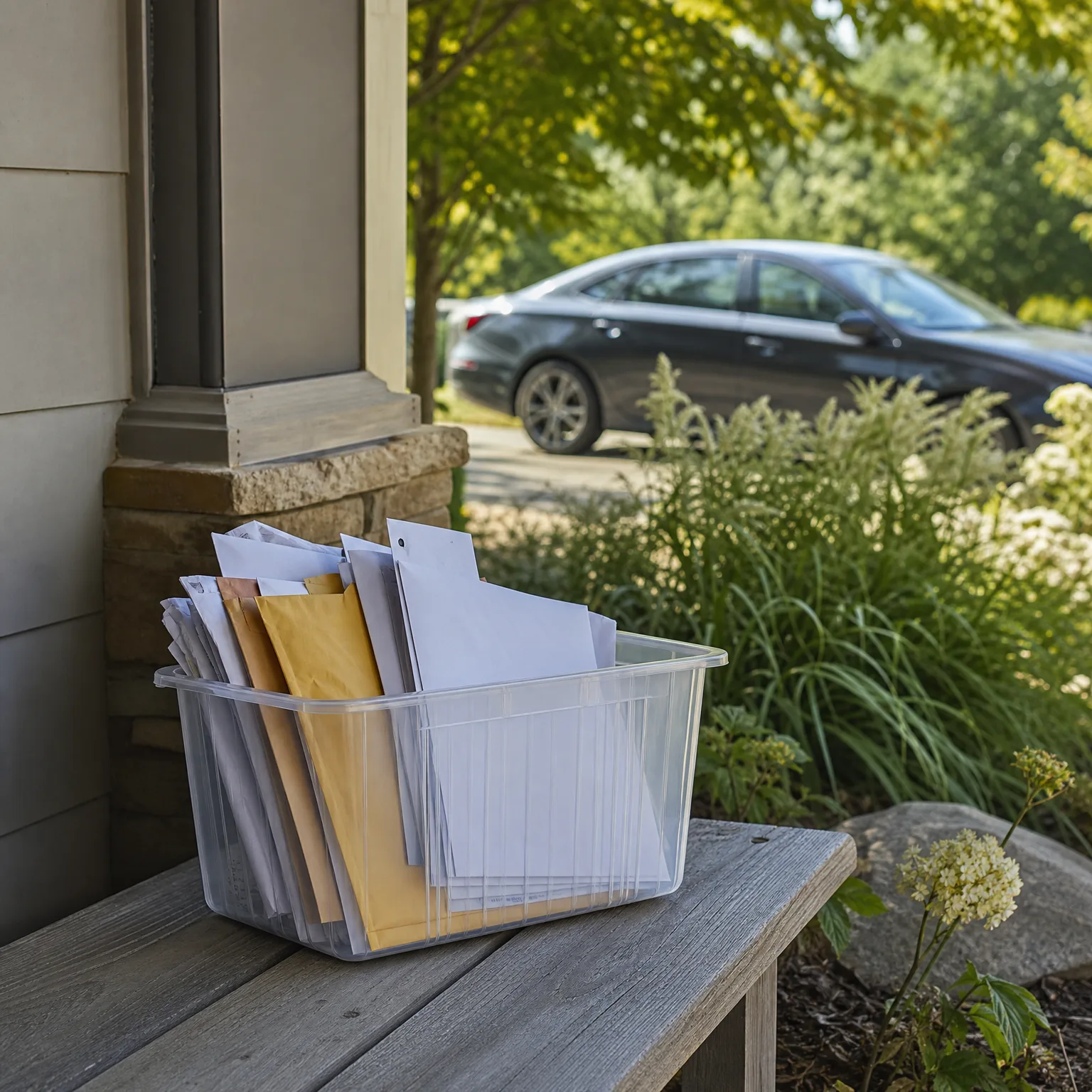
Some states require you to keep proof of insurance and registration in the vehicle at all times, and an officer can ask for both during a traffic stop. A few also require specific items like a warning triangle or flares, mostly for commercial vehicles, but check your state's requirements since they vary.
Beyond what's required, what you keep is really about what you'd want if something went wrong on a drive. A spare tire and the tools to change it matter more if you drive rural roads. A charged phone and a portable charger matter everywhere.
If you're not sure what your state requires you to carry, your state's DMV website or your insurance agent can tell you. It's worth checking once rather than guessing.
What people forget until they need it
Most people stock the flashlight and the first aid kit, then forget the paperwork that actually helps after a crash. A clear photo of your insurance card on your phone is useless if the battery is dead, so a paper copy in the glovebox is worth keeping alongside it.
It also helps to know your policy basics before anything happens. Know what your deductible is, whether you have roadside assistance through your insurer, and what number to call if you need a tow. Looking all of this up for the first time after an accident is harder than it needs to be.
If you take medication regularly, keep a small backup supply in the car along with a list of your prescriptions. It's a small thing that matters if you're ever stranded longer than expected.
Questions people ask about this
Do I need to carry my insurance card or is a phone photo enough?
A paper copy is safer because it works even if your phone is dead or damaged. Many states accept digital proof of insurance, but check with your state's DMV since this isn't universal. Keeping both in the car is the simplest way to avoid the problem entirely.
What should I do if I'm in an accident and don't have my insurance card?
Call your insurer or agent directly, since they can confirm your coverage over the phone without the physical card. Most insurers can also text or email you a digital copy on the spot. Still, exchange information with the other driver and file a police report if needed, since the card itself isn't what settles a claim.
Does roadside assistance come with my car insurance or do I need to add it?
It depends on your insurer and your specific policy, since roadside assistance is often an optional add-on rather than something included automatically. Check your policy documents or ask your agent whether you already have it. If you don't, ask what it would cost to add, since prices and coverage details vary by insurer.
Should I keep a list of my medications in the car in case of an emergency?
It's a reasonable thing to have, especially if you take medication regularly or have a condition that emergency responders should know about. Keep it with your insurance and registration papers so it's easy to find. Update it whenever your prescriptions change.
What documents do I actually need to file a car insurance claim?
You'll need your policy number, the date and details of the incident, and information about anyone else involved, including their insurance details if there was another driver. Photos of the damage and the scene help too. Your insurer can tell you exactly what they need when you call to start the claim.
If your coverage or roadside assistance hasn't been reviewed in a while, it's worth seeing what else is out there.

This week, put together a small folder or envelope with your insurance card, registration, and your agent's contact information, and keep it in the glovebox. Check your trunk for a flashlight, jumper cables, and a first aid kit, and replace anything that's expired or missing. Call your insurer or check your policy documents to confirm whether you have roadside assistance and what number to call if you need it. If you take regular medication, add a small backup supply and a written list to your car kit. Once it's all in place, you'll have it ready rather than needing to assemble it during an actual emergency.