What to Do if You Get a Flat Tire While Driving
Ease off the gas, steer straight, and get well off the road before you stop to deal with the tire.
Slow down gradually and pull off as far from traffic as you can
Don't brake hard. A flat pulls the car toward that side, and sudden braking makes it harder to control. Take your foot off the gas, hold the wheel steady, and let the car slow on its own before you touch the brake lightly.
Head for the widest, flattest shoulder you can reach, a parking lot, or an exit ramp rather than stopping in a lane or right at the edge of fast traffic. Once you're stopped, turn on your hazard lights so other drivers see you before they're close.
Where you stop matters more than how fast you fix it
A flat on a quiet side street is a different situation than one on a highway shoulder. If you're on a highway, try to get past the shoulder entirely if there's a turnoff, a wide spot, or an exit within reach. Standing next to a car on a narrow shoulder with traffic a few feet away is one of the riskier places to be, more so than driving a short distance further on a flat tire.
If you can't get clear of traffic, stay inside the car with your seatbelt on and call for help rather than getting out to change the tire yourself. A car can be replaced. Get out on the traffic side only if there's no other way, and only after checking it's safe.
If you're somewhere low-traffic and well lit, changing the tire yourself is reasonable if you have a spare and know how. If it's dark, raining, or you're on an incline, waiting for roadside help is the safer call even if it takes longer.
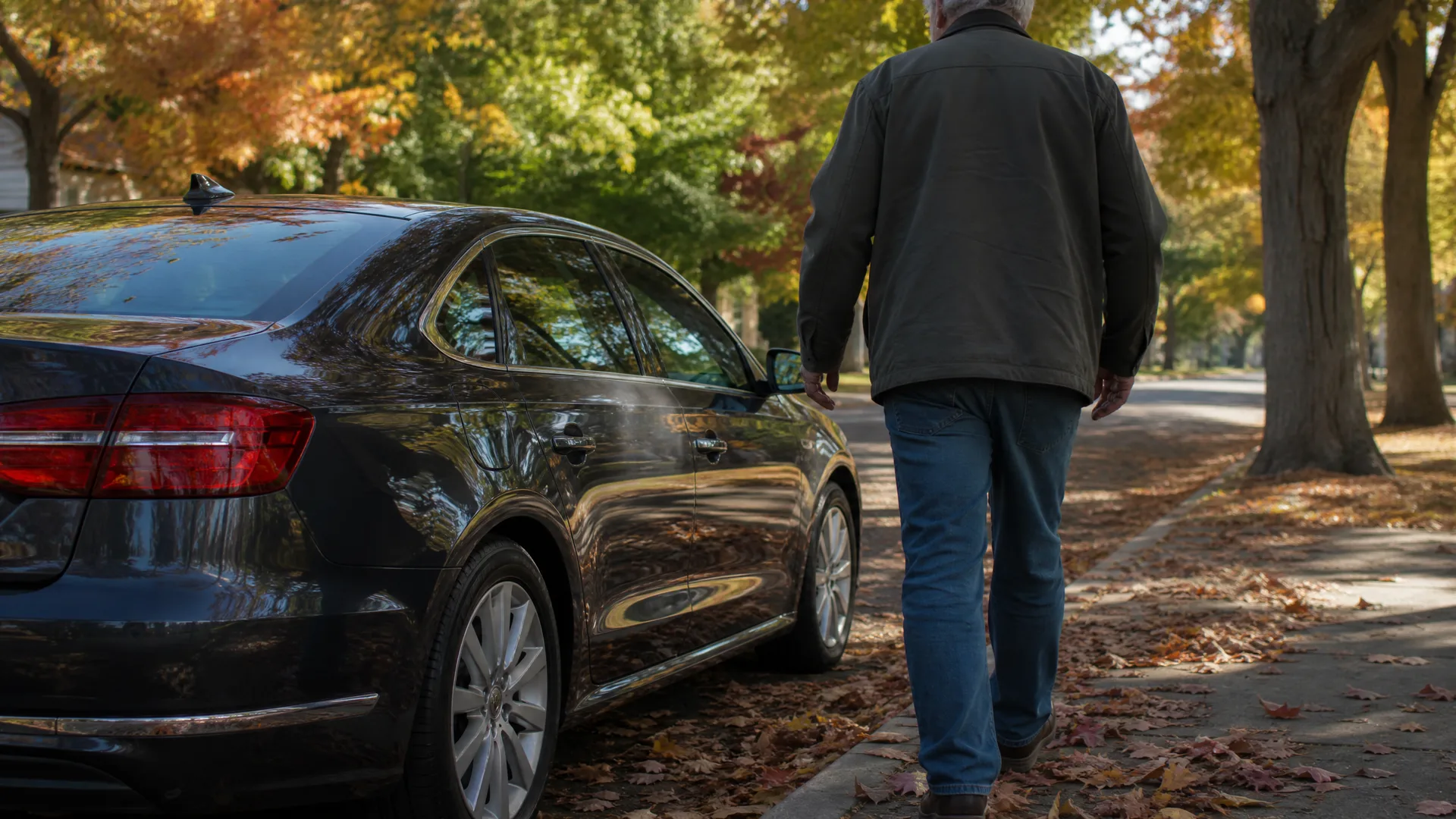
Know whether you're set up to change it yourself
Some cars carry a full spare, some carry a space-saver that's only meant to get you to a shop, and newer cars sometimes carry no spare at all, just a repair kit or run-flat tires. Check your trunk or owner's manual before you need to know this, not after.
If you do have a spare and the jack and lug wrench that go with it, changing a tire is a straightforward job on level ground. If you're missing any of that, or the tire shredded badly enough that the wheel itself might be damaged, a tow is the better move rather than risking a bad repair.
If your car has roadside assistance through your insurer, a dealer, or a membership program, that's often the easiest path. Call them, give your location, and let them send someone rather than working it out alone on the shoulder.
Questions people ask about this
Can I drive on a flat tire to get to a safer spot?
Driving a short distance on a flat to reach a safer spot is generally better than stopping in a dangerous lane, but go slowly and expect the tire or wheel to be damaged afterward. The faster and farther you drive on it, the more likely you'll also damage the rim, which turns a tire repair into a bigger repair.
Will a flat tire affect my car insurance?
A flat tire by itself usually isn't something you'd file a claim for, since tire wear and road damage are generally treated as a maintenance cost rather than a covered loss. If the flat caused an accident or other damage, check with your insurer about what your policy covers in that situation.
Do I need to report a flat tire to my insurance company?
You don't need to report a flat tire on its own. If changing it or the flat itself led to a collision, damage to the car, or an injury, that's worth calling your insurer about to find out whether it affects your coverage or your record.
How do I know if my car has a spare tire or a repair kit instead?
Check your trunk, the floor under the trunk liner, or your owner's manual, since this varies by make and model and isn't something to assume. If your car only has a repair kit or run-flat tires, a tow or roadside assistance call is often your only option for a tire that's badly damaged.
Is it safe to change a tire on the highway shoulder?
It can be, but only if the shoulder is wide, you're well off the traffic lane, and visibility is good. If the shoulder is narrow or traffic is moving fast and close, staying in the car with your hazards on and calling for help is the safer choice.
If a flat tire has you thinking about what your policy actually covers, it's worth seeing what other insurers offer.
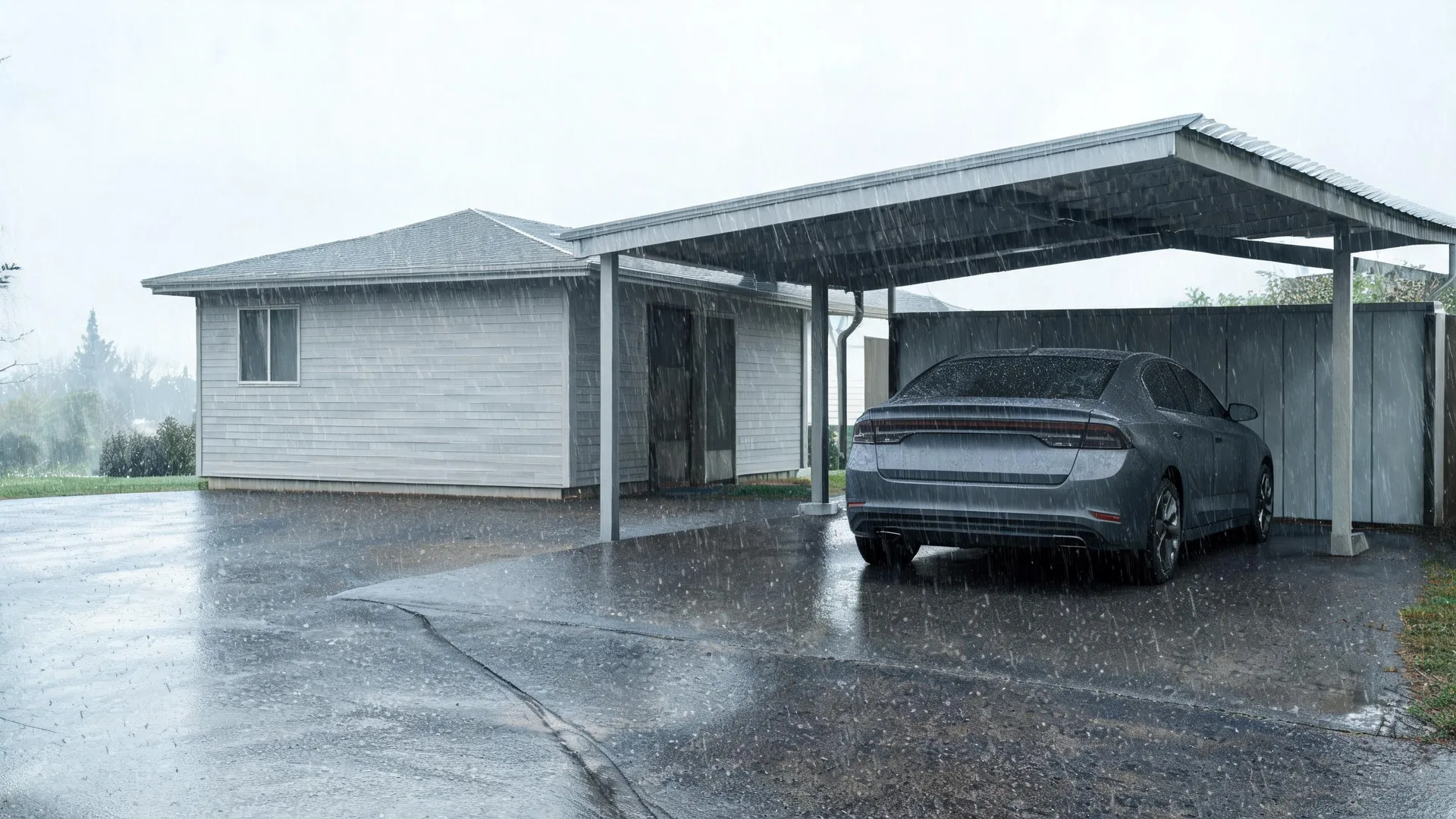
Check your trunk this week to confirm whether you have a full spare, a space-saver, or just a repair kit, so you're not finding out on the side of the road. Keep a flashlight and your insurer's or roadside assistance number somewhere easy to find in the car. If you're ever unsure whether it's safe to change a tire where you've stopped, stay buckled in and call for help instead. And if a flat ever leads to an accident or damage beyond the tire, call your insurer to ask how it affects your policy before assuming anything.