What to Do When Your Car Dies While Driving
Get the car off the road, turn on your hazards, and get everyone away from traffic before you worry about what went wrong.
Steer to the shoulder and get out on the safe side
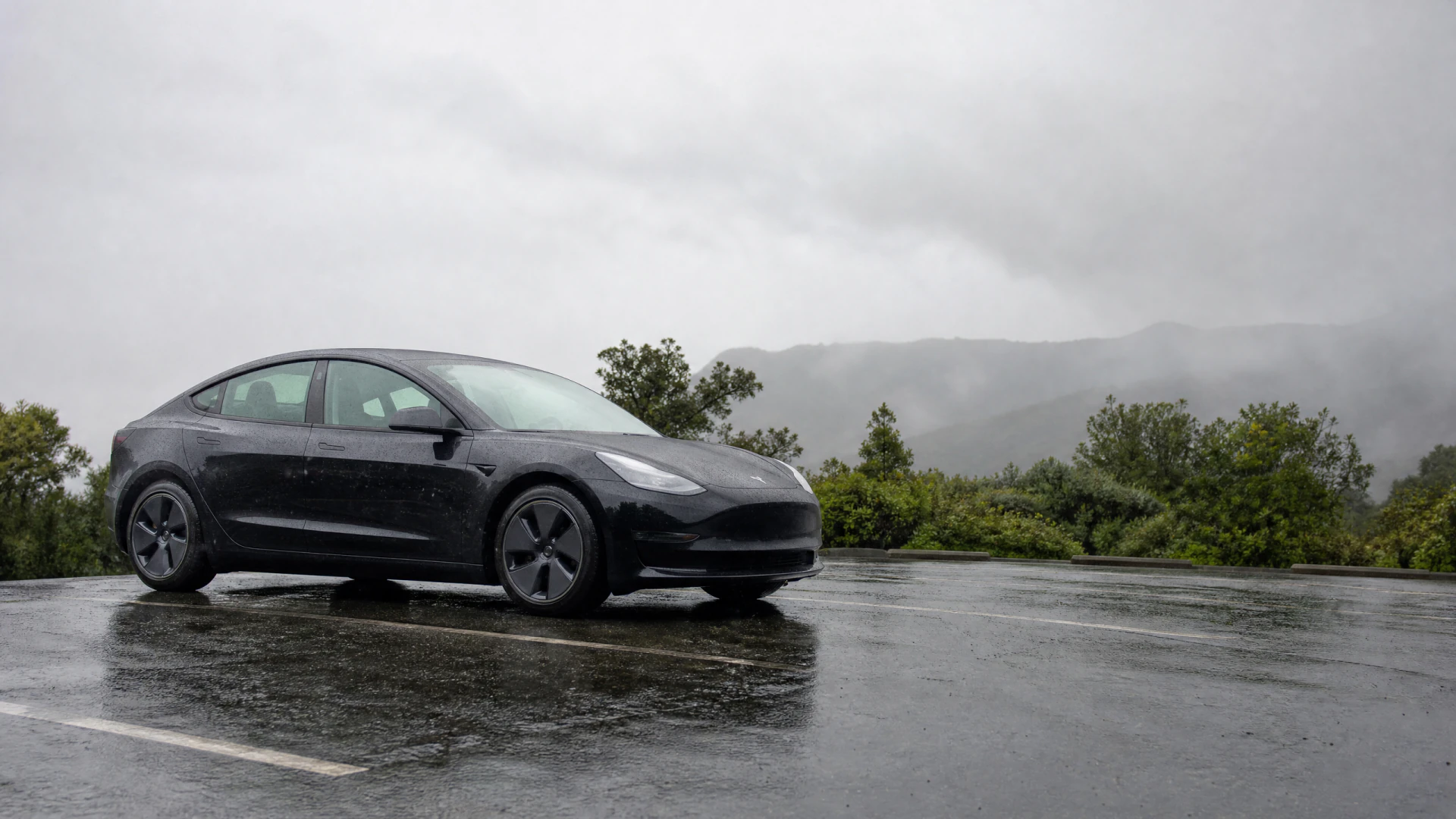
If your car loses power while you're driving, don't panic about the engine. Your first job is to get the car out of the lane of traffic. Take your foot off the gas, turn on your hazard lights right away, and steer toward the shoulder or the nearest safe spot. A car that's lost its engine can usually still coast and still steer, even if the power steering feels heavier than normal.
Once you're stopped, stay in the car with your seatbelt on if you're still in a travel lane and traffic is close, until you can move safely. If you're clear of traffic, get out on the side away from the road and move everyone away from the car. Call for roadside help or a tow once you and your passengers are somewhere safe.
Where the car dies changes what you should do first
A car that dies on a quiet residential street is a different situation than one that dies on a highway or in the middle lane of a busy road. On a highway, your priority is reaching the shoulder, even if that means coasting past an exit you'd rather take. Don't try to restart the engine while you're still moving through traffic.
If you're stuck in a travel lane and can't move the car at all, your hazards and your own safety come first. Leave the car and get behind a guardrail or well off the roadway rather than standing next to it, especially on a highway. A stopped car in a lane is hard for other drivers to see in time.
Once you're safely off the road, set up whatever warning devices you have, like flares or reflective triangles, far enough behind the car to give other drivers time to react. If you don't have any, raising the hood and keeping your hazards on is the next best signal that something is wrong.
What happens after that depends on where you are. A dead battery on a side street might mean a jump start gets you moving again. A transmission or engine failure on a highway means you're waiting for a tow no matter what.
What caused it changes what happens next
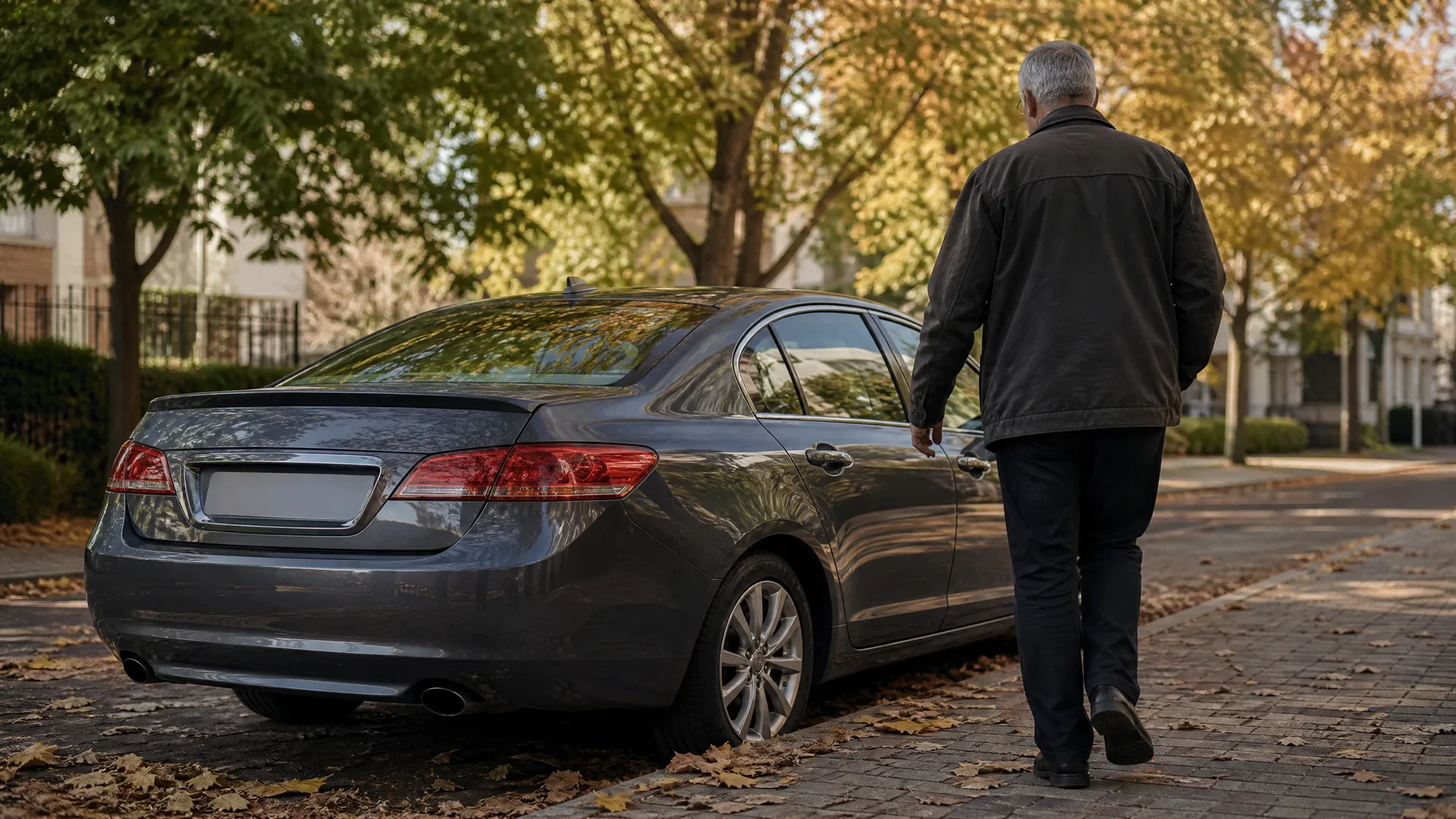
Running out of gas, a dead battery, and a blown engine all look similar from the driver's seat, the car just stops responding, but they lead to very different next steps. If you have roadside assistance through your insurer or a separate plan, this is when you call them and tell them exactly what happened and where you are.
If the car can be restarted after a jump or a splash of gas, you'll likely be back on the road the same day. If it needs a tow, ask the tow operator or your mechanic for a clear diagnosis before you authorize repairs, especially if the breakdown happened somewhere unfamiliar.
Keep a record of what happened, when, and what any mechanic tells you about the cause. If this breakdown turns into an insurance claim, for example because you were hit while pulled over, or the car was damaged coasting to the shoulder, that record will help you explain the sequence of events accurately.
Questions people ask about this
Is it safe to stay in my car if it breaks down on the highway?
It depends on whether you can get fully onto the shoulder. If you're clear of traffic, staying inside with your seatbelt on is often safer than standing near the road. If you're still partly in a travel lane, getting out and moving well away from the car, behind a barrier if there is one, is usually the safer choice.
Does a breakdown affect my car insurance rate?
A simple mechanical breakdown with no accident and no claim typically doesn't affect your rate on its own. It's a separate issue from a collision. If the breakdown leads to a claim, for example because another car hit yours while you were stopped, ask your insurer how that specific claim is handled.
Should I call my insurance company or a tow truck first?
Check what your policy covers before you call anyone, since some insurers handle roadside help directly and others want you to arrange your own tow and submit a claim. If you're not sure, your insurance card or policy documents usually list a roadside assistance number to call first.
What should I keep in my car in case it breaks down again?
A phone charger, a flashlight, reflective triangles or flares, and your insurance and roadside assistance information are the basics worth keeping. Having your insurer's contact information somewhere other than your phone is worth doing in case your phone dies too.
Will roadside assistance tow my car for free?
That depends entirely on your specific plan, whether it's through your insurer, a separate membership, or your car's manufacturer. Check your plan's documents or call the number on your card to ask what's covered before you agree to a tow.
If this is making you rethink your roadside coverage, see what other insurers offer before your next renewal.
Once you and the car are somewhere safe, find your insurance card or app and check what roadside assistance you actually have before you call a tow truck on your own. Write down the time, location, and what the car was doing right before it died, since a mechanic or your insurer may ask. If a tow is involved, get the name of the company and where they're taking the car. After the car is repaired, ask the mechanic to put the cause of the breakdown in writing, in case you need it later for an insurance question or a warranty claim.