Winter Car Kit for Older Drivers
A good winter kit for an older driver covers the basics plus a few things that matter more once getting out of the car or walking for help gets harder.
Yes, but the list is shorter than most articles make it sound
A winter car kit for an older driver needs the same core items any driver needs: a blanket, a flashlight, a phone charger, warm clothes, sand or kitty litter for traction, water, and some shelf-stable food. None of that changes with age.
What changes is the reason behind a few additions. If getting in and out of the car is harder than it used to be, or standing outside in the cold for any length of time is risky, the kit should be built around not having to do those things, not around toughing it out until help comes.
How long you could realistically wait for help changes what you pack
If a driver is still comfortable changing a tire or walking to a call box, a basic kit is enough. The calculation shifts for a driver who can't do either of those things safely in the cold.
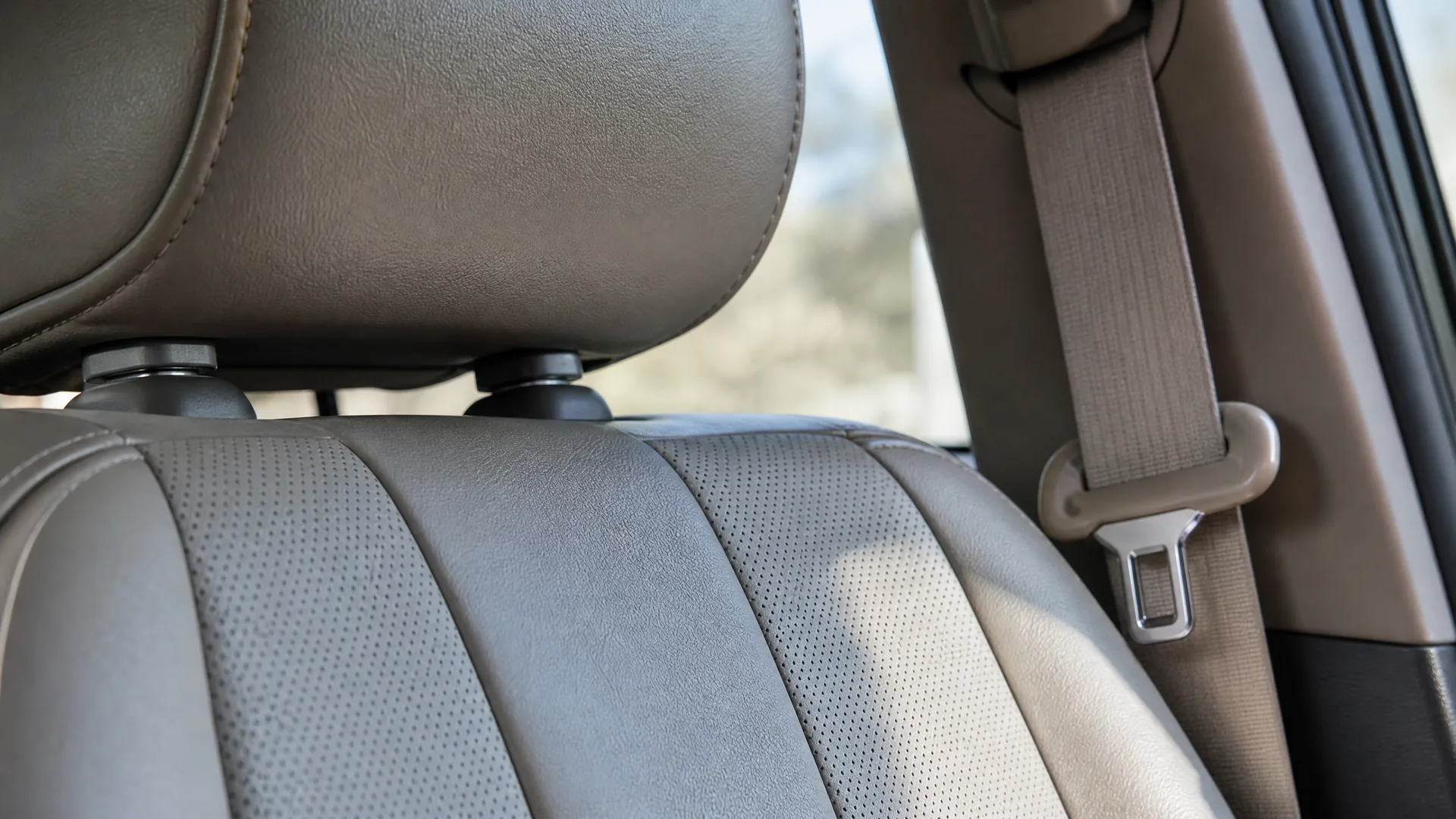
That's the case for packing more warmth than seems necessary. Extra blankets, hand warmers, and a coat left in the car rather than worn, since a coat worn while driving can interfere with a seatbelt fitting properly. The goal is staying warm inside the car for longer than expected, not getting out to fix the problem.
A charged phone and a car charger matter more here too. Waiting on hold with roadside assistance or a towing company takes longer in bad weather, when everyone else is calling for the same reason. A portable battery pack is worth having alongside the car charger, since idling the engine to charge a phone isn't always something a stranded driver should do.
It's also worth telling someone the route and rough timing before a longer winter drive. That's not specific to older drivers, but it matters more when getting out to flag someone down isn't a good option.
Medication and mobility matter more than most kit checklists mention
Standard winter kit lists are written for a general driver and skip two things that matter for a lot of older drivers specifically. The first is medication. Anyone on a regular prescription should keep an extra day's dose in the car, kept somewhere it won't freeze, in case a short trip turns into a long wait.
The second is a way to get out of the car without stepping onto ice if the shoulder or roadside is slick. A pair of sturdy winter boots kept in the car, rather than whatever shoes were worn that day, makes a real difference if a stop isn't planned. Traction cleats that slip over shoes are worth keeping in the glovebox for the same reason.
A whistle or something loud and simple is also worth having. If hearing or vision makes it harder to signal another driver or a passerby in low light, something that doesn't depend on being seen helps.
Questions people ask about this
Should I keep extra reading glasses in my winter car kit?
Yes, if glasses are needed for driving or reading a phone screen. A spare pair kept in the glovebox costs nothing to store and solves a real problem if the ones being worn are lost, broken, or fogged in cold weather.
Is it safe to run the car heater while stuck in snow?
This depends on making sure the exhaust pipe is clear of snow first, since a blocked tailpipe can let carbon monoxide back into the car. Check the exhaust before running the engine, and run it only in short stretches rather than continuously.
What winter car kit items help if I have arthritis or limited grip strength?
Look for items that don't require fine motor control in the cold, such as a flashlight with a large button rather than a small switch, and gloves rated for touchscreens so a phone can be used without removing them. An ice scraper with a long handle also reduces the bending and gripping a short one requires.
Does my car insurance cover a tow if I break down in winter weather?
That depends on the policy. Some policies include roadside assistance and towing, others don't, and it's worth checking before winter rather than after a breakdown. The insurer or the policy declarations page will say whether it's included.
Should I tell someone my route before a winter drive if I live alone?
It's a reasonable precaution for any driver, and more so for someone who would otherwise have no one aware they're overdue. A text with the route and expected arrival time takes a minute and gives someone a reason to check in if the driver doesn't arrive.
If a winter breakdown is a real worry, it's worth checking whether your current policy includes roadside help at all.
Before the next cold stretch, pull together a kit that includes a blanket, a flashlight, a phone charger or battery pack, sturdy boots, traction cleats, sand or kitty litter, water, shelf-stable food, and a spare day of any regular medication. Check your policy's declarations page or call your insurer to find out whether roadside assistance and towing are included, since that changes how long you might realistically wait for help. If you live alone, get in the habit of telling someone your route and rough timing before longer winter drives. Keep a spare pair of glasses in the glovebox if you need them to drive. None of this requires buying anything expensive, just putting a few specific things in the car before the first hard freeze rather than after.