Car Broke Down While Driving
A breakdown is not a claim unless it caused damage or a tow you want paid for, and it won't raise your rate on its own.
A mechanical breakdown usually isn't an insurance event
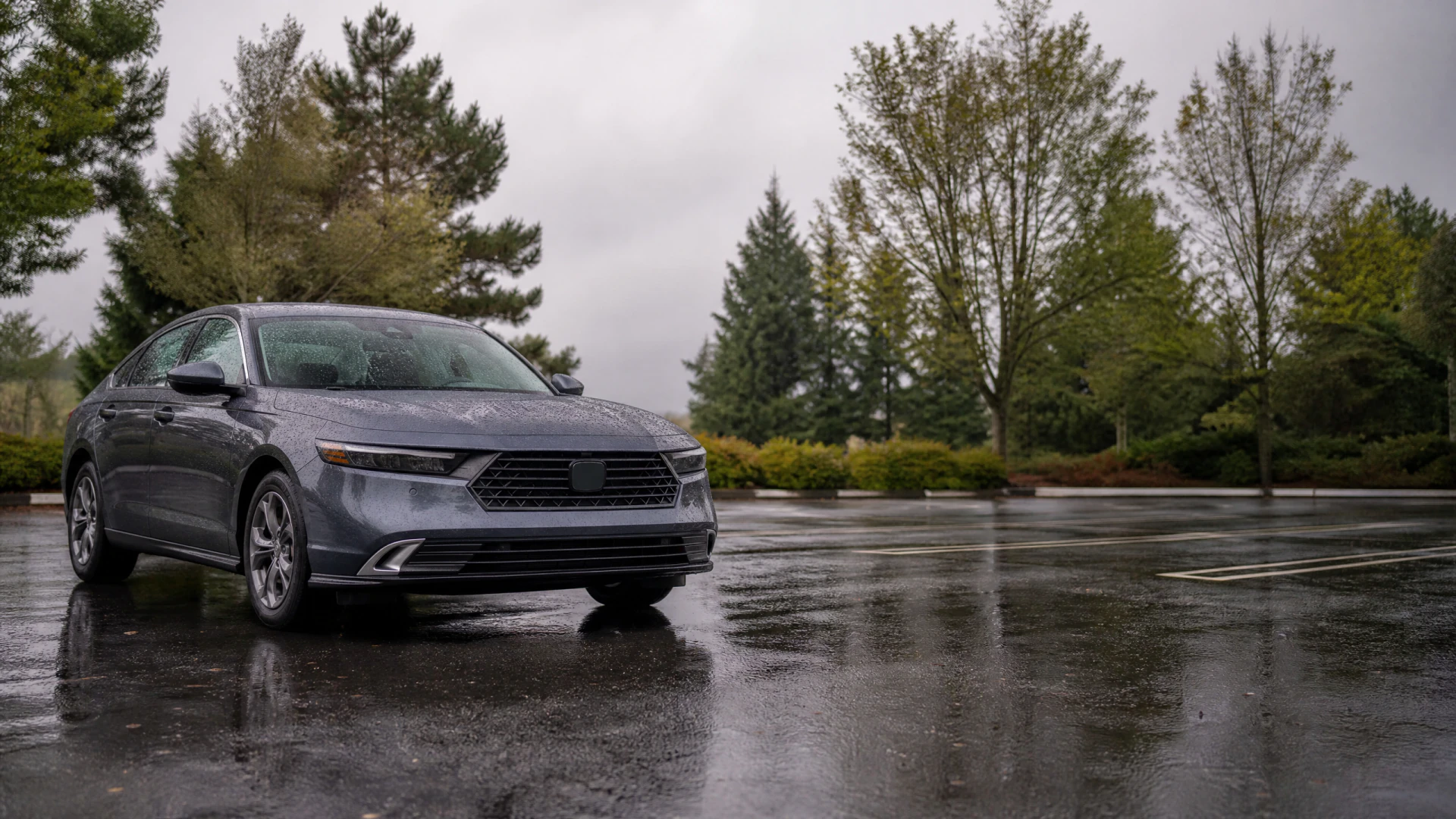
If your car just stopped running, that's between you and a mechanic, not your insurer. Insurance covers crashes, theft, weather, and similar events. Wear and tear, a dead battery, a failed transmission, or a car that overheats isn't something a standard policy pays for, so there's often nothing to file.
The exception is if the breakdown led to something else, like getting rear-ended while stopped on the shoulder, or if you have roadside assistance or towing coverage on your policy and want to use it. Check your policy or call your insurer to see what's actually on there before you assume you have to pay for a tow yourself.
Whether you have roadside assistance changes what happens next
If your policy includes roadside assistance, your insurer can arrange or pay for a tow, a jump start, or a locksmith, and using it isn't the same as filing a claim for a crash. It shouldn't affect your rate the way an at-fault accident would. Some insurers track frequent roadside calls, so ask yours directly how they handle it.
If you don't have that coverage, you're paying for the tow and repair out of pocket, which is worth knowing before you're stuck on the side of the road. Many auto clubs offer the same service separately from your insurance, so you have options even without it on your policy.
Either way, keep the tow receipt and any repair invoice. If the breakdown turns out to be linked to a part that was under warranty or a recent repair that failed, you'll want that paperwork, not for your insurer, but for the shop or the manufacturer.
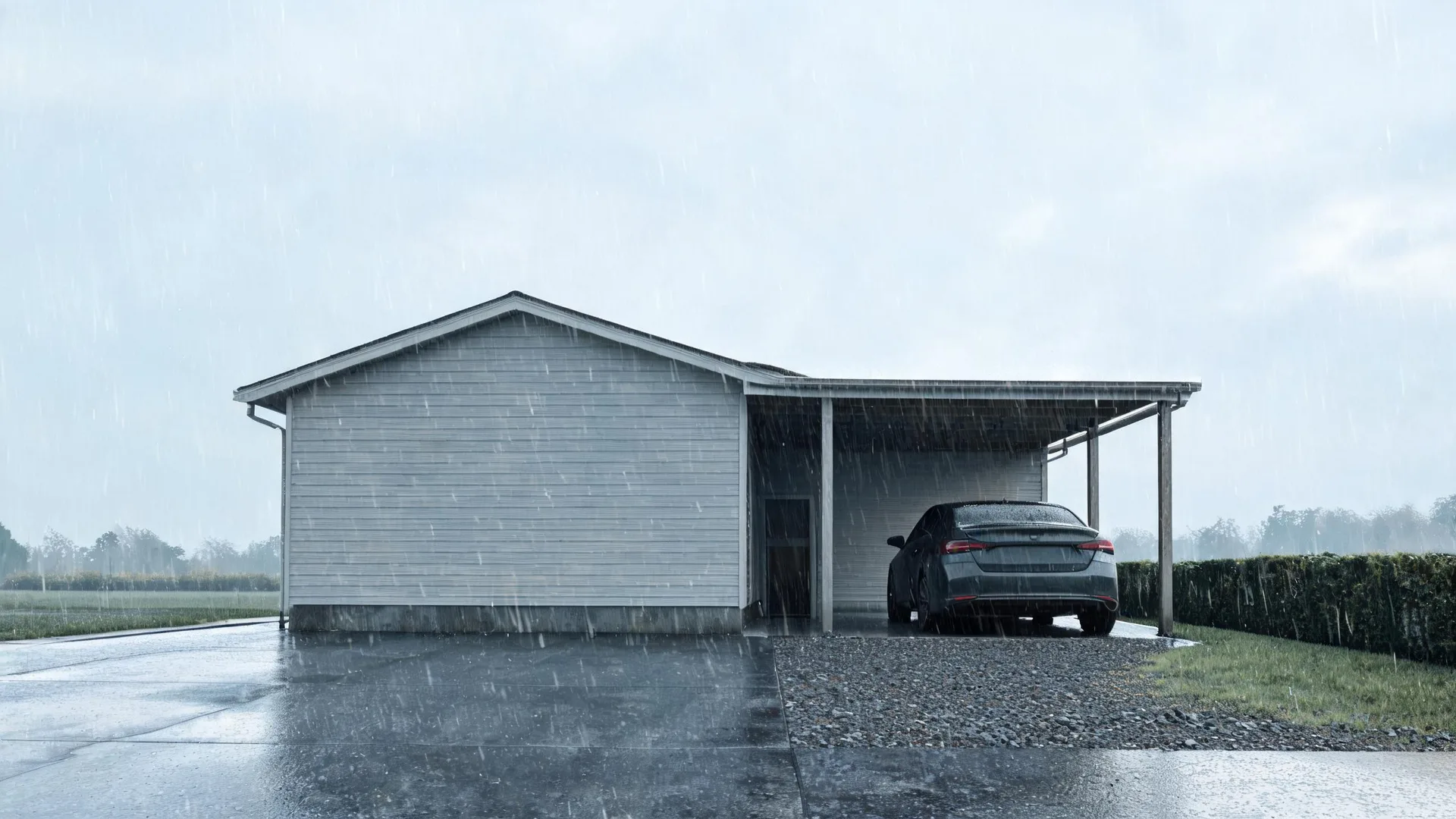
Where you broke down matters for your safety, not your coverage
Getting off the road safely is the priority before anything about insurance. Pull as far onto the shoulder as you can, put on your hazards, and if you have one, set out a reflective triangle or flares. Stay in the car with your seatbelt on if you're on a highway, since getting out near moving traffic is often more dangerous than staying put.
If another car hits you while you're stopped, that becomes a real insurance claim, and the other driver is usually at fault for not avoiding a stationary vehicle. Take photos of where you were parked and the damage if that happens.
If you're a older driver who's had any recent changes in vision or reaction time, it's worth thinking about how you'd handle a breakdown on a highway versus a side street, and planning to pull over early rather than waiting until a problem gets worse.
Questions people ask about this
Does calling a tow truck count against my insurance?
No, calling a tow truck on its own doesn't count as a claim. It only becomes relevant to your insurance if you use coverage on your policy to pay for it, and even then it's typically tracked separately from accident claims.
Will my insurance rate go up after a breakdown?
A mechanical breakdown by itself shouldn't raise your rate, since it isn't a claim against your policy. Your rate could change if the breakdown led to an accident or a claim you filed for related damage, so it depends on what actually happened, not the breakdown itself.
What should I keep in my car in case it breaks down?
A charged phone, your insurance card, roadside assistance contact information, and basic safety items like a flashlight and reflective triangle are worth having. Knowing your policy's roadside coverage, or your auto club membership details, before you need them saves time when you're stressed on the shoulder.
Should I call my insurance company or a mechanic first?
If you're safe and not in immediate danger, call whoever can get you off the road fastest, which is often a tow service or roadside assistance line. Your insurer only needs to be involved if you plan to use coverage on your policy or if the breakdown caused an accident.
Can a breakdown affect my policy at renewal?
A breakdown with no claim attached to it shouldn't appear on your record or affect your renewal. If you did file a claim, for a tow or related damage, ask your insurer how that specific claim is handled at renewal, since it varies by insurer.
If a breakdown has you rethinking what your policy actually covers, see what other insurers offer before your next renewal.
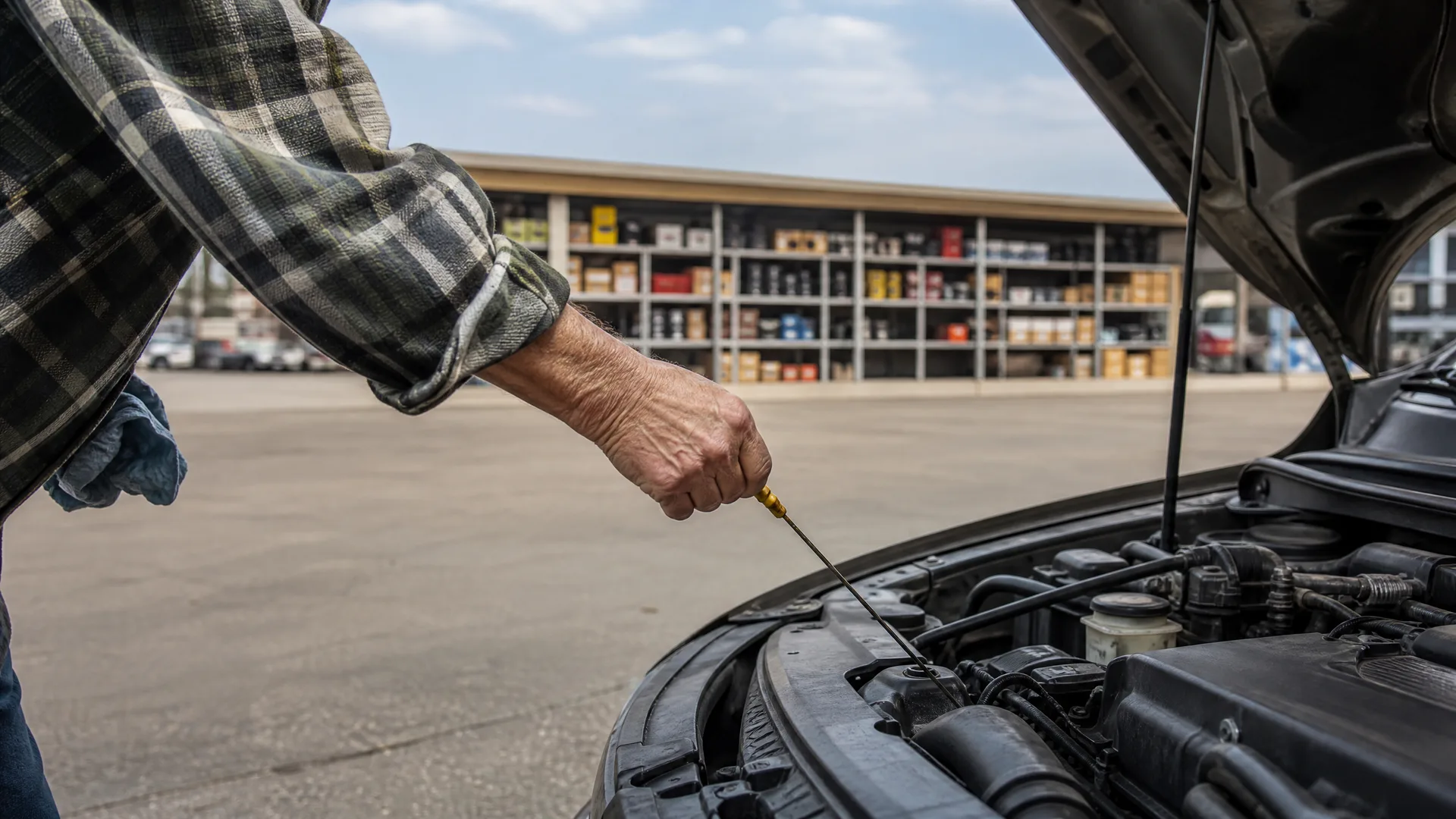
Find your current policy and check what it says about roadside assistance and towing coverage, since many people have it without knowing. If you used it recently, note what you paid out of pocket versus what was covered. Call your insurer or agent and ask directly how a roadside call is treated, separate from an accident claim. If you don't have roadside coverage and would want it, ask what it would add to your policy. And if you're shopping around anyway, compare how different insurers handle roadside assistance, since the coverage and the process for using it aren't the same everywhere.