Does My Insurance Go Up if I Use Roadside Assistance
A roadside assistance call by itself isn't a claim, so it doesn't raise your premium the way an accident claim can.
Roadside assistance alone doesn't raise your rate
Calling for a tow, a jump start, or help changing a tire doesn't work the same way as filing a claim for an accident or damage. Roadside assistance is usually a benefit you already pay for as part of your policy or through a separate membership, and using it doesn't get reported to your insurer as a loss.
What can affect your premium is the reason you needed the tow. If your car broke down because of mechanical failure, that's not something insurers rate you on. If you needed a tow because you were in an accident, the accident itself, not the tow, is what your insurer will look at.

Whether the call was tied to an accident
If you call roadside assistance after a breakdown, a flat tire, a dead battery, or running out of gas, there's nothing for your insurer to rate. These calls don't involve another driver, damage to your car from a collision, or a payout from your insurer. They stay between you and whoever provides the roadside service.
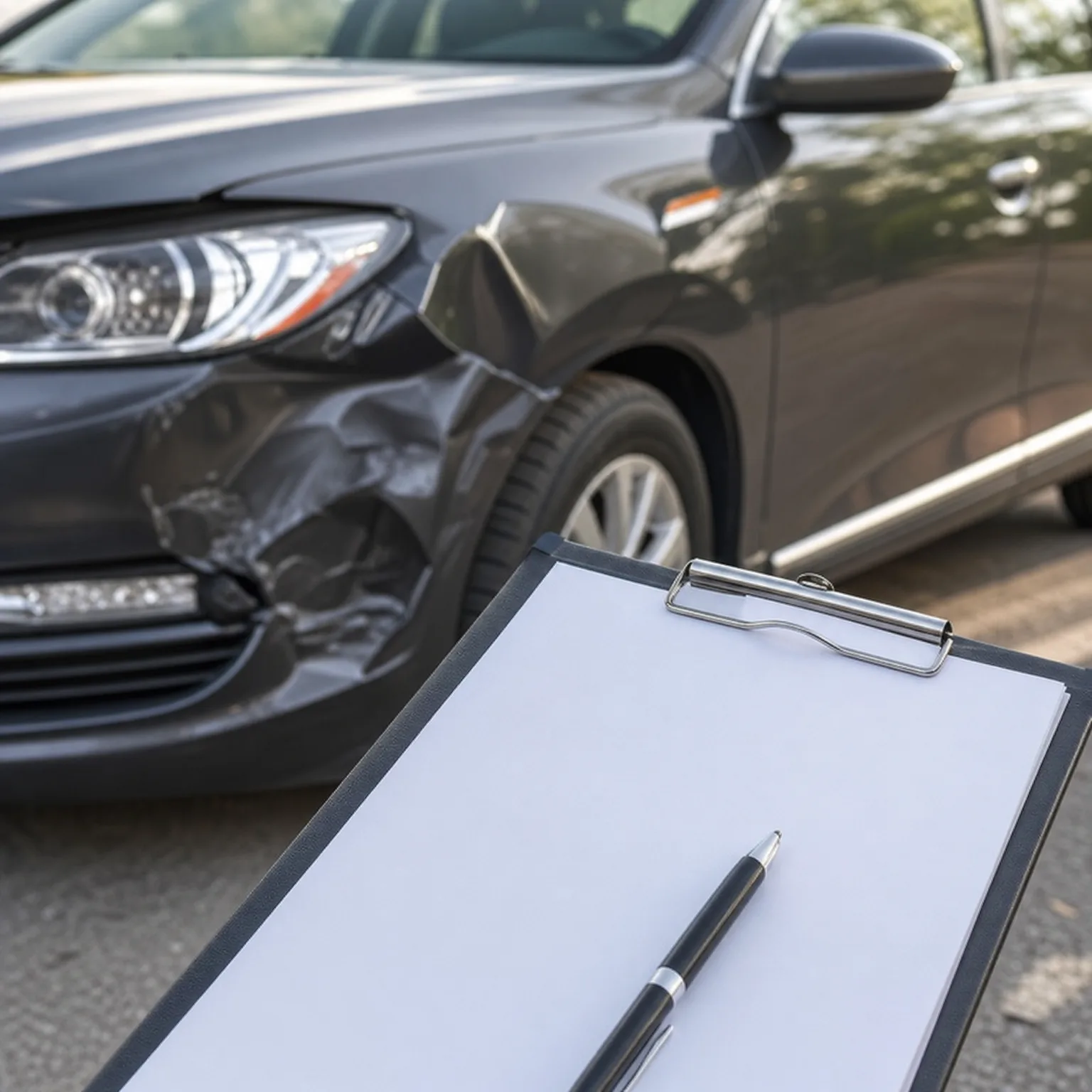
If the tow happens because you were in a crash, that's a different situation. Your insurer will look at the accident itself, who was at fault, how much damage there was, whether you filed a claim for repairs. The roadside assistance call is just how your car got off the road. It's the accident report and the claim for damage that matter.
So the honest way to think about it: roadside assistance is the service. A claim is a separate thing that happens, or doesn't, depending on why you needed help. Check your policy or your membership terms to see how many times you can use roadside assistance without it being flagged by your provider, since some membership plans do cap how often you can call.
How many times you use it
Even though a single roadside call isn't a claim, frequent use can draw attention. If you're calling for tows or lockouts often, some insurers may notice this during a policy review, especially if it suggests a pattern like an unreliable car or repeated mistakes such as locking your keys in the car or running out of gas.
This isn't the same as a rate increase from a single incident. It's more that your insurer might ask questions at renewal if your usage looks unusual. If you're using roadside assistance often, it may be worth checking whether the underlying issue, like an aging vehicle, is something to address separately from your insurance.
If you're unsure whether your plan tracks or limits usage, ask your insurer or your roadside assistance provider directly. Membership-based roadside programs and insurer-provided roadside coverage can work differently.
Questions people ask about this
Does calling a tow truck count as a claim?
No, calling a tow truck on its own isn't a claim. A claim happens when you ask your insurer to pay for damage or a loss. A tow is just transportation for your car. The only time a tow becomes part of a claim is if it's connected to an accident you're also reporting to your insurer.
Will my insurer know if I use roadside assistance?
If your roadside assistance is part of your auto policy, your insurer will have a record that you used the service, since they're the ones providing it. If it's a separate membership through a company like an auto club, your insurer typically won't know unless you tell them or file a related claim.
Is roadside assistance worth adding to my policy?
That depends on how often you'd realistically use it and what it costs to add. If you already have roadside coverage through a credit card, a vehicle warranty, or a separate membership, adding it to your policy may be redundant. Compare what's already available to you before paying for it twice.
Can I be dropped for using roadside assistance too much?
Insurers set their own rules about this, so check your policy terms or ask your insurer directly. Frequent roadside use alone is unlikely to get you dropped, but if it's tied to a pattern of accidents or claims, that's a different story that depends on your insurer's underwriting guidelines.
Does roadside assistance cover a car that won't start?
Most roadside assistance plans cover jump starts for a dead battery, along with towing, flat tire changes, and lockouts. What's included varies by provider, so check your specific plan or policy to see exactly what's covered and whether there's a limit on how many times you can use it.
If you're thinking about adding roadside coverage, see what it would actually cost added to your policy.
Pull out your policy or your roadside assistance membership details and check what's included and whether there's a limit on how many calls you get. If you've used roadside assistance recently, look at whether it was tied to an accident you also reported, since that's the part that could affect your premium, not the tow itself. If you're relying on a membership through your credit card or a separate auto club, compare that against what your insurer offers so you're not paying twice. And if you've been calling for help often, it might be worth asking a mechanic to look at what's causing the repeated breakdowns before your next renewal.