How to Drive Safely on Ice
Slow, steady inputs and extra following distance keep you in control when the road is ice.
Slow down before you need to, not after
The core of driving safely on ice is reducing your speed well before a curve, hill, or intersection, and avoiding sudden moves with the steering wheel, brakes, or gas. Ice responds badly to quick corrections. A driver who brakes hard or turns sharply on ice is more likely to lose traction than one who eases into every input.
This holds for any driver, but it matters more if your reflexes have slowed or if your car is older and doesn't have the traction control or anti-lock brakes that newer models carry. Slowing down early gives you more room to react if something does go wrong.
Your car's age and features change what you should do
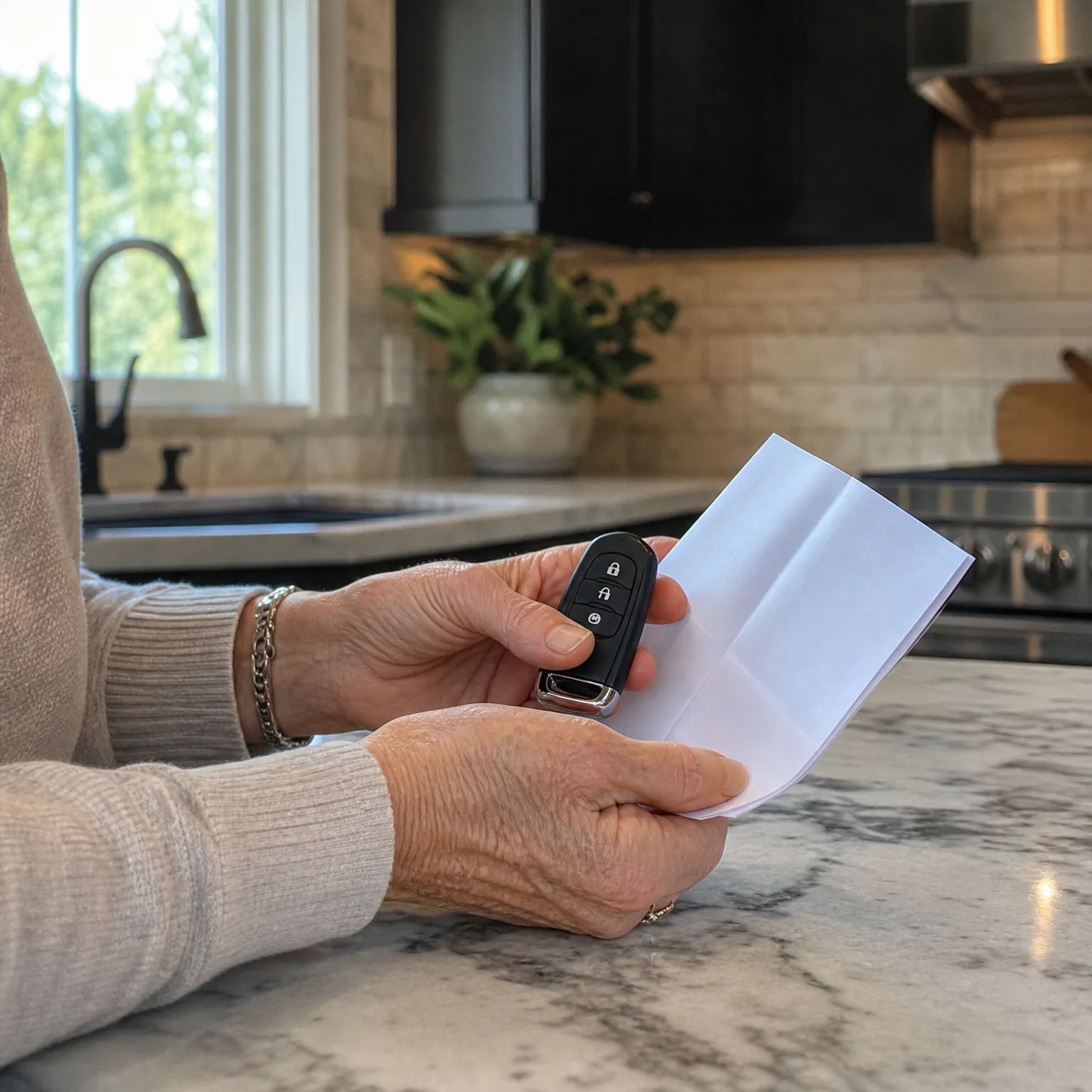
A car with anti-lock brakes wants you to brake firmly and let the system pulse for you. A car without them, which is more common in older vehicles, needs a different technique: pump the brakes gently yourself rather than pressing hard and holding.
Traction control and stability control, where your car has them, help the car correct a slide on their own. If you're not sure whether your car has these, check the owner's manual or ask the dealer who sold it to you. Knowing what your car can do for you changes how much you need to do yourself.
Tires matter as much as the car around them. Worn tread grips ice far worse than tread with depth left in it. If you haven't checked your tires this season, that's worth doing before the next cold snap, not during it.
What happens if you start to skid
Most skids on ice happen because a driver was already going too fast for the curve or the stop ahead. The first response isn't a steering correction, it's easing off the gas and letting the car slow down on its own.
If the back of the car slides, steer gently in the direction the back end is sliding toward, not away from it. This feels wrong in the moment, which is why practicing it somewhere safe, like an empty lot after a snowfall, is worth more than reading about it.
Don't brake hard during a skid. Hard braking locks the wheels and takes away what little grip you have left. Let the car regain traction before you brake or steer again.
Questions people ask about this
Does my car insurance cover accidents caused by ice?
Most auto insurance policies cover accidents regardless of road conditions, including ice, as long as the coverage applies to the type of accident you had. Collision coverage typically applies if you slide into something, and liability covers damage to others. Check your policy or ask your insurer which coverages you carry, since not every driver has the same ones.
Is it illegal to drive without snow tires in icy conditions?
Whether snow tires or chains are required depends on the state and sometimes the specific road or county you're driving in. Some states post temporary requirements during storms. Check with your state's department of transportation or motor vehicle agency for the rule where you live and drive.
Should older drivers avoid driving on ice altogether?
Whether to drive at all in icy conditions is a personal decision that depends on your comfort, your reflexes, and whether the trip is necessary. Some older drivers choose to stay off the road during ice warnings and reschedule errands or ask someone else to drive. There's no rule that says you can't drive, but there's also no reason to take the risk if you don't have to.
How do I know if a road is icy before I get on it?
Bridges, overpasses, and shaded areas freeze first and often look wet rather than icy, which makes them easy to misjudge. Local news and state highway sites usually post road condition alerts before and during a storm. If the temperature is near freezing and the road looks wet, treat it as ice until you know otherwise.
Does a defensive driving course lower my insurance rate for winter driving?
Some insurers offer a discount for completing a defensive driving course, but this depends on the insurer and sometimes the state. If you take a course, ask your insurer directly whether it qualifies and what you need to send them to apply the discount to your policy.
If winter driving has you thinking about your coverage, see how your policy compares to others before the next storm.
Check your tire tread and your owner's manual this week, before the next cold snap arrives. Find out whether your car has anti-lock brakes or traction control, since that changes how you should respond to a skid. If you're due for a policy renewal soon, call your insurer and ask what's covered if you have an accident in icy conditions. Ask them directly whether a defensive driving course would lower your rate, and what they need from you to apply it. If the forecast calls for ice and your trip isn't necessary, it's reasonable to wait a day.