What Not to Do When Driving in the Snow
Most snow crashes come from a handful of avoidable mistakes, not bad luck.
The biggest mistakes are braking hard, following too close, and driving your normal speed
Snow changes how your tires grip the road, and the most common mistake is not changing your driving to match. Braking hard on snow locks up the wheels or triggers the anti-lock system in a way that still takes much longer to stop than on dry pavement. Following at a normal distance means you don't have that extra stopping room when you need it. Keeping your usual speed because the road looks clear in spots is how most people end up sliding.
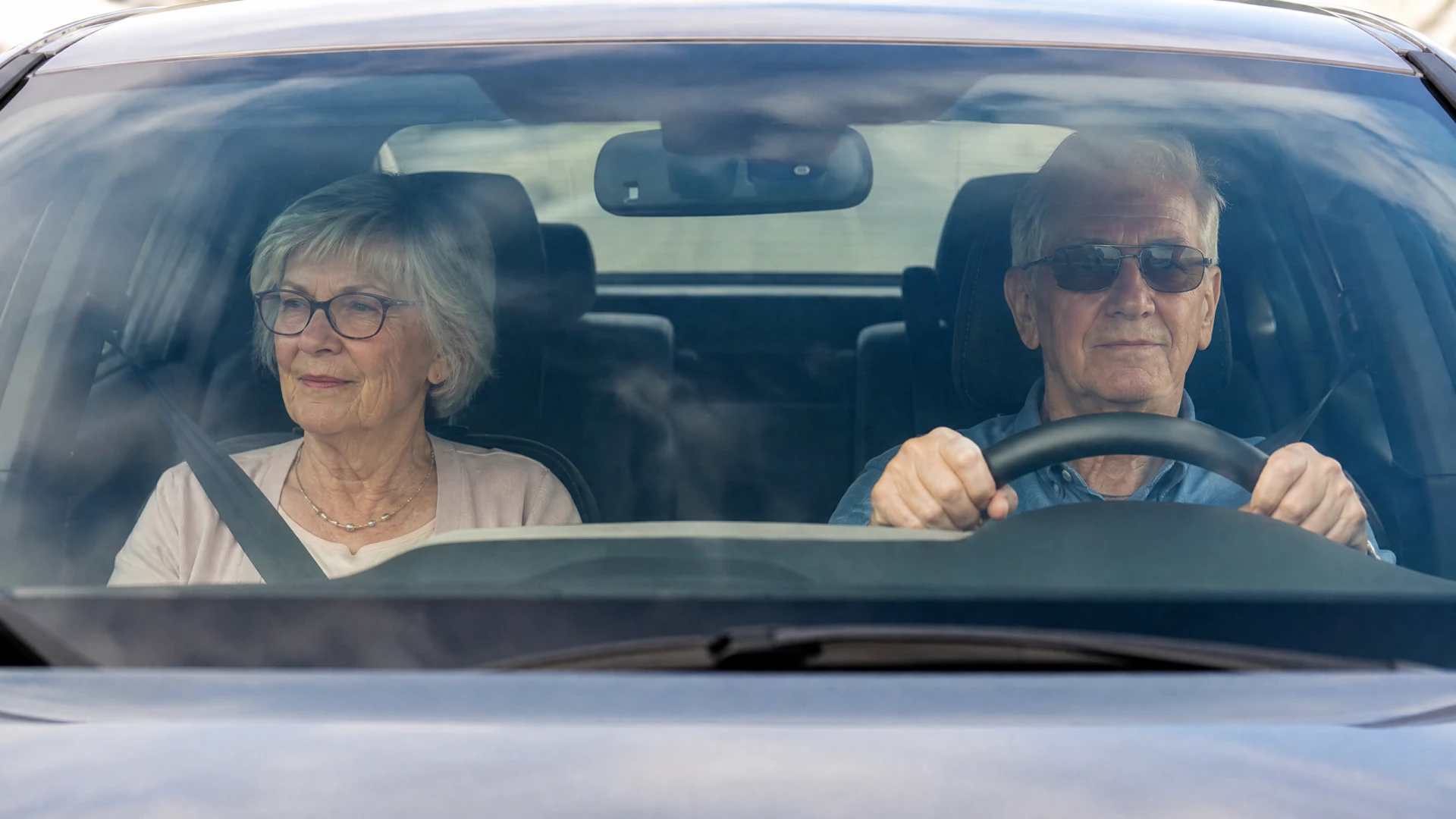
For an older driver, the stakes are a little different. Reaction time is slower than it used to be, so the margin for error that speed and distance give you matters more than it did at twenty. None of this means you shouldn't drive in snow. It means the habits that worked fine on dry roads for forty years need to change on this one.
What your car is doing before you even start moving
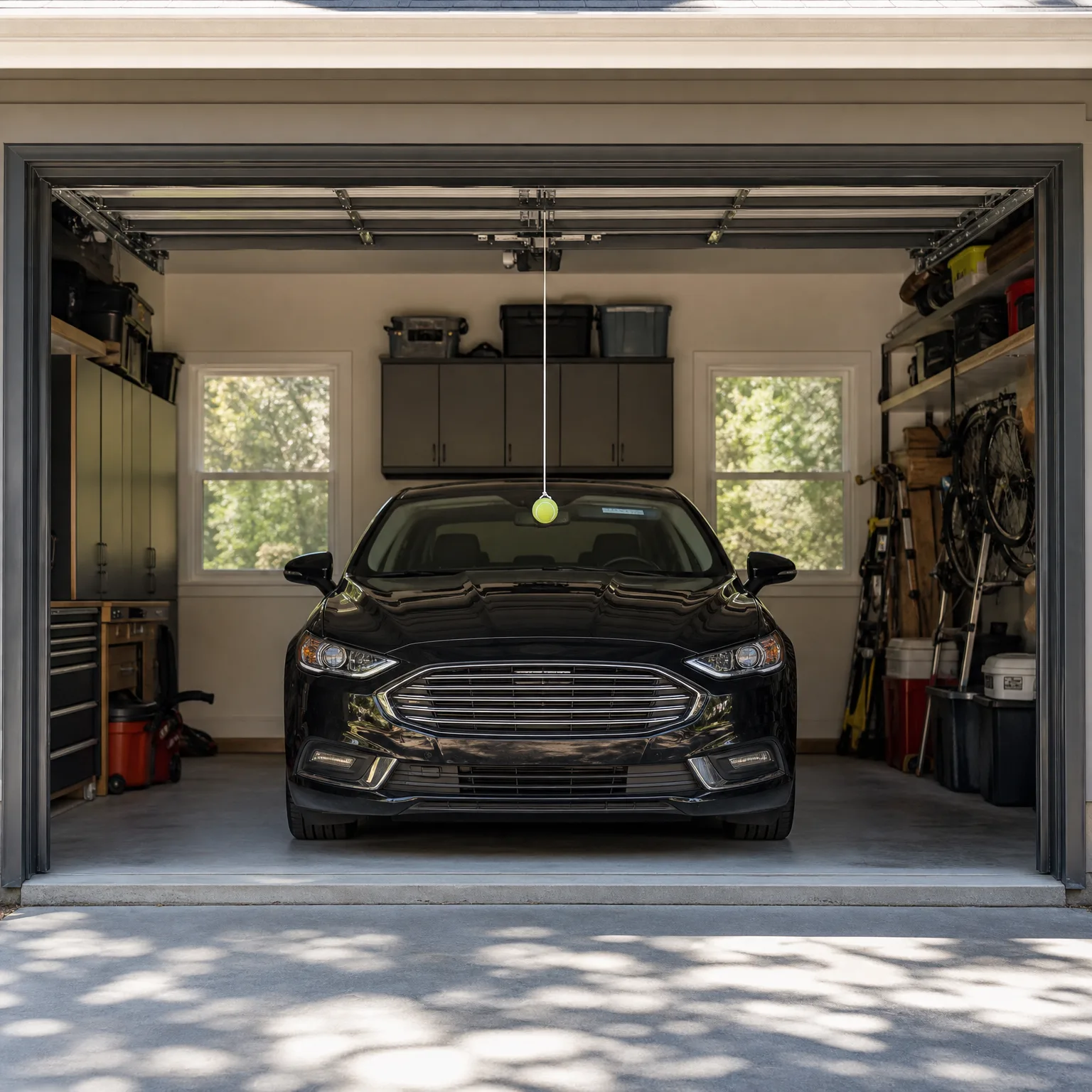
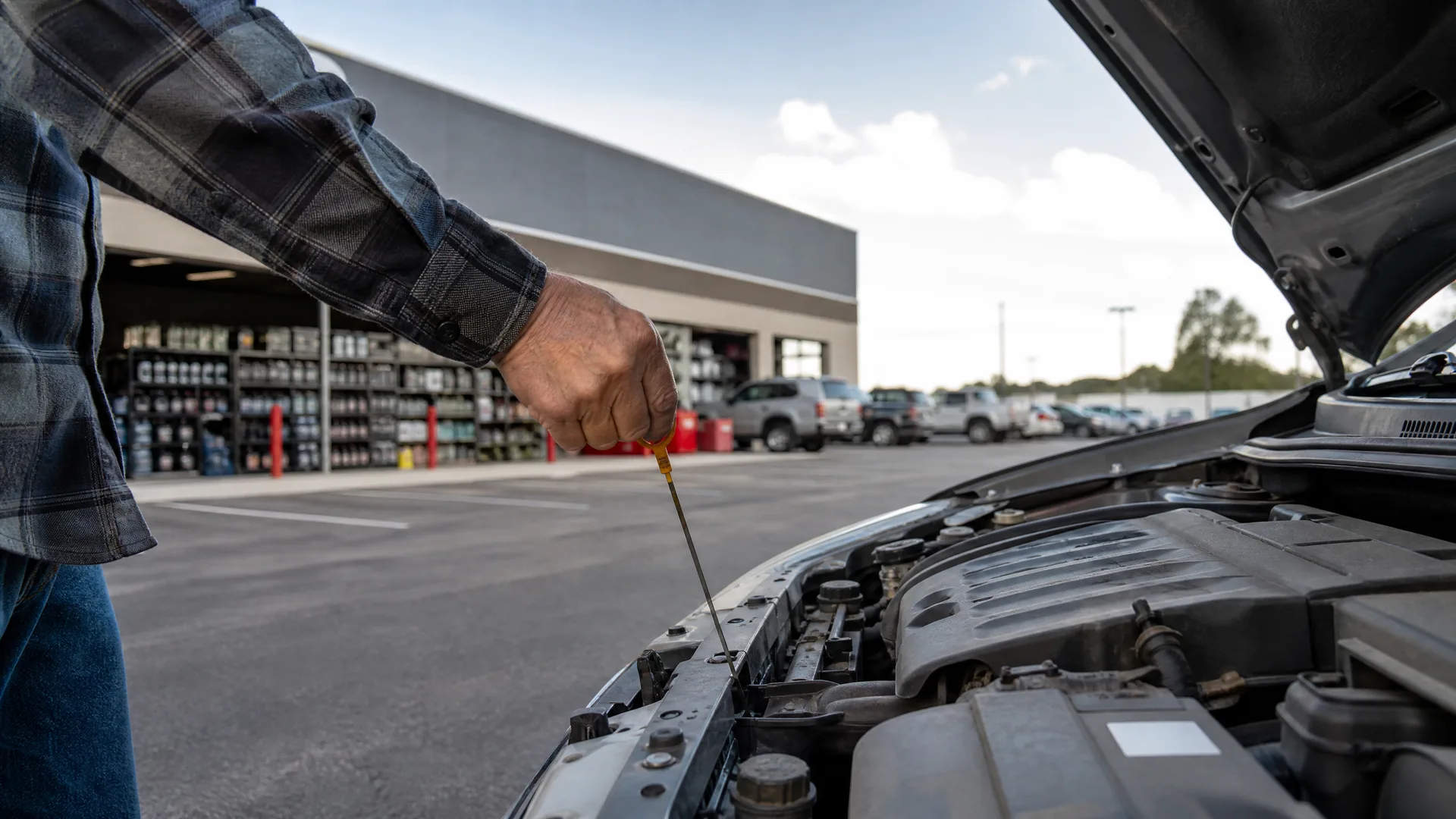
A lot of winter crashes start with a car that wasn't ready, not a mistake behind the wheel. Tires worn below a safe tread depth lose grip fast in snow, more than most drivers expect. If your tires are a few years old, check the tread before the first snowfall, not after.
Clearing only a porthole in the windshield is another common mistake. Snow left on the hood, roof, or trunk can slide onto your windshield while you're braking, or fly off onto the car behind you. Clear the whole car, including the lights, so other drivers can see you and you can see them.
Low washer fluid or a weak defroster seems minor until you're on the road and can't see through the spray thrown up by the car ahead. Check both before the weather turns, not during the drive.
Skipping all of this to leave five minutes earlier is the mistake that causes the others.
What happens after a close call or a crash
A near miss or a minor slide can shake a driver enough that the real mistake happens afterward: panicking and overcorrecting, which is what turns a slide into a spin. If your car starts to slide, the general advice is to ease off the gas and steer gently in the direction you want to go, not to brake hard or yank the wheel.
If you do have a crash, even a minor one, don't assume it won't affect your insurance just because no one was hurt. How a snow-related crash affects your record and your premium depends on your insurer and your state, so it's worth asking your agent directly rather than guessing.
Another mistake is not pulling off the road after a near miss to let your nerves settle. Driving the rest of the way shaken is how a close call turns into a second one.
Questions people ask about this
Is it illegal to not clear snow off your car before driving?
Whether this is a ticketable offense depends on your state, since some have specific laws about clearing snow and ice from your car. Check with your state's DMV or your local police department's website for the rule where you live. Even where it isn't specifically illegal, you can usually still be cited for driving with obstructed visibility.
Should I warm up my car before driving in snow?
Letting the engine and defroster run for a few minutes before you drive helps clear the windshield and gives you better visibility from the start. It doesn't make the engine run better, despite the old advice, but it does make the first few minutes of driving safer. Use that time to also clear the rest of the car, not just sit and wait.
What should I keep in my car in case I get stuck in snow?
Useful items include a blanket, a phone charger, warm clothes, and something to help with traction like sand or cat litter if your tires get stuck. What you need depends on how far you typically drive and how remote the roads are, so think about your own routes rather than a generic list. Keeping these in the car year round means you're not scrambling to find them on the day you need them.
Does my insurance cover a crash caused by snow or ice?
Whether a weather-related crash is covered depends on your policy and the type of coverage you have, so this is a question for your insurer directly. Collision coverage generally applies regardless of what caused the crash, but the details of your policy decide what you're responsible for. Ask your agent to walk through what your specific policy covers before you need it.
Is it better to drive slower or keep up with traffic in snow?
Driving at a safe speed for the conditions matters more than matching the car ahead of you, even if that means going slower than everyone else. Other drivers pushing their speed doesn't change how long it takes your car to stop on snow. If someone is tailgating you because of your speed, it's safer to let them pass when you can than to speed up to match them.
See how a clean winter driving record and the right coverage can work together before you need it.
Before the next snowfall, check your tire tread and your washer fluid, and test your defroster on a cold morning. Clear a path in your schedule so you're not leaving in a rush when the roads are bad. If you've had a close call or a minor crash in snow recently, call your agent and ask directly how it affects your policy rather than assuming. Keep a blanket, warm clothes, and some sand or cat litter in the car through the winter months. If you're not confident driving in snow anymore, it's worth being honest with yourself about which trips can wait for clearer roads.