How to Stay Alert on Long Drives
The best way to stay alert is to be rested before you start and to stop before you feel tired, not after.
Rest before you drive, then stop on a schedule, not on need
Alertness on a long drive is mostly decided before you leave the driveway. A driver who starts out well rested can handle hours on the road far better than one who starts tired and plans to push through with coffee or music. If you're already tired when you start, no amount of driving technique fixes that.
Once you're on the road, the second part is stopping on a regular schedule rather than waiting until you feel drowsy. By the time you notice you're tired, your reaction time has already slowed. Planning stops every couple of hours, getting out of the car, and walking around does more than any amount of radio or cold air.
Your own warning signs matter more than any general advice
Everyone's body signals tiredness differently. Some people notice their eyes feel heavy. Others catch themselves missing an exit or losing track of how they got somewhere. Knowing your own early signs means you can act on them before they turn into microsleep, which is when a driver's eyes close for a second or two without them realizing it.
If you've driven long distances before, think back to what happened right before you felt unsafe. That's your signal, and it will probably show up again. Treat it as a reason to stop, not something to push through.
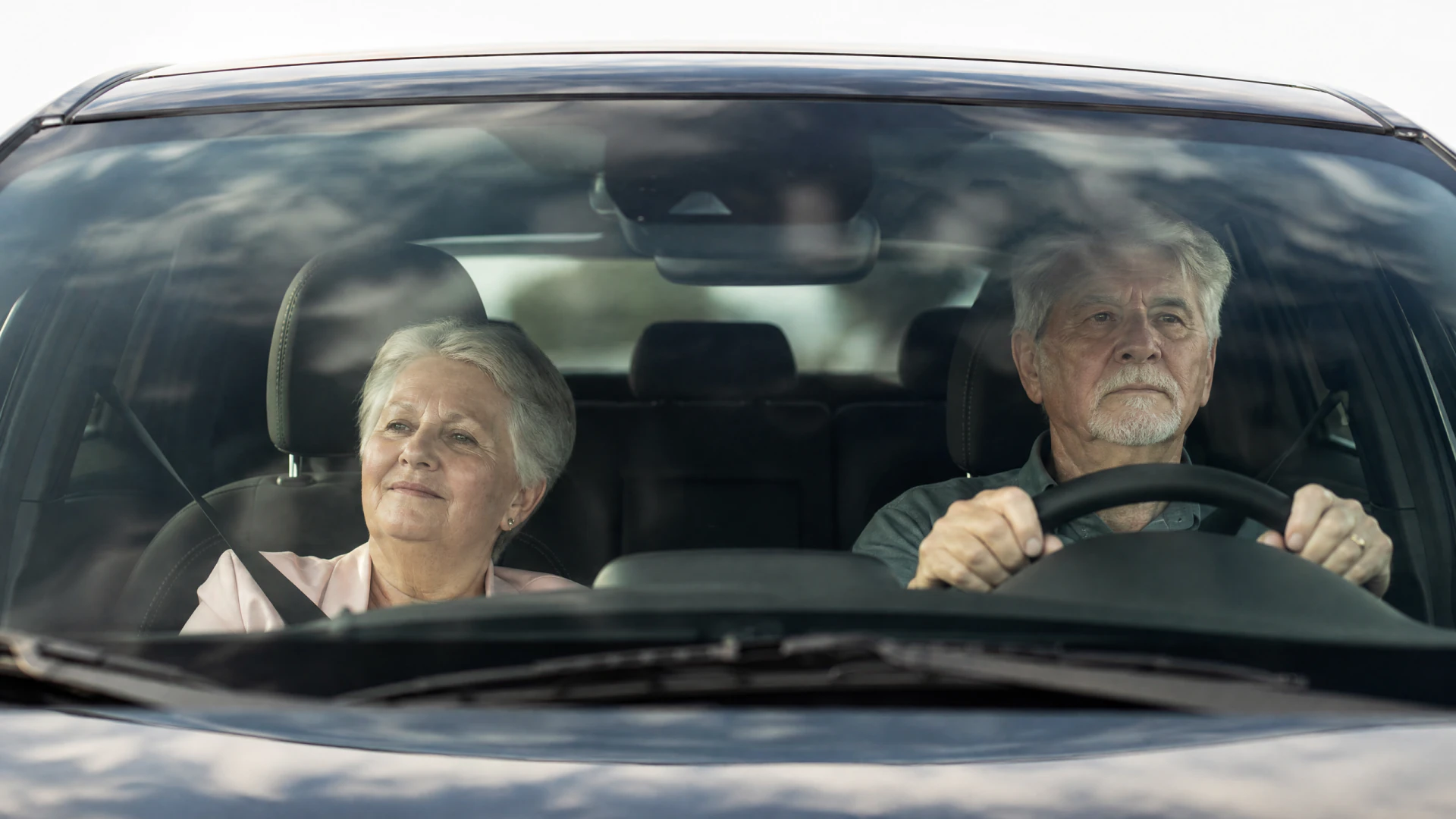
This matters more as a driver gets older, since reaction time and the ability to recover quickly from a lapse in attention both tend to slow with age. That doesn't mean an older driver can't handle long drives. It means the margin for pushing through tiredness is smaller, so the stops matter more, not less.
If you take any medication, check whether it causes drowsiness, even if you've taken it for years. The effect can be different when combined with hours of steady, monotonous driving.
The drive itself, not just the driver, affects how alert you stay
Long stretches of flat, straight highway are harder to stay alert on than roads with more to look at and react to, even though they feel easier. The lack of variation is what makes a driver's attention drift.
Time of day matters too. Driving during hours you'd normally be asleep works against you no matter how rested you felt when you started. If a long drive can be scheduled around your normal waking hours, that alone helps more than most other adjustments.
Having someone else in the car to talk to, or splitting the driving with another licensed driver, gives you a real way to rest without stopping the trip. If you're driving alone, a planned stop is the only substitute.
If you ever catch yourself not remembering the last few minutes of driving, that's not a sign to try harder. It's a sign to get off the road at the next safe place and stop, even if it means arriving later than planned.
Questions people ask about this
Does taking a defensive driving or refresher course help with staying alert on long drives?
A refresher course can cover driving habits and awareness, but it won't change how your body responds to fatigue. It's useful for reviewing rules and reaction skills, not as a substitute for rest. Some insurers offer a discount for completing one, so check with your insurer if that's part of your reason for taking it.
Is it safe for an older driver to take long road trips alone?
It depends on the driver's health, vision, and how honestly they assess their own alertness, not on age alone. Many older drivers manage long trips safely by planning more frequent stops and avoiding night driving. If you're unsure, a doctor familiar with your health can give a more specific answer than any general rule.
Will my insurance rate change if I report that I drive long distances often?
This depends on your insurer and how they calculate rates in your state. Some ask about annual mileage as part of the application, and higher mileage can factor into the price either way. Ask your insurer directly how they treat long-distance or frequent driving before assuming it helps or hurts.
What should I do if I start feeling drowsy and there's nowhere to stop?
Open a window for fresh air and turn down anything that's lulling you, but treat this as a temporary measure only. These tricks buy a few minutes at most. Get to the next safe place to stop, whether that's a rest area, a gas station, or just pulling well off the road, and stop driving until you've rested.
Does a vision or hearing test matter for staying alert on long drives?
Yes, because uncorrected vision or hearing problems make a driver work harder to stay aware of the road, which speeds up fatigue. If it's been a while since your last check, it's worth doing before a long trip. Some states require vision tests at renewal, so check what your state requires and don't wait for that reminder if it's overdue.
If a long drive is part of why you're looking at your coverage, it's worth seeing what other insurers would charge for the same policy.
Before your next long drive, plan your route with stops built in every couple of hours rather than waiting until you feel tired. If it's been a while since your last vision or hearing check, get one done this week, especially if your state requires it for renewal. If you take any medication, ask your pharmacist whether it affects alertness during long periods of driving. And if a renewal notice prompted this search, take a few minutes to compare what other insurers would charge for your situation, since your rate depends on your insurer's own rules, not just your driving habits.