Is It Safe for Seniors to Drive Long Distances Alone
For most older drivers, long solo trips are safe as long as health and vision are holding up and the trip is planned with rest in mind.
Yes, for most seniors, with some planning
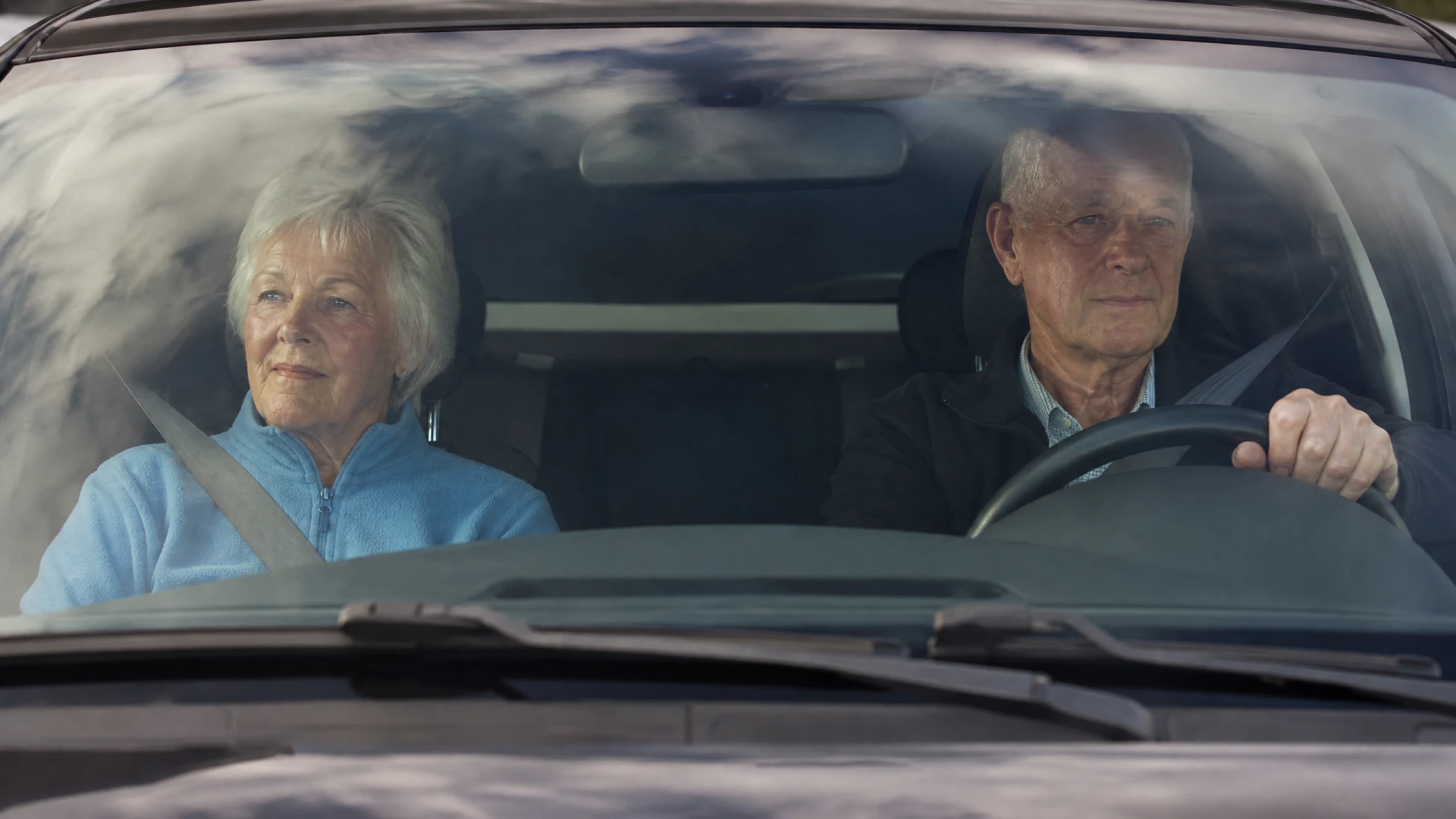
There's no age where driving alone over a long distance stops being safe. What matters is the individual driver: their vision, their reaction time, how well they sleep, and whether any medical condition affects their ability to stay alert for hours at a stretch.
Most people in their sixties, seventies, and beyond drive long distances without incident. The risk isn't the distance itself. It's fatigue, delayed reaction to sudden hazards, and in rare cases a medical event like a fainting spell or a seizure happening with no one else in the car to help.
What matters most: vision and reaction time
Long highway drives demand steady attention for hours, and that's where age-related changes show up first. Night vision tends to fade earlier than daytime vision, so a long drive that runs into evening is a different risk than the same drive finished by early afternoon.
Reaction time slows gradually for most people as they age, and it's not something you notice day to day. It shows up in the half second it takes to register a merging truck or a deer at the edge of the road. That half second matters more at highway speed than it does in town.
An eye exam and a conversation with a doctor about any medication that causes drowsiness are the two checks worth doing before a long trip, not after. Some medications prescribed for blood pressure or sleep carry warnings about driving, and it's easy to forget a prescription changed since the last long trip.
If side vision or night vision has noticeably declined, the fix isn't necessarily to stop driving long distances. It's to drive them in daylight and build in more stops.
What decides it next: planning the trip itself
A long drive alone is safer when it's broken into pieces. Driving past the point of real tiredness is where risk rises sharply, and alone in the car, there's no one to notice the signs or take over.
Planning stops every couple of hours, choosing routes with rest areas and gas stations instead of long empty stretches, and avoiding driving through the hours when sleepiness is strongest all reduce the risk without reducing the distance that gets covered.
Having a phone charged and a simple plan for who to call if something goes wrong matters more alone than with a passenger along. If a medical condition could cause a sudden problem, a medical alert device or a check-in call partway through the trip is a reasonable precaution, not an overreaction.
Some families worry more about the drive than the driver does. A fair way to settle it is an honest look at how the person has handled recent local driving, rather than a decision based on age alone.
Questions people ask about this
At what age should seniors stop driving long distances?
There's no set age for this. It depends on individual health, vision, and how a person's recent driving has gone, not a number on a birthday. A doctor or an eye exam is a better guide than an age cutoff.
Does car insurance cost more for seniors who drive long distances?
Insurers look at overall mileage and driving record more than the length of individual trips. If annual mileage goes up because of regular long drives, it's worth asking an insurer directly whether that changes the premium.
What medical conditions make long solo drives unsafe?
Conditions that can cause sudden loss of consciousness or control, such as uncontrolled seizures or certain heart conditions, are the ones doctors weigh most carefully for any solo drive, long or short. A doctor familiar with the specific diagnosis is the right person to ask.
Should seniors take a defensive driving refresher before a long trip?
It's not required, but many drivers find it useful after years away from highway driving conditions. Some insurers also offer a discount for completing one, which is worth asking about before signing up.
What should a senior pack in the car for a long solo drive?
Beyond the usual emergency kit, a list of current medications, emergency contacts, and any medical conditions is worth having on hand in case someone else needs that information quickly. A charged phone and a planned route with rest stops round it out.
If a long trip is coming up, it's worth checking that your coverage still fits how and how far you're driving.
Before the next long trip, schedule an eye exam if it's been a while, and ask your doctor whether any current medication affects alertness or reaction time. Map the route with stops built in every couple of hours, and avoid starting a long drive late in the day if night vision is a concern. Let someone know your route and rough timing, and keep your phone charged and reachable. If your annual mileage has changed because of trips like this, call your insurer and ask whether that affects your policy.