How to Stay Safe on the Shoulder of the Road
Get as far right as you can, turn on your hazards, and stay inside the car unless you're sure it's safer outside it.
Pull as far onto the shoulder as the road allows
Move the car as far right as you can, ideally past the white line and onto any paved area beyond it. Turn your wheels away from traffic if you're on a slope, so the car won't roll into the road if the brakes fail. Turn on your hazard lights right away, even before you've fully stopped.
Once you're stopped, the safest place is usually inside the car with your seatbelt on, especially if the shoulder is narrow or traffic is moving fast. If you have to get out, like to change a tire, get out on the side away from traffic and stand well clear of the car rather than behind or beside it.
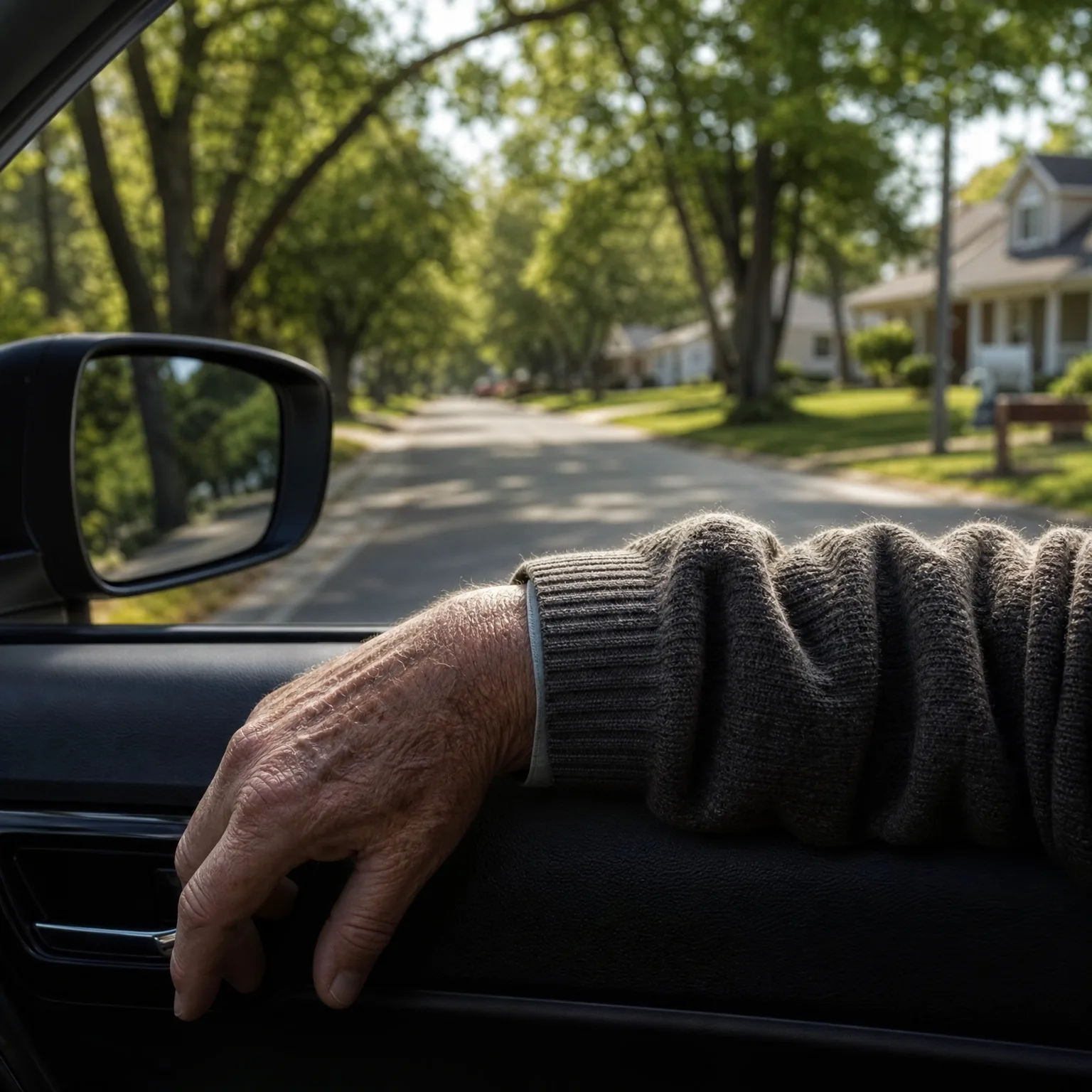
How much room the shoulder gives you changes everything
A wide shoulder on a rural highway and a narrow one on an urban freeway are different situations, even though both are called a shoulder. On a wide one, you can usually get the whole car clear of the traffic lane with room to spare. On a narrow one, part of your car may still be sitting in or near the lane no matter how far right you pull.
If the shoulder is narrow, your safest move is often to keep driving, carefully, to the next exit or a spot with more room, rather than stopping where a passing truck could clip your mirror. That's a judgment call based on what's actually wrong with the car. A flat tire is different from smoke coming from the engine.
Weather and time of day matter here too. The same shoulder that feels manageable in daylight is much harder for other drivers to see at night or in rain, so give yourself more room and more hazard warning in those conditions if you can.
If you have a reflective triangle or road flares in the car, this is when they're worth using, set back from the car in the direction traffic is coming from. They give other drivers more time to see you and move over.
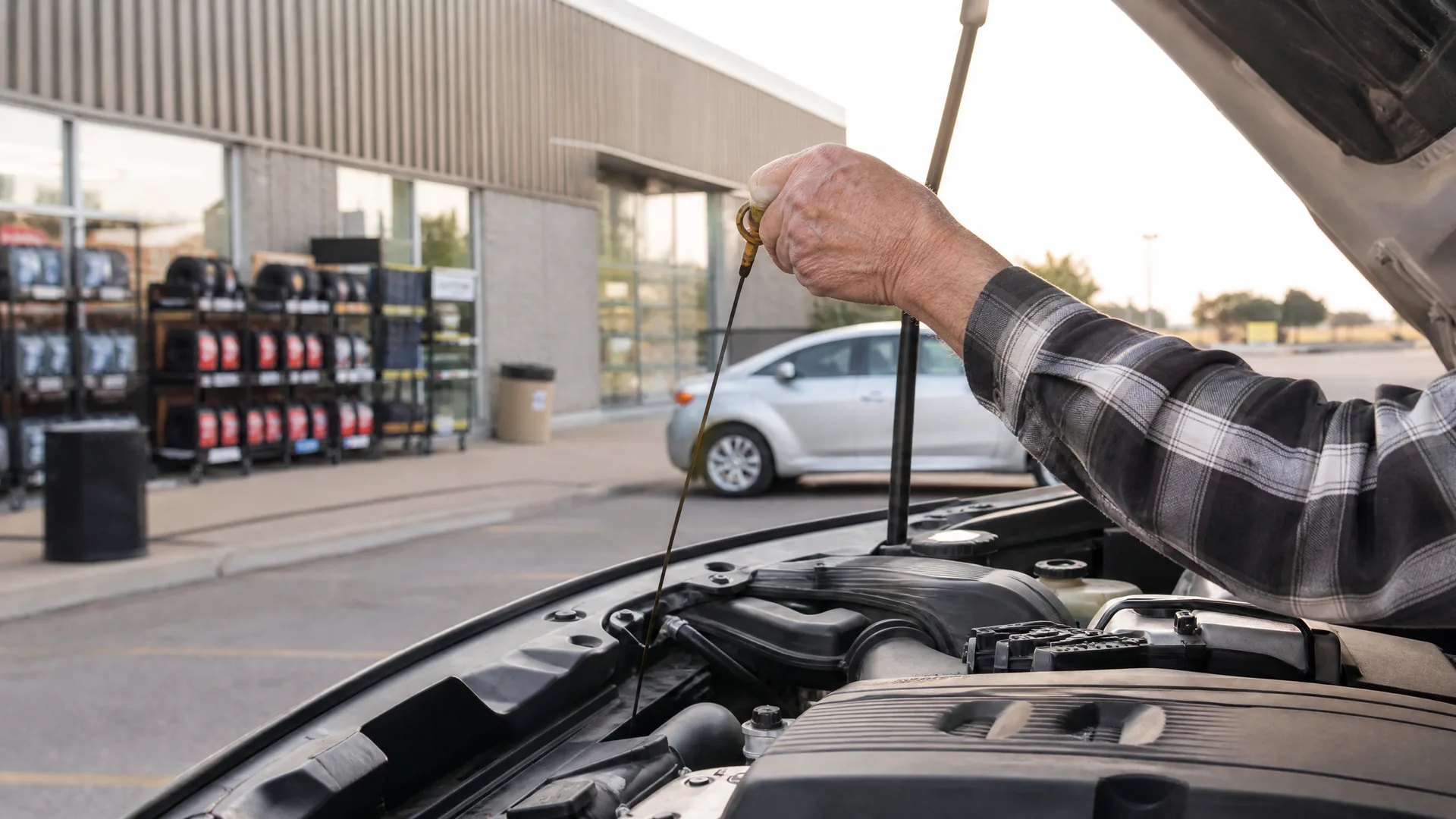
What most people get wrong: standing near the car
The instinct when something goes wrong is to get out and look at the problem, stand near the tire, lean into the engine bay, or wait by the door. That's also where people get hit. A driver who drifts onto the shoulder, even briefly, is drifting into the exact spot where you'd naturally be standing.
If you're waiting for a tow truck or roadside help, wait inside the car with your seatbelt on, or well off the shoulder entirely if there's a barrier, guardrail, or grassy area you can get behind. Don't stand at the back of the car to flag down help. Drivers behind you may not see you until it's too late to react.
If you do need to change a tire or check under the hood, work on the side of the car facing away from traffic, not the side facing the lane. It feels slower and more awkward, but it keeps you out of the path of anything that drifts onto the shoulder.
Questions people ask about this
Is it illegal to stop on the shoulder of the highway?
In most states you can stop on the shoulder only for an emergency, like a mechanical problem or to let a faster vehicle pass safely, not to make a phone call or check a map. The exact rule depends on the state, so if you're unsure, treat the shoulder as for emergencies only.
What do I do if my car breaks down on the highway and I can't get to the shoulder?
Turn on your hazard lights immediately and slow down gradually rather than stopping abruptly in the lane. If you can coast to any paved area, even a narrow one, do that rather than stopping in a live lane. If you're genuinely stuck in the lane, stay in the car with your seatbelt on and call for help rather than stepping out into traffic.
Should I call the police if I'm stopped on the shoulder?
If you're safely on the shoulder with a minor issue, you can usually call a tow service or roadside assistance directly instead of the police. Call the police if you're in a spot with no safe room to pull over, if the car is partly in a traffic lane, or if you feel unsafe for any reason.
Does my insurance cover roadside assistance if I break down on the shoulder?
Some policies include roadside assistance and some don't, so check your policy or ask your insurer before you need it. If you don't have it, many insurers let you add it, and some auto clubs offer it separately from your car insurance.
How do I safely get back into traffic from the shoulder?
Check your mirrors and blind spot, signal, and wait for a real gap rather than trying to merge into tight traffic. Build up speed on the shoulder if there's room to do so before merging, so you're not pulling into the lane much slower than the cars already in it.
If a close call like this has you thinking about your coverage, see what other drivers your age are paying.
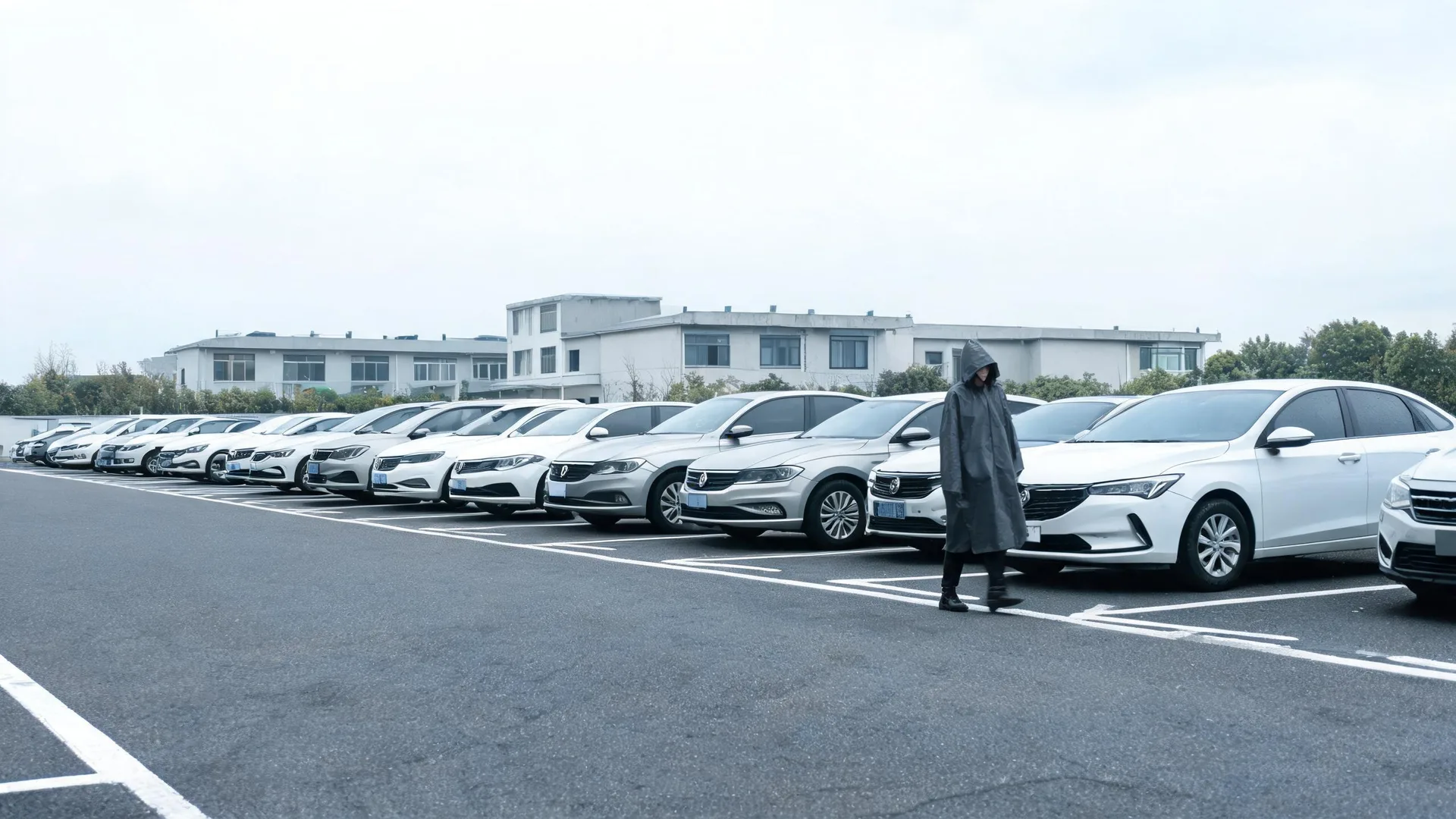
Keep a reflective triangle or flares in your trunk, along with a flashlight, so you're ready if this happens on a dark or narrow stretch of road. Check your policy now, before anything happens, to see whether roadside assistance is included or whether you'd need to call a separate auto club. Save the number for a tow service or roadside help in your phone so you're not searching for it while pulled over. If you do break down, call for help before you get out of the car, and only step out if you're sure it's safer than staying inside. Afterward, it's worth asking your insurer whether anything about the incident affects your policy, especially if it involved any damage or a police report.