What to Do if Car Breaks Down on Road Trip
Get the car off the road, make yourself visible, then call for help before you worry about anything else.
Pull off as far as you can and stay visible
If the car is still moving, get it onto the shoulder or an exit ramp rather than stopping in a travel lane. Turn on your hazard lights right away, even while you're still slowing down. Once you're stopped, pull as far from traffic as the road allows, even if that means uneven ground or gravel.
After that, the order is simple. Get everyone out on the side away from traffic if it's safe to do so, mark the car so other drivers see it in time, and then call for help. A car broken down on the shoulder is one of the more dangerous places to be on a highway, so the first few minutes are about being seen and staying clear of the lane, not about the car itself.
Whether you have roadside assistance already
Check your insurance policy, your car's warranty, and any membership you carry before you call anyone. Many auto policies include towing and roadside coverage as an add-on, and some new cars come with it for a set number of years from the manufacturer. If you have it, that's who you call first, since they'll already know what's covered and can send a truck without you paying out of pocket.
If you don't know whether you have it, your insurance card or policy documents usually list a roadside assistance number separately from the claims number. That's worth finding before a trip, not during one.
If you have no coverage at all, calling a local tow company or the number on a highway call box works, but you'll be paying directly and choosing who comes. Either way, having the number saved in your phone before you leave saves you from searching for it on the shoulder.
Where you are when it happens
On a highway, the shoulder is the safest place available but it's still close to fast traffic, so stay inside the car with your seatbelt on if you're in a spot with no real room to stand clear, and get out on the passenger side away from the lane if there is room. Set hazard triangles or flares behind the car if you're carrying them, far enough back that approaching traffic has time to see them.
On a rural road with no shoulder, or in low visibility like fog, rain, or night, the calculation changes. Staying in the car with seatbelts on and hazards running is often safer than standing outside near the road, since you're harder to see than the vehicle is.
If you break down somewhere with no cell signal, which still happens on long stretches of highway, a flare or bright cloth tied to the antenna or door handle signals to passing drivers that you need help. Some states have call boxes on major highways spaced along the route for exactly this situation.
Questions people ask about this
Is it safe to stay in the car when broken down on the highway?
Yes, and it's often safer than standing outside. Keep your seatbelt on, hazards running, and doors locked until help arrives or you have a clear, safe path to move away from traffic.
Should I accept help from a stranger who stops?
Use judgment rather than a blanket rule. It's reasonable to ask them to call for help on your behalf rather than get in a vehicle with someone you don't know, especially if you already have roadside assistance on the way.
Does my car insurance cover towing after a breakdown?
That depends on whether you added roadside or towing coverage to your policy, since it isn't automatic with standard coverage. Check your policy documents or call your insurer to confirm what's included before you assume it's covered.
What should I keep in the car in case of a breakdown on a trip?
A charged phone, a portable charger, water, a flashlight, and hazard triangles or flares cover most situations. Keeping your insurance card and roadside assistance number saved somewhere accessible means you're not searching for them under stress.
Will a breakdown affect my insurance rate?
A breakdown itself doesn't, since it isn't an accident or a claim tied to fault. If you use roadside assistance coverage to get towed, that's typically treated differently from a claim, but it's worth asking your insurer how they classify it if you're unsure.
If this has you thinking about whether your policy actually covers towing and roadside help, it's worth checking what else your coverage includes.
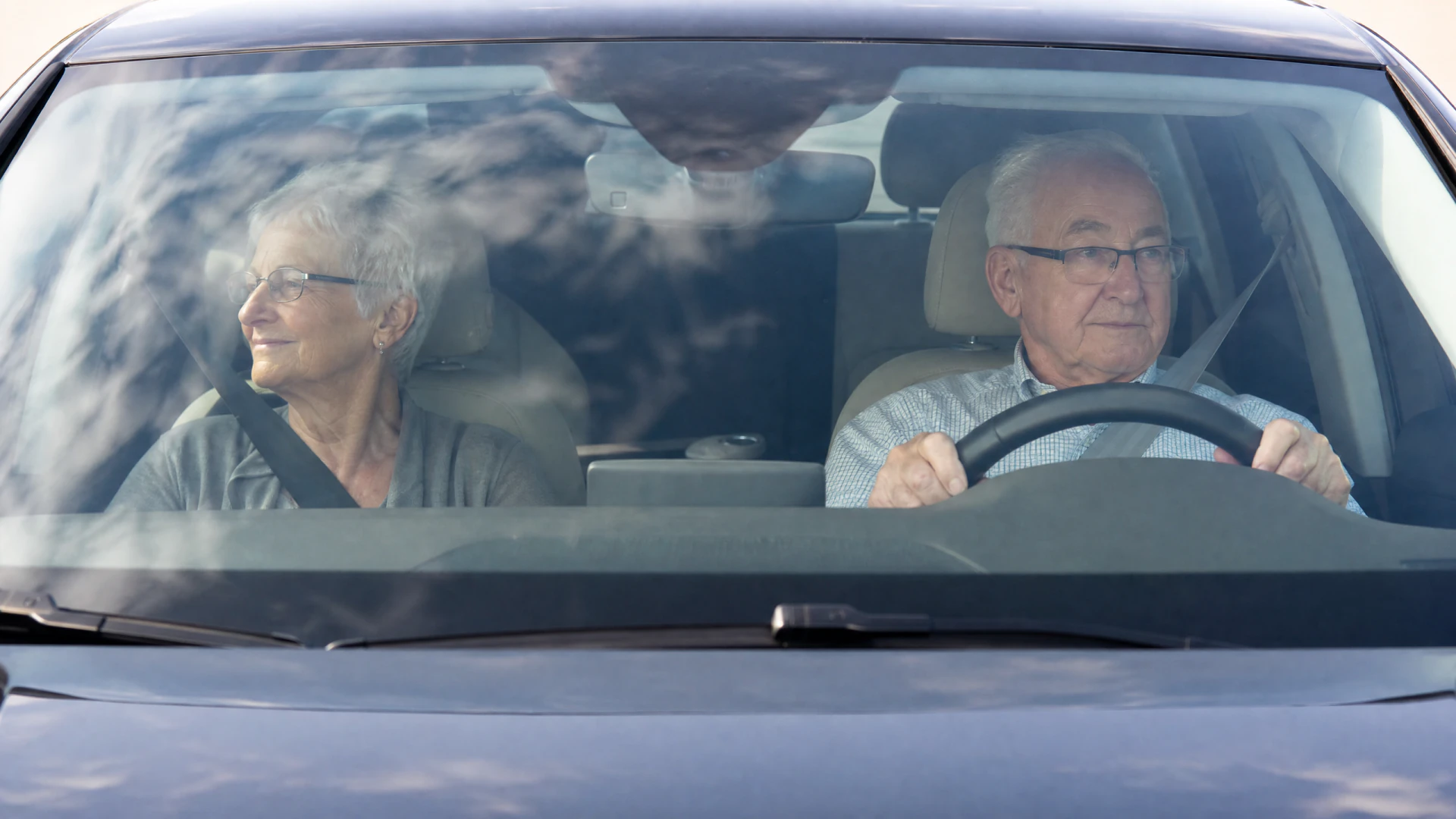
Find your insurance card or policy paperwork and confirm whether roadside assistance is included, and save that number in your phone before your next trip. If it isn't included, decide now whether to add it or rely on a membership service, rather than figuring it out on the shoulder of a highway. Pack a flashlight, water, and hazard triangles in the trunk if they aren't already there. Before a long trip, check that your spare tire has air and that you know where the jack is, since a breakdown is a worse time to learn either. If you're driving with an older parent or a passenger who can't easily get out of the car, talk through the plan ahead of time so everyone knows to stay buckled in and wait rather than step out onto the shoulder.