Is Roadside Assistance Included in Full Coverage Insurance
Full coverage covers damage to your car, not a tow truck or a jump start, unless you added roadside assistance separately.
No, you have to add it yourself
Full coverage means you have both liability and the coverage that protects your own car, usually comprehensive and collision. It says nothing about getting towed or jump started. Roadside assistance is its own coverage, and most insurers sell it as an optional add-on for an extra cost on top of your premium.
Some older drivers already have roadside help through another source, like a membership club or a benefit that came with their car when it was new. If that's you, adding it again through your auto policy would be paying twice for the same thing. Check what you already have before you assume you need more.

What your policy actually lists
The only way to know for sure is to look at your policy declarations page or call your insurer and ask directly whether roadside assistance, sometimes called towing and labor coverage, is listed as part of what you're paying for. Don't assume based on what full coverage usually includes elsewhere, because insurers differ on this.
If it's not listed, you can usually add it at any point, not just at renewal. Ask what it covers. Some versions only pay for a tow to the nearest shop. Others include a jump start, a flat tire change, or fuel delivery if you run out.
If you're on a long-term policy, check whether the roadside add-on renews automatically with the rest of your coverage or whether it was a one-time addition that dropped off at some point. It's worth asking the question even if you're sure you added it years ago.
Why this matters more as a car ages
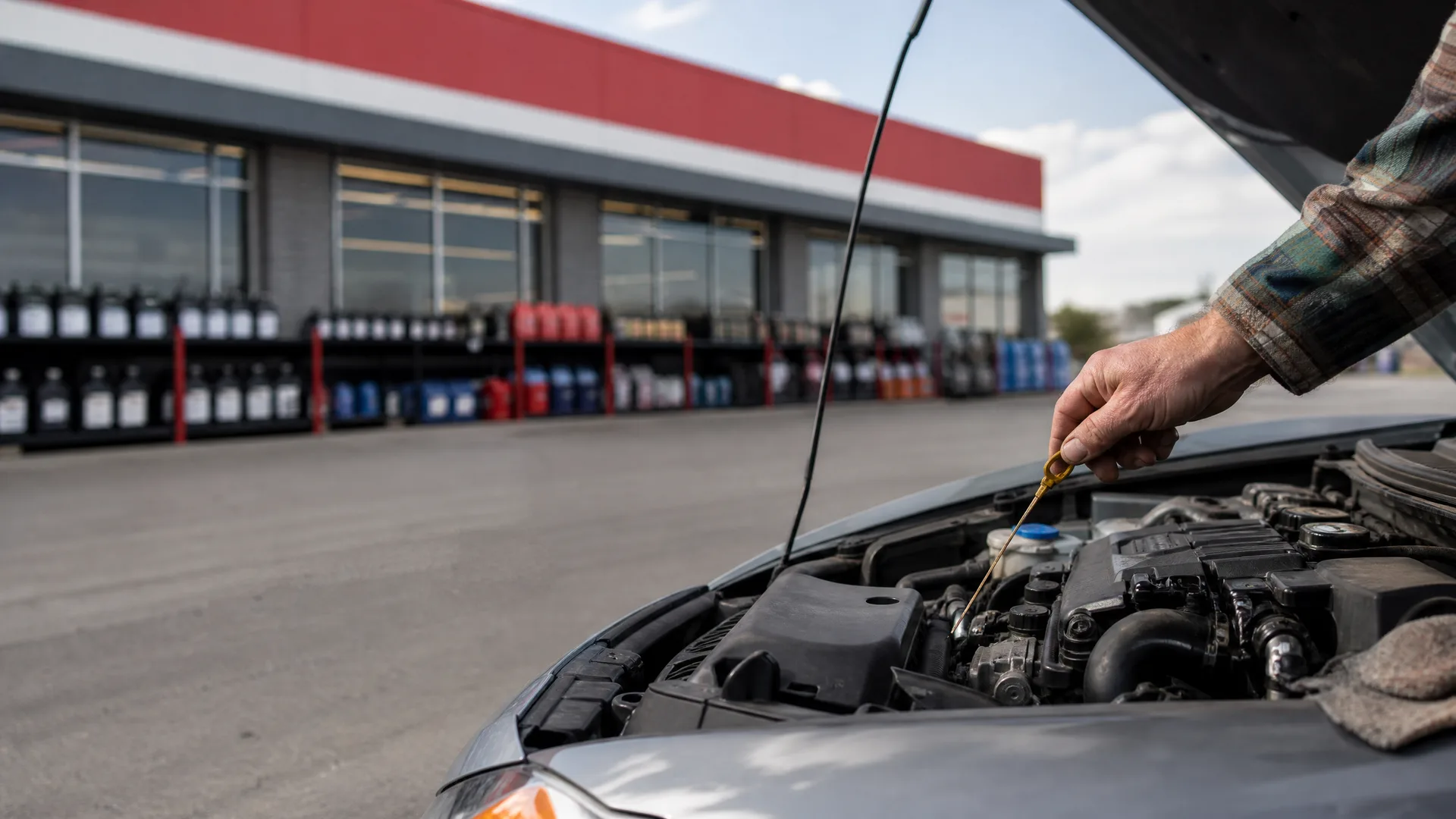
A car that's older is more likely to need a tow for something other than an accident, like a dead battery or a flat that can't be fixed on the roadside. If your car is getting up there in age, roadside assistance through your insurer can be worth more to you than it was when the car was newer.
One thing to watch is how roadside assistance is billed. Some insurers have you pay for the tow or service up front and then reimburse you after you submit a claim. Others dispatch a provider directly and bill the insurer. Ask which way yours works so you're not caught without a way to pay on the spot.
Also ask whether using roadside assistance counts against you the way a regular claim might. Policies vary on this, and it's worth confirming with your own insurer rather than assuming it works the same as an accident claim.
Questions people ask about this
Does roadside assistance cover a flat tire?
Most roadside assistance plans cover changing a flat tire if you have a spare, though some will also cover a tow to a shop if you don't. Check your specific plan, since the details vary by insurer.
Can I add roadside assistance without full coverage?
In most cases yes, roadside assistance is sold as its own add-on and doesn't require you to carry comprehensive or collision coverage. Ask your insurer whether it's available with the coverage you currently have.
Does using roadside assistance raise my insurance rate?
It depends on the insurer and how the service is recorded on your account. Ask directly whether a roadside assistance call is treated as a claim that could affect your rate at renewal.
What's the difference between roadside assistance and towing coverage?
They're often the same thing sold under different names, but some policies separate towing and labor coverage from a broader roadside assistance package that includes things like lockout help or fuel delivery. Read the description in your policy rather than going by the name alone.
Is roadside assistance worth it for an older car?
It often makes more sense for an older car, since mechanical trouble becomes more likely over time. Weigh the cost of the add-on against what a single tow would cost you out of pocket in your area.
See what roadside assistance would cost added to your policy, and compare that against going without it.
Pull out your current policy or log into your insurer's website and look at what's listed under your coverages. If you don't see roadside assistance or towing and labor coverage named anywhere, call your agent or insurer and ask plainly whether you have it. If you don't, ask what it would cost to add and what exactly it covers, including how many calls a year are allowed and whether you pay up front. Before you add it, check whether you already have roadside help through a membership or your car's manufacturer, so you're not paying for the same thing twice.