Roadside Assistance Coverage for Seniors
Roadside assistance coverage pays for help when your car won't move on its own, like a tow, a jump start, or a locksmith, no matter whose fault it is.
What roadside assistance pays for
Covers
- Towing to a shop If the car won't start or isn't safe to drive, it gets towed to a repair shop or dealer you choose.
- Jump starts A dead battery gets a jump on the spot so you can get moving or get to a shop.
- Flat tire changes Someone comes out to put on your spare, or tows you if there's no usable spare.
- Lockout service If you're locked out or lost your keys, a locksmith or technician gets you back in.
- Fuel delivery If you run out of gas, someone brings enough to get you to the nearest station.
- Winching or extraction If you're stuck in snow, mud, or a ditch, a tow truck pulls you back onto the road.
Doesn't cover
- Repair costs This pays to get the car moved or started, not to fix whatever is actually wrong with it. Repairs come out of your own pocket or a warranty.
- Damage from an accident If a crash leaves the car undrivable, that tow and the vehicle damage fall under your collision coverage instead.
- A rental car Getting you a car to drive while yours is in the shop is a separate coverage, usually called rental reimbursement.
- Routine maintenance Things like an oil change, new brakes, or a scheduled service visit have nothing to do with this coverage.
- Unlimited tows Most policies cap how many times you can use this in a given period, so it's built for occasional trouble, not frequent breakdowns.
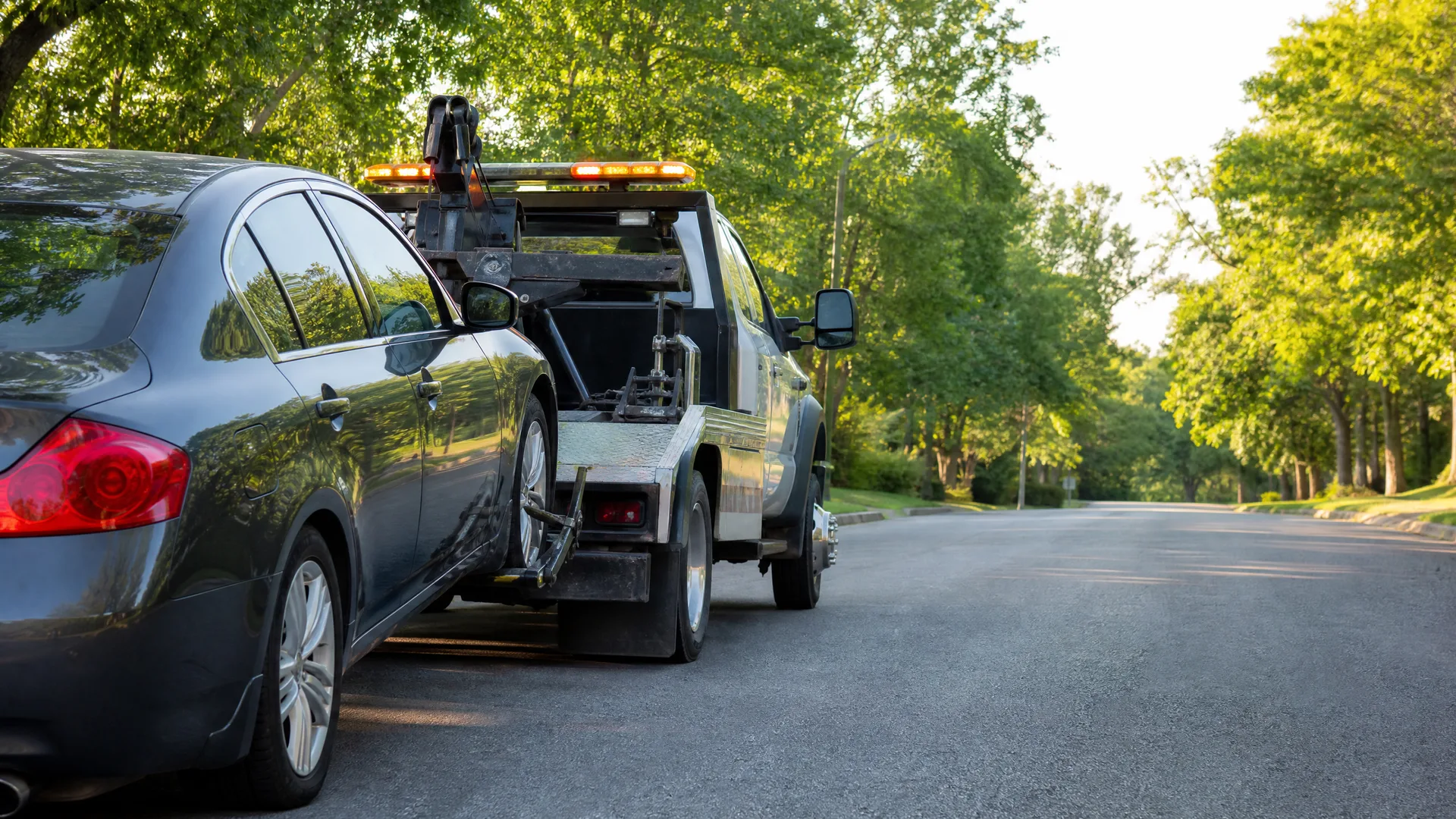
For most older drivers, it's worth keeping and often worth adding
This is one of the cheapest lines on a policy, and the value isn't really about the money, it's about not having to stand on the shoulder of a road figuring out who to call. That matters more as the car ages and more as you do.
If your car is older and mostly paid off, you might be carrying less collision or comprehensive coverage already, which makes this one of the few coverages still doing real work on that policy. A breakdown doesn't care what the car is worth.
Think about where you actually drive. If most of your trips are short and close to home, the risk is lower, but it's never zero, and a stall in a parking lot at night is still a stall. If you take longer trips to see family or drive through stretches with no cell service, that's exactly when you don't want to be guessing who to call.
It's also worth asking what you'd actually do without it. Some drivers have a membership through another source that already covers towing, and paying for this on top of that is just paying twice for the same thing. If you don't have that, this coverage is the backup.
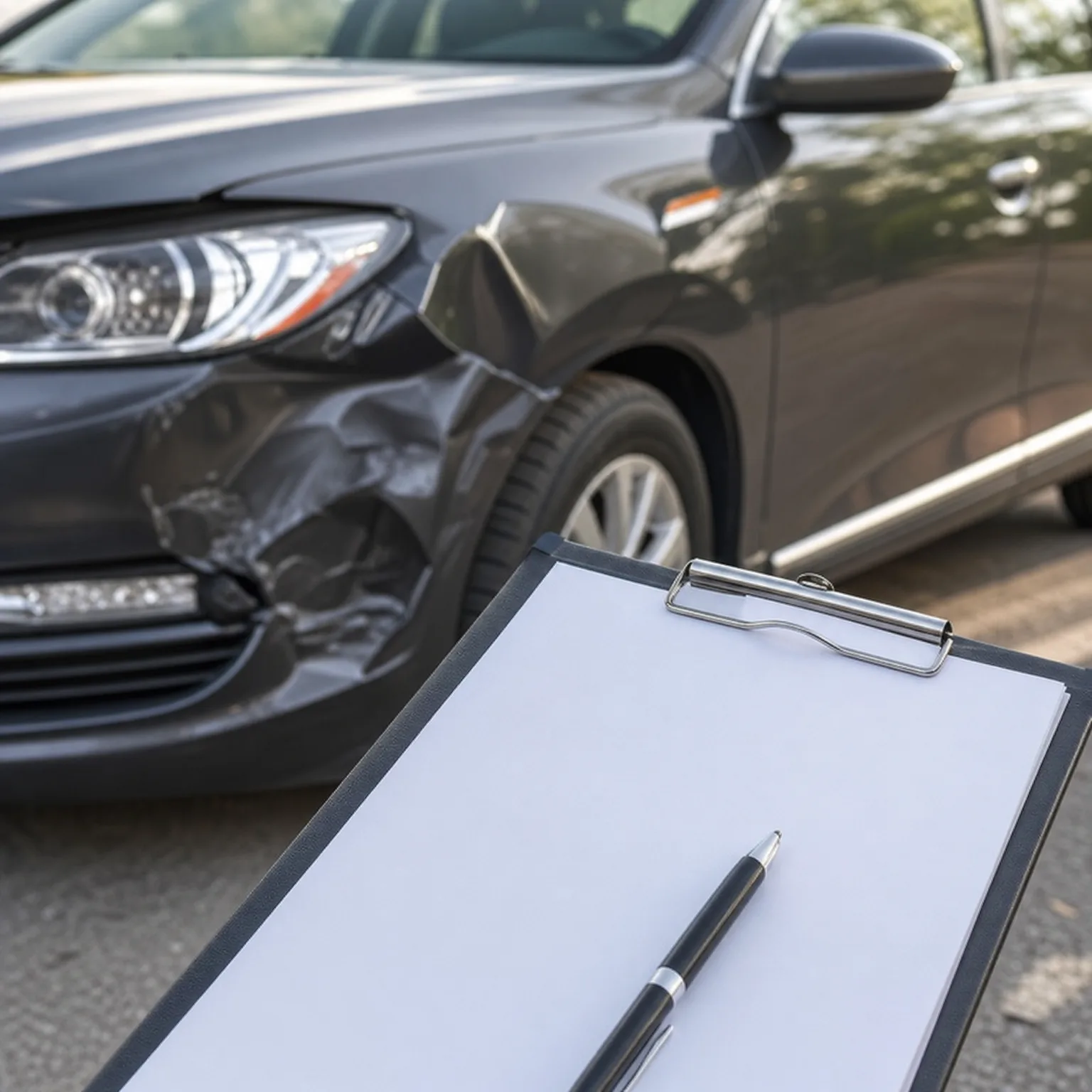
How a roadside claim actually goes
There's usually no deductible on this coverage, since it isn't paying for damage, it's paying for a service call. You call the number on your card or app, explain where you are and what's wrong, and a truck or technician gets sent out.
The payment covers the cost of that service call directly, the tow, the jump, the tire change, so in many cases you don't pay anything up front at all. What it won't cover is the cost of whatever repair comes next once the car reaches the shop.
Have your location, your policy information, and a description of the problem ready when you call. If you're on a highway or somewhere unsafe, say so, since that can change how quickly help gets sent and where they tell you to wait.
Keep any receipt if you end up paying out of pocket in a situation where you arranged your own tow, since some policies will reimburse you for that if you ask.
Roadside assistance vs. rental reimbursement
Roadside Assistance
This pays for getting your car moving again or getting it to a shop when it breaks down or you're stuck. It doesn't help once the car is actually in the shop.
Rental Reimbursement
This pays for a car to drive while yours is being repaired after a covered claim. It picks up exactly where roadside assistance leaves off.
If you depend on your car daily and couldn't easily go without one for a few days, rental reimbursement is worth pairing with roadside assistance.
Real situations
Your car won't start in a grocery store parking lot on a hot afternoon and you suspect the battery.
This pays for the jump start or tow, since it's a breakdown, not an accident.
A deer runs into the road at dusk and your car is drivable but the fender is badly dented.
This can pay for the tow if needed, but the dent itself is handled under your comprehensive coverage.
You forgot to get gas and the car sputters to a stop a few miles from home.
This pays to have fuel brought to you so you can get back on the road.
Once you know whether to keep, add, or skip roadside assistance, you're ready to compare quotes with that answer already settled.
Questions people ask about this
Does roadside assistance cover my car if someone else is driving it?
Yes, in most cases the coverage follows the car, not the driver, so it applies no matter who's behind the wheel with your permission. Check your policy to confirm, since some policies tie it to a specific driver instead. If a family member borrows the car often, it's worth asking your agent to be sure.
Can I use roadside assistance in someone else's car?
Sometimes, since some policies attach the benefit to you as a person rather than to the vehicle. This varies by policy and is worth checking before you assume it applies. If you often ride in or borrow a relative's car, ask whether your coverage travels with you.
What happens if I need roadside help far from home?
It generally still applies, since this coverage isn't limited to your local area. Distance limits on towing can still exist, so check how far a single tow is covered before you assume the whole trip is included. This matters most for longer road trips.
Is roadside assistance cheaper through my auto insurer or somewhere else?
It depends, since some drivers already have a similar benefit through another membership or program. Compare what each option actually includes rather than just the cost, since the services and limits aren't always the same. Paying for two overlapping memberships is the thing to avoid.
Will using roadside assistance raise my insurance rate?
Usually not, since it's a service call rather than a paid claim for damage. This can vary by insurer, so it's reasonable to ask directly how they treat these calls. Most drivers can use it occasionally without it affecting their rate at renewal.