What Causes a Car Battery to Die Quickly
A battery usually dies quickly because something is draining it when the car is off or it can no longer hold a charge.
The short trips and the battery's age are the usual causes
A battery that dies fast is either being drained by something, or it's worn out and can't hold the charge it used to. Short drives don't let the alternator fully recharge the battery, so it starts each trip a little weaker than the last. Leaving a dome light, a phone charger, or an alarm system draw power overnight does the same thing faster.
Age works against the battery on its own. Most batteries weaken steadily over years of use, and once they pass a certain point they can't hold a full charge even with normal driving. Cold weather makes a weak battery's problem obvious because cold slows the chemical reaction that produces current.
How you drive matters more than most people realize
Every time you start the car, you pull a large amount of power from the battery. The alternator is supposed to put that power back as you drive. On a short trip to the store or a quick school run, it often doesn't get the chance.
If most of your driving is under fifteen minutes, your battery may spend its whole life slightly undercharged. That shortens its working life even if nothing else is wrong with it.
A longer drive once a week, even just running an errand that takes you on the highway for a stretch, gives the alternator time to bring the battery back up. It's a simple way to tell whether your driving pattern is part of the problem.
If the battery dies even after a week where you drove normally, the cause is more likely the battery itself or something drawing power when the car is parked.
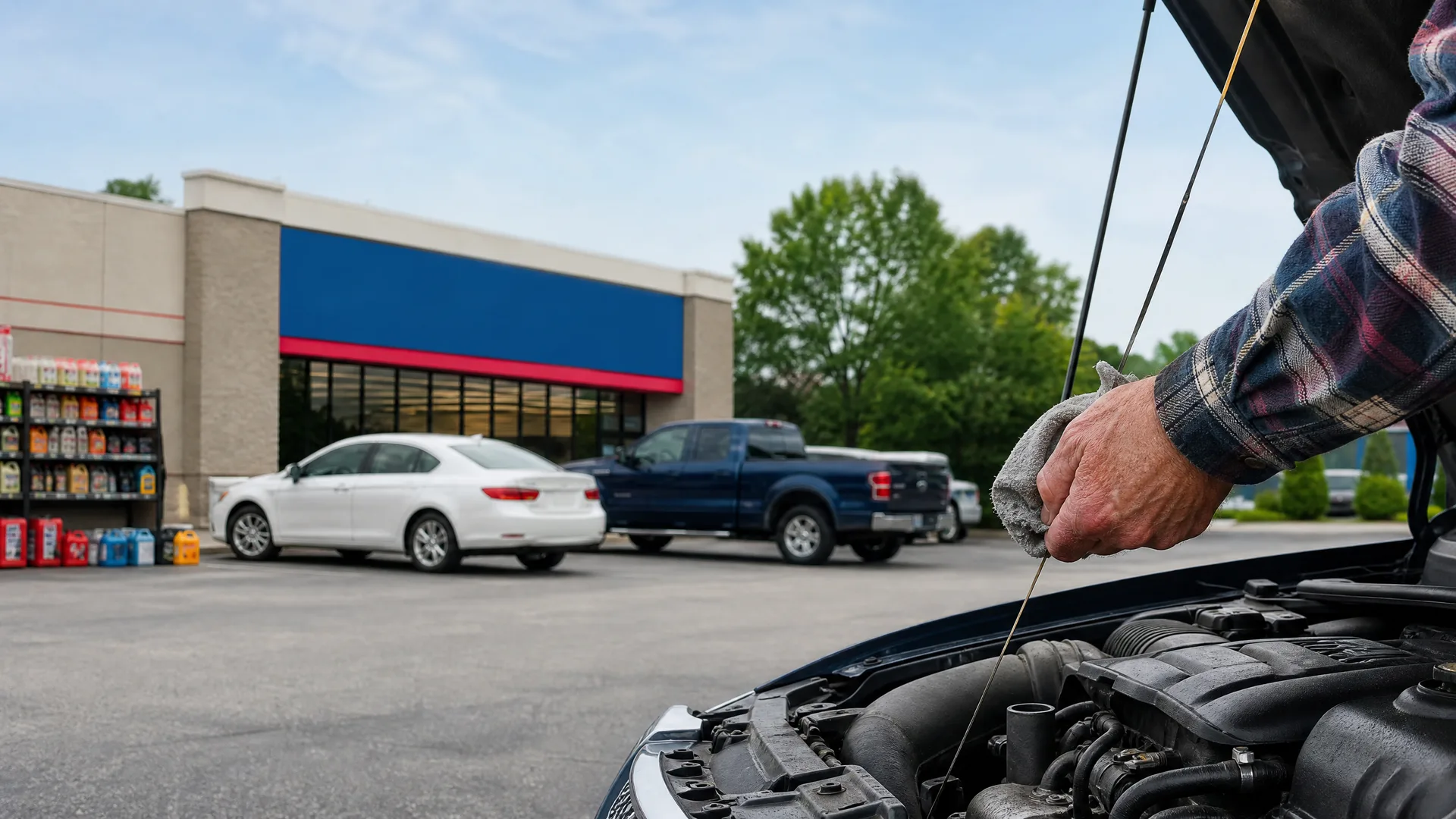
Something drawing power while the car is off
A battery that's fine when you drive it but dead the next morning is usually being drained by something you can't see. A trunk light that doesn't shut off, an aftermarket stereo or alarm wired in without a proper cutoff, or a phone charger left plugged into a powered outlet can all pull a small current all night.
This kind of drain is called a parasitic draw, and it's worth asking a mechanic to test for one if your battery keeps going flat overnight. They can measure how much current is being drawn with the car off and trace it to the source.
A battery that's simply old will drain in a different pattern. It loses charge gradually over days, not overnight, and it struggles most in cold weather or after it's sat unused for a while.
Testing the battery itself, which most auto parts stores will do for you, tells you whether it's holding a charge the way it should. That test rules the battery in or out before you spend time chasing a wiring problem.
Questions people ask about this
How often should a car battery be replaced?
There's no fixed schedule because it depends on the battery, the climate, and how the car is driven. A battery that's tested and shows it's losing capacity should be replaced regardless of how old it is. Ask the shop that tests it what reading they got and whether it's still within a usable range.
Can a bad alternator cause a dead battery?
Yes, if the alternator isn't charging the battery properly while you drive, the battery will drain even with normal use. A mechanic can test the alternator's output separately from the battery to see which one is at fault. If the battery tests fine but keeps dying, the alternator is a reasonable next thing to check.
Does cold weather kill car batteries?
Cold weather doesn't kill a healthy battery, but it makes a weak one fail. Cold slows the chemical reaction inside the battery that produces current, so a battery that was barely getting by in warm weather often won't start the car once temperatures drop.
Will leaving my car unused for a while drain the battery?
Yes, a battery loses charge slowly even when the car is just sitting, and an older battery loses it faster. If you know the car will sit for more than a couple of weeks, disconnecting the battery or using a trickle charger keeps it from going flat.
Does a dying battery affect my car insurance?
A dead battery itself isn't an insurance matter, but it's worth checking what your policy covers if it leaves you stranded. Some policies include roadside assistance or towing coverage and some don't, so check your policy documents or ask your insurer directly.
If your battery troubles have you thinking about what your policy actually covers, it's worth comparing what's out there.
Get the battery tested at an auto parts store or a mechanic this week, most will do it free and tell you the reading on the spot. If it tests weak, replace it before it strands you somewhere inconvenient. If it tests fine but still dies, ask about a parasitic draw test to find what's pulling power overnight. Keep a note of how the car has been driven lately, short trips or long, since that helps whoever's diagnosing it narrow down the cause. And if you're not sure what your insurance covers if you do get stranded, pull out your policy or call your insurer and ask.