What Kills a Car Battery the Most
Short trips and a car left sitting both drain a battery faster than one long drive ever will.
Short, infrequent drives are the most common cause
A battery charges while the engine runs. A short trip to the store or a few minutes idling in the driveway doesn't give the alternator enough time to replace what the starter used, so the battery slowly runs down trip after trip. Cars that sit unused for long stretches fail the same way, just faster, because nothing is charging them at all.
Cold weather makes a weak battery's problem show up sooner, but it rarely causes the problem on its own. A battery that was already losing capacity will struggle to start on a cold morning. A battery in good condition usually won't.
How you use your car changes how long the battery lasts
Someone who drives mostly short errands, or who parks a second car for weeks at a time, is going to replace batteries more often than someone with a longer daily commute. There's no way around this with a better battery alone. The pattern of use is what matters.
If your car sits for more than a week or two at a stretch, that's worth planning around. A trickle charger or battery maintainer keeps the charge steady while the car is parked, and it costs far less than a tow or a jump start on the morning you need the car.
If you notice the engine cranking slower than usual before it starts, that's the battery telling you it's losing capacity. Most batteries don't fail without warning. They fail a little more each week until one morning they don't have enough left.
What's left running when the car is off
Interior lights, a phone charger left plugged in, a dash cam set to record while parked, these all pull a small amount of power even with the engine off. On a car driven often, the alternator makes up the difference. On a car that sits, that small draw is enough to empty a battery over days or weeks.
Age matters too, separate from how the car is driven. A battery loses the ability to hold a full charge over time, and once it's a few years old, the same short trip that never bothered it before can leave it too low to start the car. Most auto parts stores will test a battery's condition for you, and it's worth doing before you assume a dead start means something more expensive is wrong with the car.
Questions people ask about this
How often should I start my car to keep the battery charged?
Starting the car isn't what charges the battery, driving it is. Idling in place for a few minutes helps a little but a drive of at least fifteen to twenty minutes gives the alternator real time to recharge what the battery used to start the engine. If your car sits most of the week, a battery maintainer does this job more reliably than remembering to start it.
Can a bad alternator drain a battery?
Yes. The alternator is what recharges the battery while you drive, so if it's failing, the battery can run down even on a car driven regularly. A sign of this is a battery that keeps going dead after being replaced. If a new battery won't hold a charge, the alternator or the charging system is worth checking before buying another battery.
Does leaving the lights on really kill the battery that fast?
Headlights left on can drain a battery within a few hours, especially overnight. Interior lights and smaller accessories take longer but will do the same thing eventually. Most newer cars shut headlights off automatically after a set time, but it's worth checking whether yours does before assuming it will.
Is it bad for the battery to disconnect it when storing a car?
Disconnecting the battery stops the small, ongoing draw from the car's electronics, so it's a reasonable way to protect a battery during long storage. It does mean the car will lose settings like the clock and radio presets. A battery maintainer left connected does the same job without needing to disconnect anything.
How do I know if it's the battery or the starter?
A battery that's dying usually makes the engine crank slowly before it fails to start. A failing starter tends to cause a click with no crank at all, or no sound. If jump-starting the car works and it runs fine afterward, the battery was likely too low to begin with. If jumping it doesn't help, the problem is more likely the starter or another part of the charging system.
If you're dealing with repeated breakdowns or a car that's had starting trouble, it's worth seeing what that's doing to your insurance options.
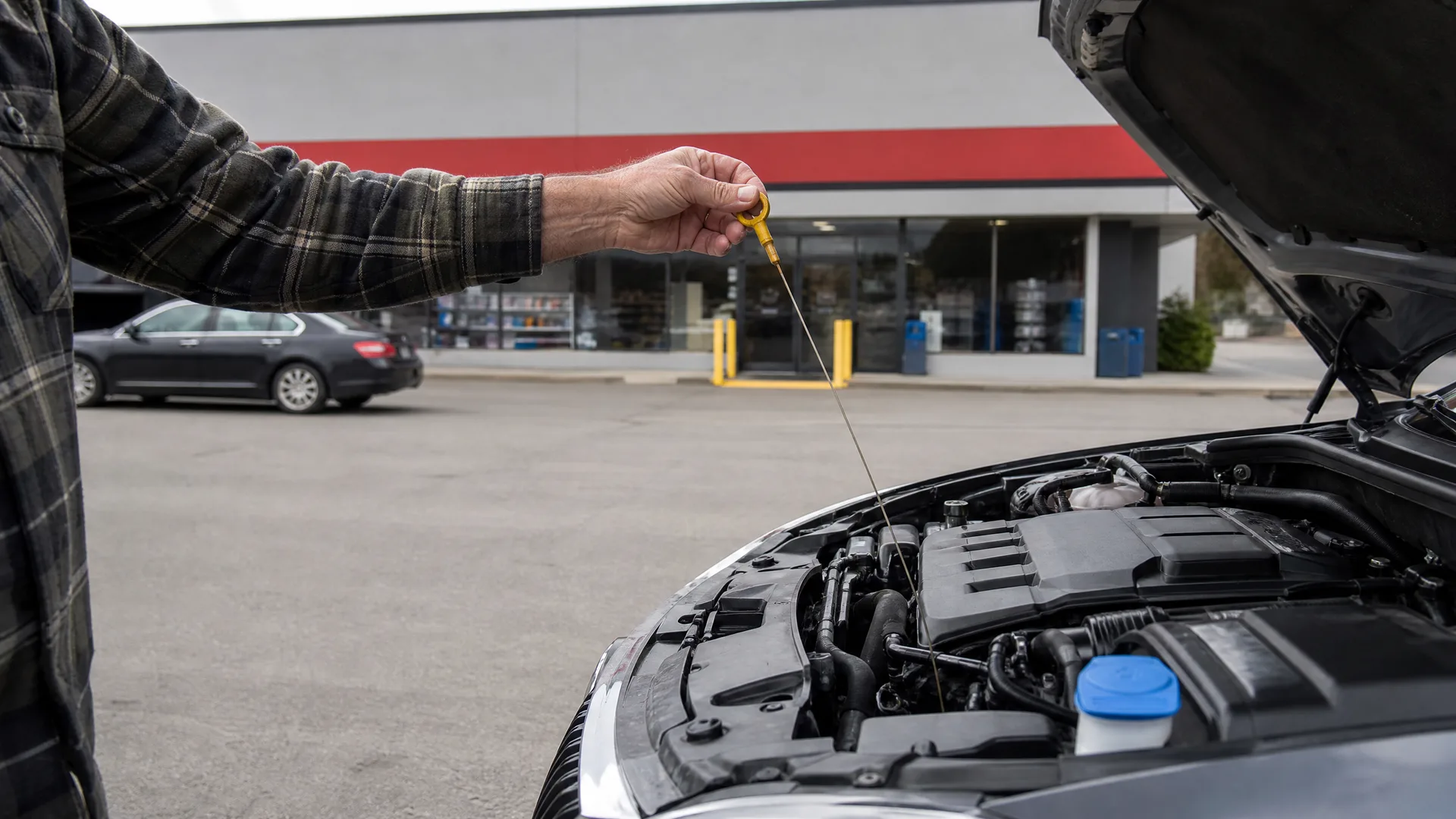
If your car has been slow to start, have it tested before it strands you somewhere inconvenient. Most auto parts stores will check a battery's condition for free, and it takes a few minutes. If you're storing a car or driving mostly short trips, pick up a trickle charger or battery maintainer now rather than after the next dead start. Keep a note of how old the battery is, since age alone is useful information when you're troubleshooting a slow start later. And if a dead battery has led to a tow, a jump from a stranger, or any kind of claim, mention it when you're comparing insurance quotes so you understand how it's being treated.