
What Drains a Car Battery When the Car Is Off
A battery drains when something keeps pulling power after the car is off, whether that's a light left on, a fading battery, or a component that never fully shuts down.
Most of the time, something stayed on
A battery drains while the car is parked because something is still drawing current. Sometimes it's obvious, like a dome light or a glove box light that didn't shut off. Sometimes it's a device plugged into a power outlet. And sometimes it's a small current that every car draws even when it's off, to keep the clock, the alarm, and the computer memory running.
That last kind of draw is normal and small. It only becomes a problem when the battery is already weak, or when something else is drawing far more current than it should. A battery that's several years old can lose its capacity to hold a charge, so a draw it used to shrug off is enough to leave it dead by morning.
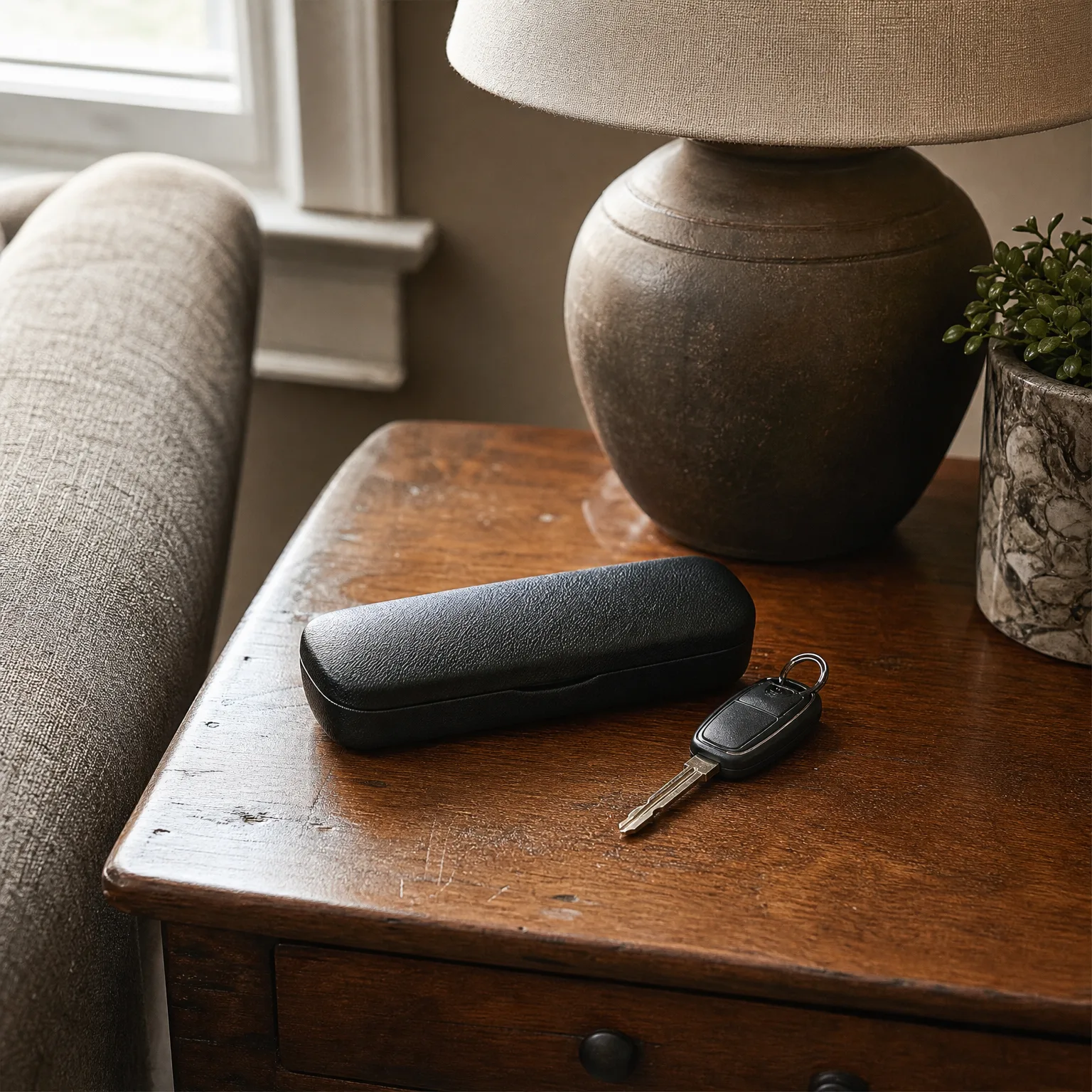
The age and condition of the battery changes everything
A new battery can absorb a fair amount of parasitic draw and still start the car the next morning. An older one can't. If the battery is old enough that it's due for replacement, the same draw that was harmless for years can suddenly drain it overnight.
Cold weather makes this worse. A battery that's marginal in mild weather often fails outright once temperatures drop, because cold reduces how much charge a battery can deliver even before anything is pulling on it.
If the car has needed a jump more than once recently, the battery itself is worth checking before you go looking for a wiring problem. Most auto parts stores will test a battery's condition, and that takes the guesswork out of whether the battery or the draw is the real issue.
If the battery tests fine, that points you toward something in the car's electrical system pulling current it shouldn't.

What's actually pulling the current
Interior lights, trunk lights, and glove box lights are the most common culprits, because a door or latch sensor can fail and leave the light thinking a door is open. A phone charger or dash cam left plugged into a power outlet can also draw power continuously, even with the car off.
Beyond that, some components are designed to stay partly active after the car shuts off, like an alarm system, a remote start module, or a infotainment system finishing a shutdown routine. These are supposed to draw very little. When one of them malfunctions, the draw can jump to something a battery can't sustain overnight.
A mechanic can measure this directly with a multimeter, checking how much current the car draws with everything off. That test will tell you whether the draw is normal or not, which is hard to know just by guessing based on symptoms.
If the drain started right after you had something installed, like an aftermarket stereo, alarm, or remote starter, that installation is the first place to look.
Questions people ask about this
How can I test my car battery myself at home?
You can check a battery's voltage with an inexpensive multimeter, with the car off and the engine not run for a few hours. A healthy, fully charged battery reads a certain resting voltage, and a low reading suggests the battery isn't holding charge well. For a full test of its capacity, an auto parts store or mechanic can run a load test, which tells you more than voltage alone.
Will disconnecting the battery stop it from draining?
Disconnecting the negative terminal stops the drain while the car sits, since it breaks the circuit entirely. That's a reasonable step if you're storing a car for a long stretch, but it also resets the clock and some memory settings, and it doesn't tell you what was causing the draw in the first place.
How do I find a parasitic draw without a mechanic?
You can do it with a multimeter set to measure current, connected in place of the negative battery cable, then pulling fuses one at a time to see which one drops the draw. It takes patience and the car needs to be fully shut down and left to settle first. Many people find it easier to have a shop run this test, since the method is finicky to do correctly.
Can a bad alternator cause the battery to die when parked?
A failing alternator usually shows up while driving, not while parked, since its job is to recharge the battery as you drive. But if the alternator isn't fully charging the battery during trips, the battery can start a parked period already low, making a normal parasitic draw enough to finish it off overnight.
How often should I replace my car battery?
There's no single answer, since it depends on the battery, the climate, and how the car is driven. A battery that's tested and found weak should be replaced regardless of its age. If you're unsure how old yours is, the battery itself usually has a manufacture date stamped on it.
If a weak battery keeps leaving you stranded, it's worth seeing what switching insurers could save you toward a replacement.
Start by having the battery load tested at an auto parts store or mechanic, since that tells you whether the battery itself is the problem before you spend time chasing a draw. If the battery tests fine, ask a mechanic to measure the parasitic draw with the car fully off, which will point to the specific component responsible. Note when the problem started, especially if it followed any new accessory or aftermarket installation, since that narrows the search considerably. In the meantime, keep an eye on interior lights and anything plugged into a power outlet before you lock up for the night.