What to Do if Your Car Broke Down in the Middle of Nowhere
Get your car off the road and yourself somewhere safe first. Figure out towing and insurance after that.
Get safe before you worry about the car
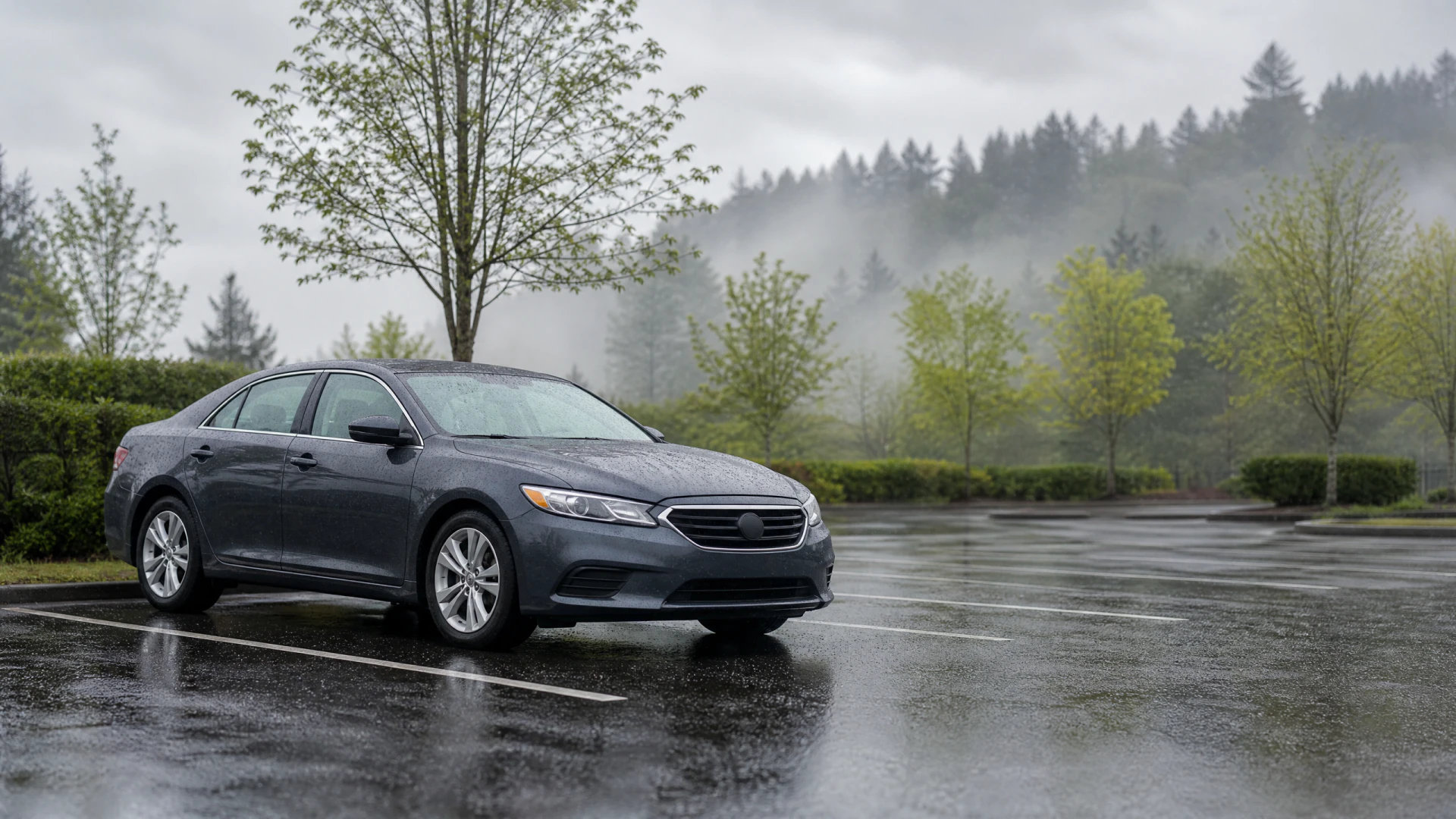
Pull as far off the road as you can, turn on your hazard lights, and stay inside the car with your seatbelt on if you're near traffic, or get well away from the road if you're not. Call for help before you try to flag anyone down or walk for assistance.
Once you and anyone with you are safe, the next call depends on what coverage you have. If you have roadside assistance through your insurer, a separate roadside plan, or coverage that came with your car, that's who tows you. If you don't, you're looking at calling a local tow company or, if you're truly out of range, a state police non-emergency line, who can often tell you who serves that stretch of road.
Whether you have roadside assistance changes everything that happens next
If roadside assistance is part of your policy or a separate plan, your first call is to that number, not to a tow company you find yourself. They dispatch someone, and depending on your plan, the tow to the nearest shop is covered or close to it.
If you don't have it, you're paying for the tow yourself and choosing the company yourself, which matters more in a remote spot because tow companies that cover long distances charge more, and a company found through a panicked search at the side of the road isn't always who you'd pick with time to think.
This is worth sorting out before you're in this situation. Check your policy documents or call your insurer and ask directly whether roadside assistance is included, and if it isn't, ask what it would cost to add. Some credit cards and auto clubs include it too, so check those as well.
If you're not sure you have it, check your glovebox or your phone for a roadside number before you assume you need to find a tow company cold.
Where you are decides how long you're waiting and what you should do while you wait
A breakdown on a highway with steady traffic is a different situation than one on a back road with no cell signal and no one passing. If you have signal, call for help and tell them exactly where you are, using mile markers, cross streets, or whatever landmarks you can see, since a tow truck that can't find you adds hours to the wait.
If you don't have signal, don't wander far from the car looking for it. A car is easier for someone to spot than a person walking along a road, and if someone does come by, you're there to flag them down.
While you wait, stay visible if it's getting dark, with hazards on and, if you have one, a reflective triangle or flares set up behind the car. If it's very hot or very cold, run the engine in short stretches rather than continuously, and make sure your exhaust pipe isn't blocked by snow or dirt if you're staying in the car with it running.
If you're regularly on remote roads, it's worth keeping water, a blanket, and a flashlight in the car, since these are the things that matter most in the actual wait, not after.
Questions people ask about this
Does car insurance cover towing if I break down?
Only if you have roadside assistance or a specific towing coverage added to your policy. Standard liability or even full coverage insurance doesn't automatically include towing unless you've added it. Check your policy or call your insurer to see what you're actually covered for.
What number do I call if I break down and have no roadside assistance?
A local tow company if you can find one, or a state police non-emergency line if you're in a truly remote area and need help identifying who serves that road. They won't tow you themselves in most cases, but they can often point you to someone who will.
Is it safe to stay in the car after breaking down?
Generally yes, especially if you're near moving traffic, since a car is more visible and more protective than standing outside it. Keep your seatbelt on if you're close to the road, and keep hazards on so other drivers can see you.
Will my insurance rate go up after a breakdown and tow?
A breakdown itself isn't a claim against you, since it's not an accident or a fault event, so by itself it shouldn't affect your rate. If you use roadside assistance or towing coverage, using it generally doesn't count against you the way an at-fault claim would, but ask your insurer directly if you're unsure how your specific policy treats it.
What should I keep in my car in case I break down somewhere remote?
Water, a blanket, a flashlight, and a phone charger cover the basics for waiting safely. A reflective triangle or flares help you stay visible if it happens at night or on a road with limited sightlines.
If this is the kind of road you drive often, it's worth checking now whether your policy actually covers a tow when you need one.
Find your insurance policy documents or call your insurer this week and ask plainly whether roadside assistance or towing coverage is included, and what it costs if it isn't. Save the roadside number somewhere you'll actually have it, like your phone, not just the glovebox. If you drive remote roads regularly, put water, a blanket, and a flashlight in the car now rather than after you need them. And if you don't already know, ask your insurer how a tow or roadside call is handled on your policy, so you're not guessing in the moment.