What to Do If Your Car Breaks Down in Bad Weather
Get off the road, make yourself visible, stay inside the car, and call for help rather than trying to fix it yourself.
Pull off as far as you can and stay with the car
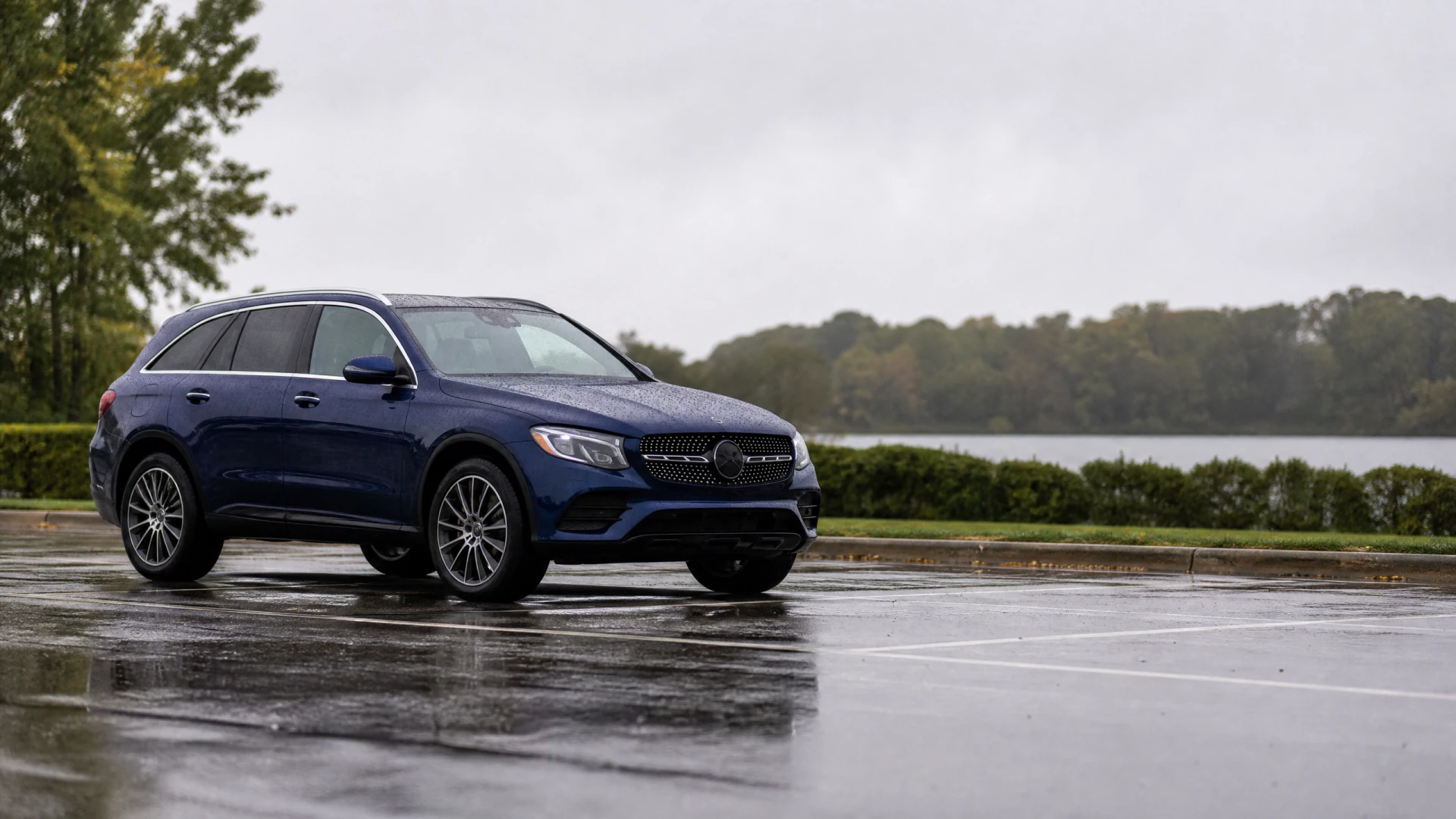
Get the car onto the shoulder or an exit, as far from moving traffic as possible, and turn on your hazard lights. If you have flares or reflective triangles, use them once you've stopped. Then stay inside the car with your seatbelt on unless staying there puts you in more danger, since a parked car is safer than standing on a wet or icy roadside.
Call for help before you try to do anything else. That might be roadside assistance through your insurer, a towing company, or in bad enough conditions, the police non-emergency line. Tell them exactly where you are and what the weather is doing, since response times change a lot in snow, ice, or heavy rain.
What kind of breakdown it is changes what you do next
A flat tire in the rain is different from an engine that's overheated in the snow, and it's different again from a car that's stalled in standing water. If you can smell burning or see smoke, get out and move away from the car. If the car has stalled in water, don't try to restart it, since that can cause more damage and the water may be deeper or moving faster than it looks.
If you're not sure what's wrong, don't guess under the hood in bad weather. Opening the hood in heavy rain or snow can make an electrical problem worse, and standing at the front of the car puts you closer to traffic. Wait for help and let a tow operator or mechanic look at it somewhere safer.
Check what your policy covers before you need it. Some policies include roadside assistance and some don't, and towing in severe weather sometimes costs more or takes longer because tow companies are handling more calls at once. Your insurer or agent can tell you what's included and what a tow in these conditions would involve.
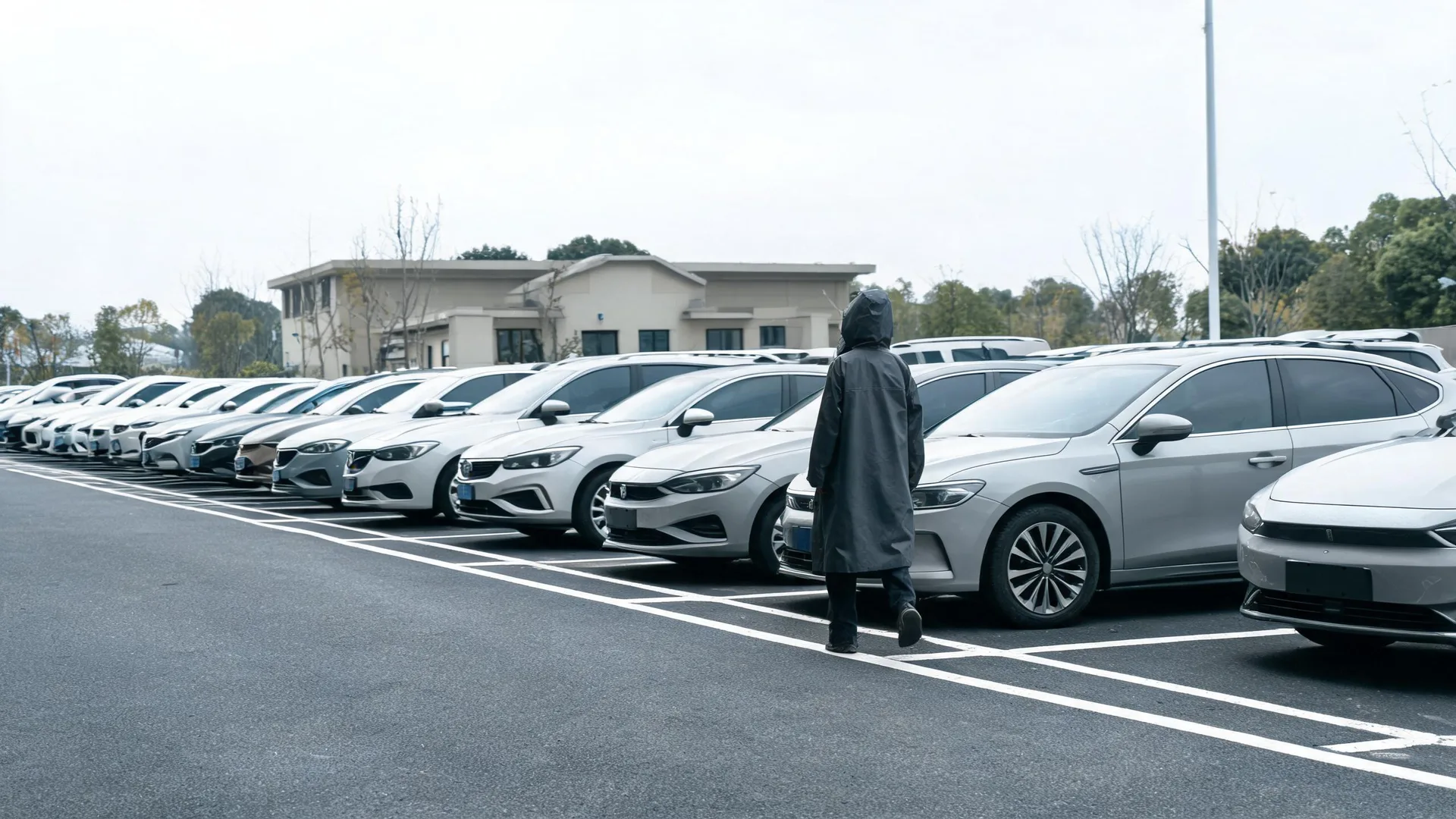
Where you've stopped matters as much as why
A breakdown on a highway shoulder is a different situation from one on a quiet side street. On a highway, the biggest risk usually isn't the weather itself, it's other cars. Keep your seatbelt on, stay as far right as you can, and if you have to leave the car, get well away from the traffic side before you do.
If you can't get fully off the road, like on a narrow bridge or a road with no shoulder, call for help immediately and keep your hazards on rather than attempting to push the car somewhere else yourself.
If you're somewhere isolated with poor cell signal, that changes what you can do. Try texting instead of calling if you have a weak signal, since texts sometimes go through when calls won't. Keep the engine running only long enough to stay warm, and make sure snow or debris hasn't blocked the exhaust pipe, since a blocked exhaust with the engine running is dangerous.
Questions people ask about this
Is it safe to stay in my car during a storm if it breaks down?
Generally yes, since the car gives you shelter and makes you visible to other drivers. The exception is if there's a specific danger nearby, like rising floodwater or a tree that looks like it could fall, in which case moving away from the car is safer than staying in it.
Will my insurance cover a tow if my car breaks down in snow or rain?
That depends on whether your policy includes roadside assistance or towing coverage, which not all policies do. Check your policy documents or call your insurer directly to find out what's included and whether weather conditions affect what they'll pay for.
What should I keep in my car in case it breaks down in bad weather?
Common items people keep are a flashlight, blankets, a phone charger, water, and reflective triangles or flares. What you actually need depends on your climate and how often you drive in remote areas, so think about your own routes rather than following a generic list.
How long does roadside assistance take to arrive in bad weather?
It varies by location, the weather itself, and how many other calls the towing company is handling at the same time. Ask the dispatcher for an estimated time when you call, and keep your hazards on and stay visible while you wait.
Should I try to fix a flat tire myself in the rain or snow?
It's usually safer not to, since changing a tire puts you close to moving traffic and slippery conditions make the job harder and riskier. Calling for roadside help is generally the safer choice when the weather is bad, even if you know how to change a tire in good conditions.
If this has you thinking about what your policy actually covers, it's worth comparing before you need to find out the hard way.
Find your insurance card or app and check whether you have roadside assistance before anything happens, not after. Save the roadside assistance number directly in your phone so you're not searching for it during a storm. Keep a small weather kit in the car with a flashlight, blanket, and phone charger. If you're not sure what your policy covers for towing or storm-related breakdowns, call your agent this week and ask them directly. And if you don't have roadside coverage at all, decide now whether you want to add it rather than deciding on the side of the road.