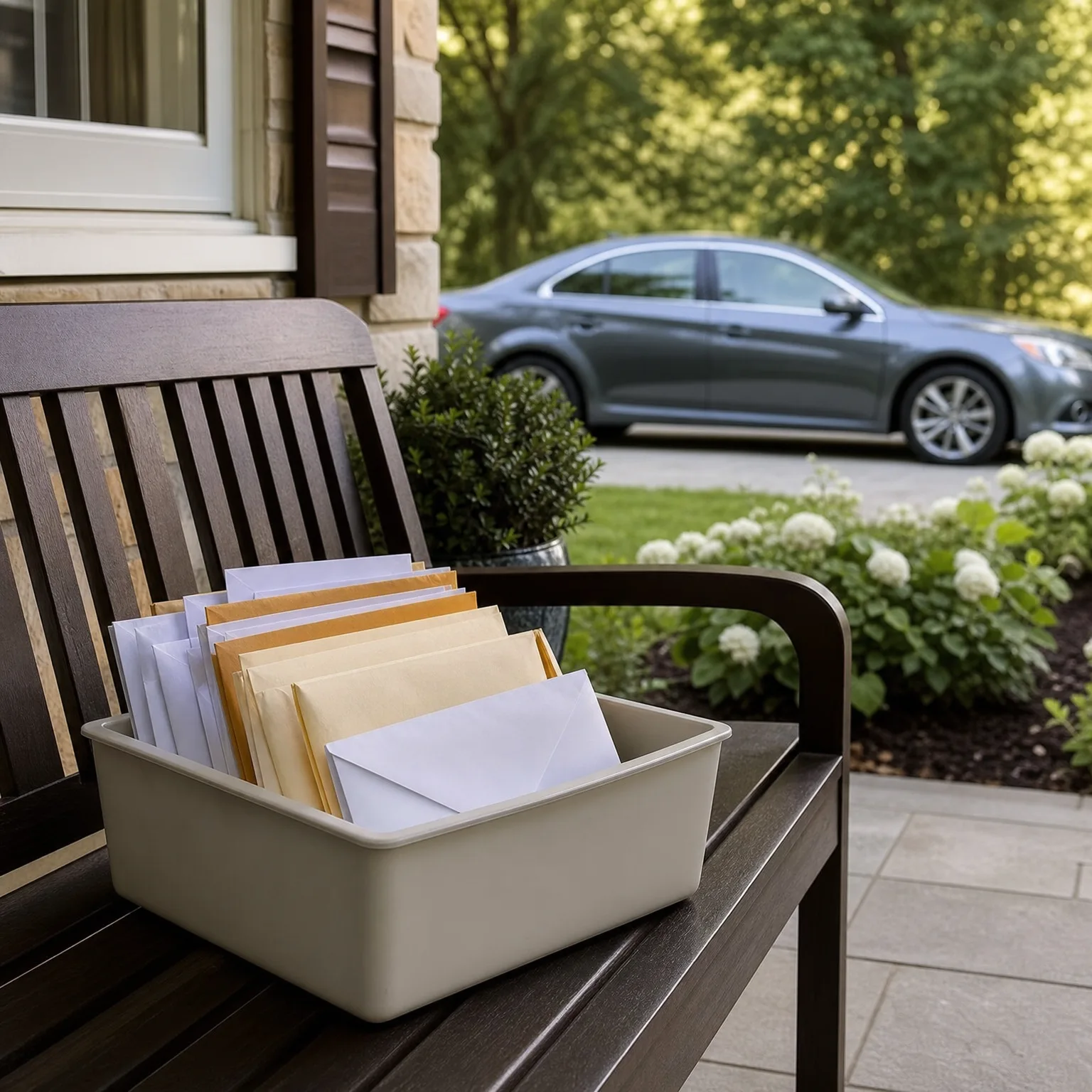
What to Pack for a Senior Road Trip
Pack for your health and your paperwork as carefully as you pack for the drive itself.
Pack your medications, your documents, and a way to handle an emergency
Bring enough medication for the whole trip plus extra days, in its original labeled containers, along with a written list of what you take and the doses. Carry your license, your insurance card, your registration, and any health insurance or Medicare card where you can reach them without digging through a bag.
Beyond that, think about what would help a stranger help you if something went wrong. A card or note with emergency contacts, any conditions a paramedic should know about, and your doctor's number costs nothing to carry and can matter more than anything else in the car.

Your health needs decide most of the list
If you take medication on a schedule, pack it where you can get to it without stopping to unpack the trunk, and keep it in its original bottles so a pharmacist or doctor elsewhere can identify it quickly. A paper list of your medications and doses, kept separate from the pills themselves, covers you if the bag is lost or the bottles get mixed up.
If you wear glasses or hearing aids, bring a backup pair or extra batteries. A long drive is a bad time to discover you only have one set of anything you need to see or hear well.
If you use medical equipment like a CPAP machine or mobility aid, plan where it rides in the car so it's not buried under luggage when you need it at a stop.
If you have a condition that could flare up on the road, like diabetes or a heart condition, pack what you'd need to manage it yourself and know the nearest hospital along your route, not just at your destination.

Your paperwork decides what happens if you're stopped or something happens
Keep your license, registration, and current insurance card together in the glove compartment, not scattered across bags. If your insurance card is digital, also carry a printed copy in case your phone is dead or unreachable.
If you're driving through multiple states, check whether your insurer requires anything different for extended trips or if your policy has any mileage or usage terms worth knowing before you leave. Ask your insurer directly if you're unsure.
Carry a copy of your vehicle's registration and proof of insurance even if they're also stored digitally. An officer or a tow company may want to see paper, and a dead phone shouldn't be the reason you can't produce it.
If you're renting a car for part of the trip, bring your own insurance card and ask the rental company how your coverage and theirs work together, since that can vary by company and by state.
Questions people ask about this
Should I tell my insurer before a long road trip?
You don't need to notify your insurer just for driving farther than usual, since most policies cover you wherever you legally drive in the country. It's still worth a call if your trip includes an unusual amount of time in another state or if you're renting a car, since rules on both can vary by insurer.
What should I keep in the car in case of a breakdown?
A phone charger, a flashlight, water, and a list of emergency contacts cover the basics for most situations. If you have roadside assistance through your insurer or a separate plan, keep that number written down somewhere you'd find it even without your phone.
Do I need travel insurance for a road trip within my own country?
Travel insurance is usually built for flights, lost luggage, and trips abroad, so it's not typically necessary for a domestic road trip if your auto and health insurance are in order. Check what your health insurance covers outside your home state, since that's the gap travel insurance would otherwise fill.
How often should I take breaks on a long drive as a senior?
This depends more on your own stamina and any health conditions than on age itself, so plan breaks around how you feel rather than a fixed schedule. Stopping to stretch, hydrate, and rest your eyes becomes more important the longer the drive goes.
What documents do I need if I'm stopped by police in another state?
Your license, registration, and proof of insurance are valid across state lines and are what an officer will ask to see. Keep them together and current, since an expired document causes more trouble than almost anything else you'd be asked for.
Before you leave, it's worth knowing your coverage still fits a trip like this.
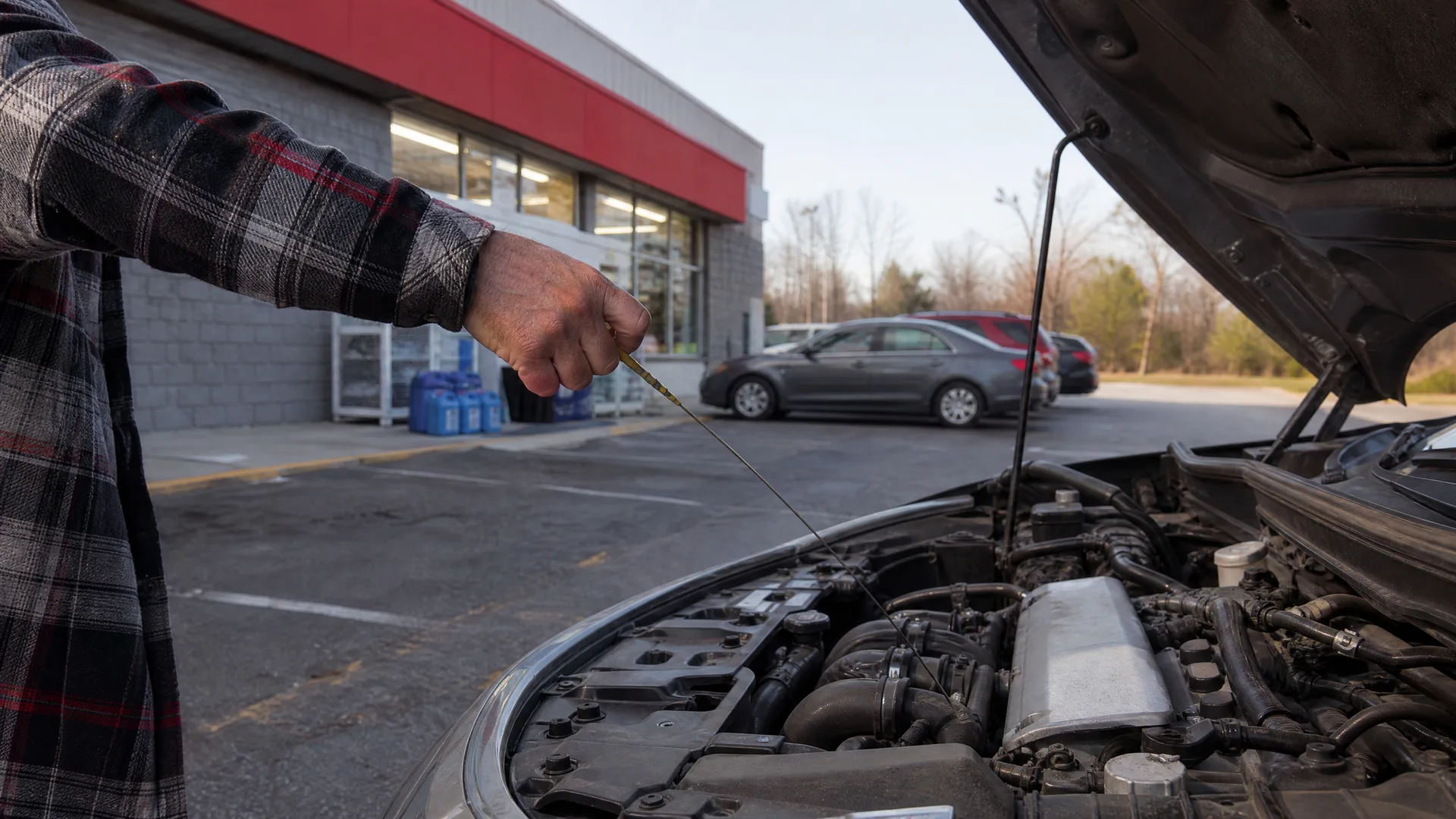
Pull together your license, registration, and insurance card into one place in the car before you leave. Write out a list of your medications and doses and pack it separately from the pills. Call your insurer if you have any questions about coverage across state lines or with a rental car. Make sure anyone traveling with you knows where these documents and your emergency contact information are kept. If you take daily medication, pack several extra days' worth in case the trip runs long.