Does a Car Battery Die If You Do Not Drive
A battery that sits unused slowly loses its charge, and how fast that happens depends on the car, the battery's age, and the weather.
Yes, an idle battery can die
A car battery drains even when the car is off. The car's computer, alarm, and clock all pull a small amount of power around the clock, and the battery itself loses charge just from sitting. Leave a car parked long enough and that slow drain can leave you with not enough charge to start the engine.
How long it takes depends on the battery's condition, the age of the car, and the temperature where it's parked. A newer battery in mild weather might last many weeks without being driven. An older battery in a cold garage can die much sooner.
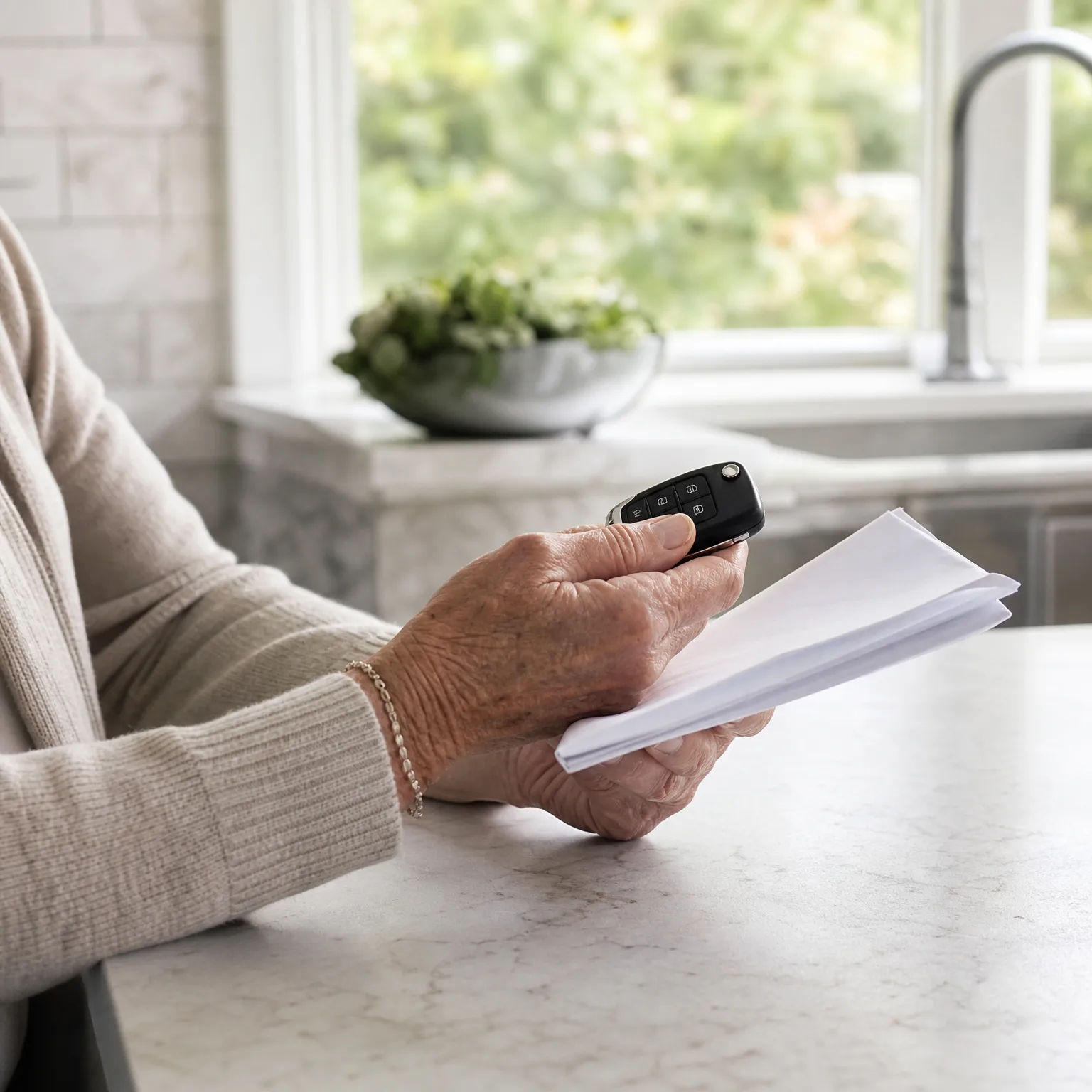
The battery's age changes everything
A battery holds less charge as it ages, even if it still starts the car every day you drive it. That reserve capacity is what gets you through the days you don't drive. An older battery has less of it to spare, so it dies from sitting much sooner than a new one would in the same car.
If you don't know how old your battery is, most auto parts stores will check it for you without charging a fee. That tells you whether it's still got enough capacity to sit for a while, or whether it's already close to the edge.
Cold weather makes this worse. A battery that's already weak loses even more of its capacity in freezing temperatures, which is why cars often fail to start on the first cold morning after sitting all week.
If you're not driving regularly, whether because of a recovery, a trip, or just a car you keep for occasional use, ask your insurer whether your policy includes roadside assistance or jump start coverage, since that's the kind of problem it's meant for.
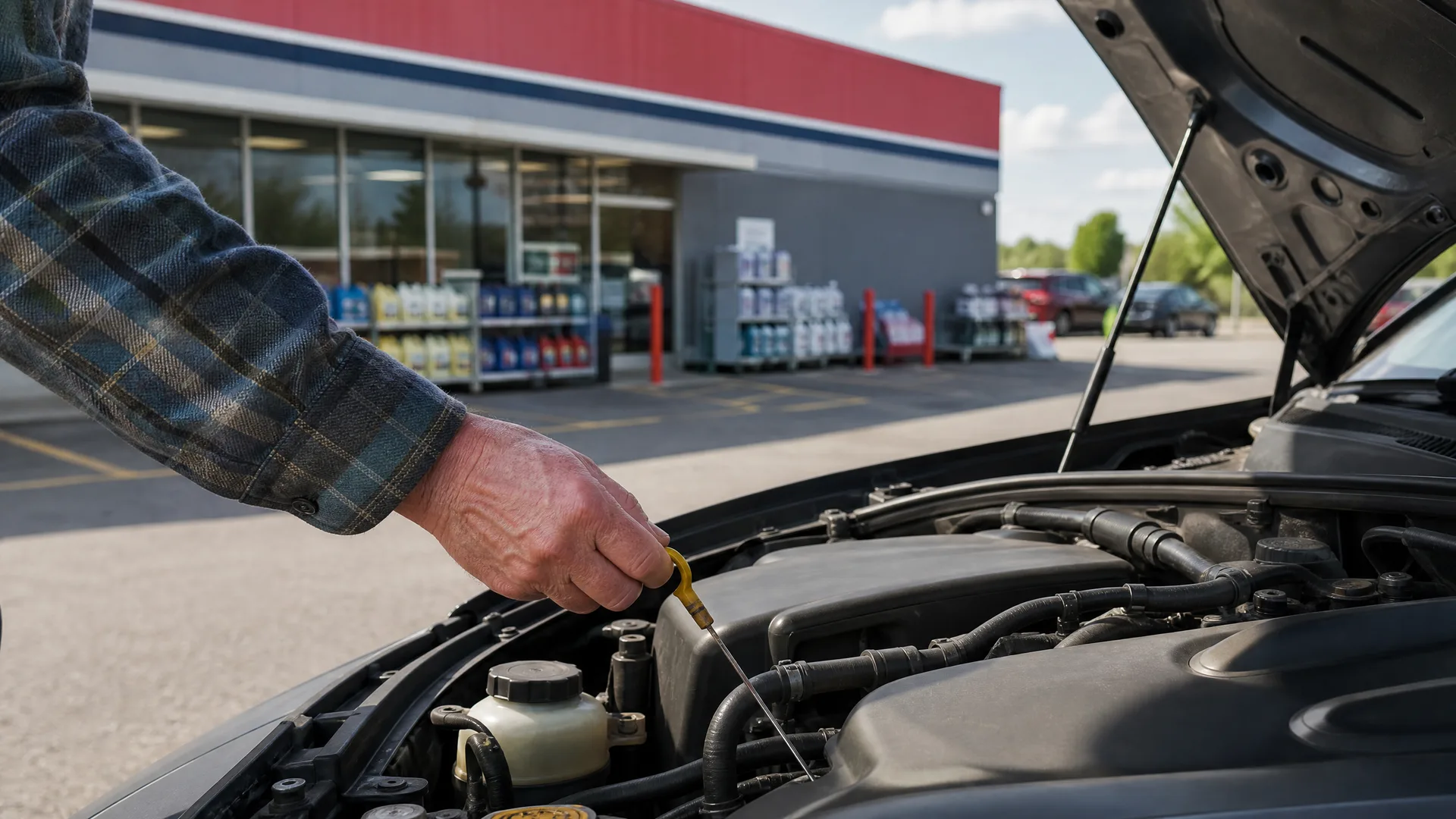
What most people get wrong about parked cars
Many drivers assume a car is fine to leave alone as long as it was running well the last time they drove it. But a battery doesn't care how well the engine ran. It only cares about how much charge is left, and that number drops every single day the car sits, whether or not anything is wrong with the car.
Modern cars make this worse than older ones did. Features like remote entry, security systems, and onboard computers all draw power even when the car is locked and the key is nowhere near it. A car with more of these features typically drains faster when parked than a simpler, older model would.
A battery tender or trickle charger, available at most auto parts stores, keeps a parked battery topped up without overcharging it. It's a cheap way to avoid a dead battery if you know ahead of time that a car will sit for a while.
If a battery dies repeatedly from sitting, even after charging, that usually means it no longer holds a charge well and needs replacing rather than just recharging again.
Questions people ask about this
How often should I start my car if I'm not driving it?
There's no single rule, since it depends on the car and the battery's condition. Starting it and letting it run for a while every so often helps recharge the battery, but a short start without driving isn't always enough to fully recharge it. Check your owner's manual or ask a mechanic what's reasonable for your specific car.
Will my car insurance pay for a dead battery?
Standard car insurance doesn't cover a dead battery, since that's considered maintenance rather than damage from an accident or a covered event. Some policies include roadside assistance as an add-on, which typically covers a jump start. Check your policy or ask your insurer whether you have that coverage.
Can a dead battery damage anything else in the car?
A battery that dies repeatedly can strain the alternator and starter, since they have to work harder each time the car is jump-started or recharged. It's worth having a mechanic check the battery and charging system if this keeps happening, rather than just jumping the car each time.
Does disconnecting the battery stop it from dying?
Disconnecting the battery stops the small, constant drain from the car's electronics, which can help it hold its charge longer while parked. It won't stop a battery from aging or losing capacity on its own. Check your owner's manual first, since disconnecting the battery can reset some of the car's settings.
Is it safe to drive right after jump starting a dead battery?
It's generally fine to drive after a jump start, but the battery needs time running to recharge. A short drive right after a jump start may not be enough to fully recharge it, so the car could fail to start again soon after. If it keeps happening, have the battery tested rather than relying on repeated jump starts.
If you're not driving much and want coverage that fits that, it's worth seeing what else is out there.
If you know a car is going to sit for a while, have the battery tested now rather than waiting for it to fail. Ask whether your insurer includes roadside assistance or jump start coverage, since that's the benefit that matters most in this situation. If you don't have it, ask what it would cost to add. Keep a battery tender on hand if the car sits often, and note the battery's age so you know when it's due for replacement rather than just another charge.