Does Idling Your Car Charge the Battery
Idling puts some charge back into the battery, but it's a slow, weak way to do it compared to driving.
Yes, idling charges the battery, but barely
When your engine is running, whether you're idling or driving, the alternator is turning and sending current back into the battery. So idling does charge it. That part is true.
The problem is how little it does. At idle, the engine turns slowly, so the alternator doesn't spin fast enough to put out much current. If your battery is low from a short trip or from sitting unused, idling for a while will put some charge back, but it takes much longer than just driving the car normally would. If the battery is already in rough shape, idling may not keep up with what it's losing at all.
The condition of your battery matters more than the idling
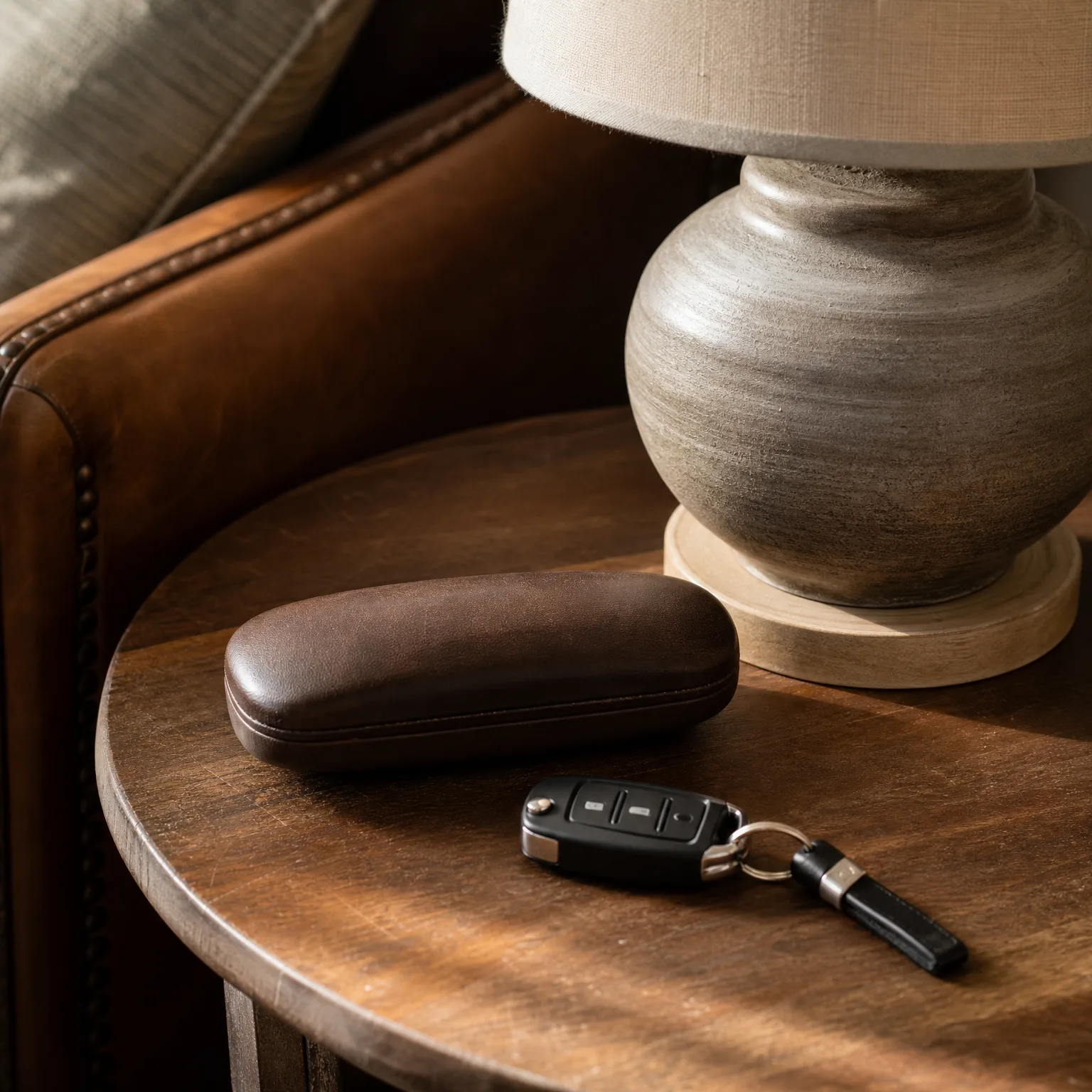
A healthy battery that's just a bit low will take a charge from idling and hold it. An old or weak battery often won't. It can accept some current while the engine runs, but it loses that charge quickly once you shut off the car, so you're back where you started within a day or two.
This is worth knowing before you spend twenty minutes idling in the driveway. If the battery is several years old, or it's struggled to start the car more than once recently, idling is treating a symptom. The battery itself may need to be tested or replaced, and an auto parts store or mechanic can check that for you in a few minutes.
If you're not sure how old your battery is, there's usually a date code stamped on the case. That's a quicker way to judge it than guessing from how the car has been starting.
What people get wrong about idling to charge it
Idling with the radio, heater, or headlights on can undo most of the benefit. Those draw power from the same alternator that's supposed to be recharging the battery, so you end up putting in only slightly more than you're using.
Another thing people assume is that idling is doing the same job as driving. It isn't. Driving keeps the engine at a higher, more varied speed, which lets the alternator put out more current, and it also means you're not wasting fuel sitting still for no reason. If a battery is low, a short drive does more for it than idling in place.
If you're idling specifically because the car won't hold a charge and you're trying to buy time before a trip or an appointment, that's a reasonable short-term move. Just don't treat it as a fix. A battery that keeps going low points to something that needs to be checked, either the battery itself or the charging system.
Questions people ask about this
How long should I idle my car to charge the battery?
There's no fixed time that works for every car, because it depends on how low the battery is and how strong your alternator's output is at idle. If you're idling to recover from a dead or very low battery, plan on it taking considerably longer than you'd expect, and check whether the car starts fine on its own afterward before you assume it worked.
Is it bad to idle my car for a long time?
Extended idling isn't harmful to most modern engines, but it wastes fuel and isn't an efficient way to charge a battery. If you find yourself idling regularly just to keep the battery up, that's a sign the battery or charging system needs attention rather than a routine to keep doing.
Why does my battery die even though I drive every day?
This usually points to either a battery that's reached the end of its life and can't hold a charge well anymore, or something drawing power while the car is off, like a interior light or a device left plugged in. A mechanic or parts store can test both the battery and the charging system to tell which it is.
Can idling damage the alternator?
Normal idling doesn't damage a healthy alternator. But if a battery is so weak that the alternator is constantly working to compensate for it, that extra strain over time can shorten the alternator's life. Replacing a failing battery protects the alternator too.
Will a car battery charge itself just by sitting with the engine off?
No. A battery only recharges while the engine is running and the alternator is turning. A car that sits unused with the engine off will slowly lose charge over time rather than gain any, which is why batteries in rarely driven cars often go flat.
If battery trouble has you thinking about what else your policy covers, it's worth seeing what other insurers offer.
If your battery keeps needing a boost, have it load tested at an auto parts store or mechanic this week. That test takes a few minutes and tells you whether the battery itself is the problem or whether the alternator isn't charging it properly. Bring the car's age and the battery's date code with you, since both help narrow down the cause. If the battery checks out fine but keeps going low, ask specifically about a parasitic draw, which means something is pulling power while the car is parked. Don't rely on idling as a regular fix in the meantime, since it's a slow way to charge a battery and won't tell you why it's going low in the first place.