Does Using Roadside Assistance Affect Your Insurance
Using roadside assistance by itself doesn't raise your rate. What matters is whether the call turns into a claim.
Using it doesn't raise your rate
Calling for a tow, a jump start, or help with a lockout is not a claim. It doesn't go on your driving record and it doesn't get reported to other insurers the way an accident does. You can use it as often as you need it.
What changes your rate is a claim tied to an accident, a breakdown that reveals damage, or a tow that leads to a repair bill your insurer pays part of. Roadside help is usually just a service call. It only becomes something your insurer tracks if it's connected to an incident they end up paying for.

Where the coverage comes from matters
If roadside assistance is an add-on to your auto policy, your insurer has a record that you have the coverage, but using it for a flat tire or a dead battery isn't treated as a claim against your policy. It's a service, not a payout for damage.
If you get roadside help through a separate membership, like one tied to your car's manufacturer or an auto club, it has nothing to do with your insurance at all. Your insurer never sees it.
Some credit cards and vehicle warranties include towing or lockout help too. Check what you're actually using before you assume it runs through your car insurance.
If you're not sure which one covers you, your declarations page will show whether roadside assistance is listed as part of your policy.
What turns a call into a claim
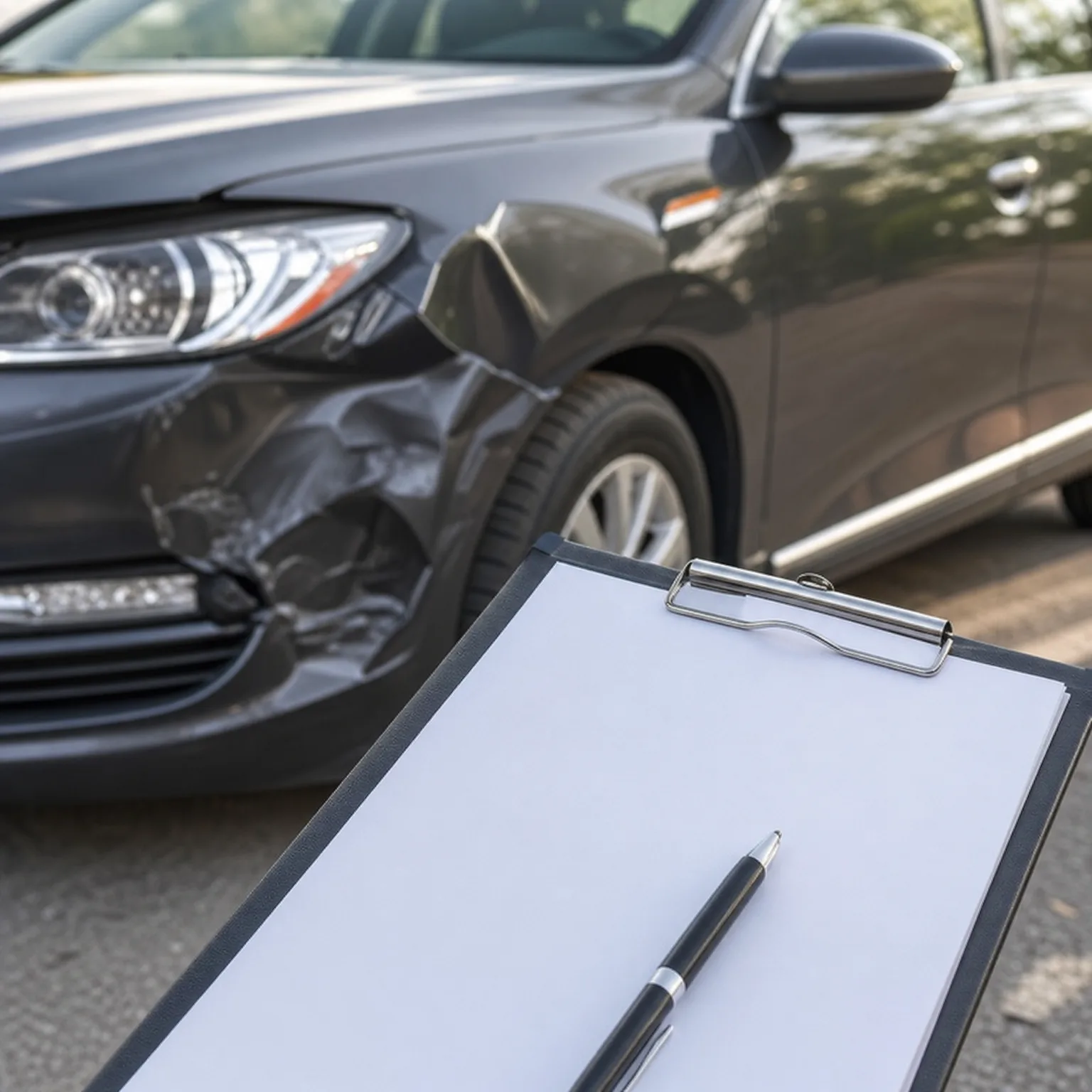
A tow after an accident is different from a tow for a dead battery. If the vehicle needed roadside help because of a collision, a pothole that damaged a tire, or anything that causes repair costs, that part can become a claim even though the tow itself was just a tow.
Repeated calls for the same mechanical problem can also draw attention, not because the calls themselves cost your insurer money, but because they may point to a vehicle issue that affects how it's underwritten at renewal.
If you're ever unsure whether a situation will be logged as a claim, ask before the tow truck arrives. The dispatcher or your insurer's roadside line can tell you whether what you're reporting is being filed as a claim or just a service request.
Questions people ask about this
Does calling roadside assistance show up on my driving record?
No. Your driving record reflects tickets, violations, and at-fault accidents. A roadside call for a tow or a jump start isn't a driving event, so it has no reason to appear there.
Will my insurer cancel my policy if I use roadside assistance a lot?
Frequent roadside calls alone are unlikely to lead to a cancellation. Insurers cancel policies over missed payments or a pattern of claims, not service calls. If the calls point to a recurring mechanical issue, ask your insurer directly how they view it.
Is roadside assistance worth adding to my policy at my age?
That depends on your situation, not your age specifically. If you drive often, drive an older car, or want the certainty of a known number to call, it can be worth the small addition to your premium. Compare what it costs through your insurer against a separate auto club membership.
Does AAA membership affect my car insurance rate?
No. AAA and similar auto club memberships are separate from your auto insurance. Using them for a tow or lockout has no connection to your policy or your premium.
Can I use roadside assistance if the breakdown happens in another state?
Most roadside coverage travels with you, but the details depend on your insurer or membership provider. Check your policy or membership terms for any limits on distance from home or the number of calls allowed in a given period.
If you want roadside help without wondering what it costs you later, compare how different insurers include it.
Pull out your current policy or declarations page and check whether roadside assistance is already included or sold as an add-on. If you're paying for a separate membership, compare what it covers against what your insurer offers, since you may be paying twice for the same thing. When you call for a tow or lockout, ask the dispatcher directly whether the call is being logged as a claim. If you're shopping for a new policy, ask each insurer how roadside assistance is priced and whether using it affects your renewal. Keep any certificates, receipts, or confirmation numbers from roadside calls in case a question ever comes up about a specific incident.