Does Using Roadside Assistance Count as a Claim
Roadside assistance is a service call, not a claim, unless it leads to a repair your insurer pays for.
No, calling for a tow or a jump start isn't a claim
Roadside assistance covers things like a dead battery, a flat tire, a lockout, or a tow to a shop. When you call for one of these, you're using a service that's part of your policy or your membership. No one is paying out for damage, so there's nothing for your insurer to record as a claim.
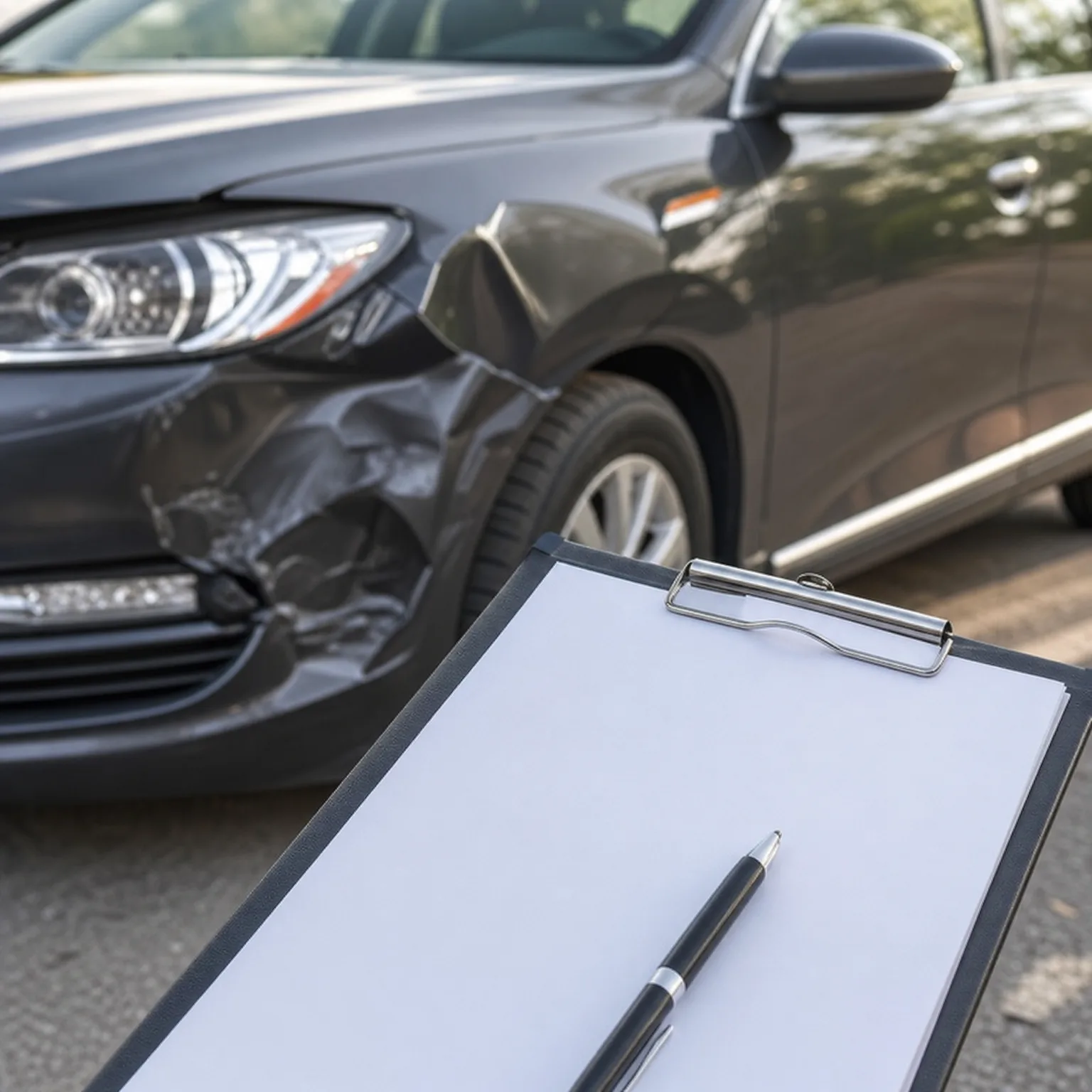
It turns into a claim only if the reason you called involves an accident or damage that then gets repaired and paid for. A tow after a breakdown is a service call. A tow after you hit a guardrail, with a bill that goes to your insurer, is a claim. The call itself is just how the car gets off the road.

What you called about is what matters
The dispatch itself doesn't get reported anywhere. What matters is whether the reason behind it results in a payout. A flat tire, an empty gas tank, a battery that won't turn over, a key locked inside, none of these involve your insurer paying for anything, so none of them become claims.
If the tow follows a crash, a theft, or storm damage, the roadside call is just the first step. The claim comes from the accident report and the repair estimate, not from the fact that a truck came out to help you.
If you're not sure which category your situation falls into, ask your insurer or roadside provider directly before you assume either way. They can tell you whether what you're describing would open a claim file.
Some insurers track how often you use roadside assistance even when none of those calls become claims. It's worth asking your insurer whether frequent use shows up anywhere on your account, since the answer varies by company.
Where the assistance comes from changes what gets recorded
Roadside coverage can come from your auto insurer, a separate membership like an auto club, or your car's manufacturer through a warranty program. Only the insurer's version has any connection to your policy at all.
If your roadside help comes from a club membership or manufacturer plan, your auto insurer never even hears about the call. There's nothing to report because the two things aren't connected.
If it comes through your auto policy, the call is still a service use, not a claim, but it's worth asking your insurer how they log it internally. Some keep a count of roadside calls separate from claims history, and that count typically doesn't affect your premium the way a claim would.
When you're comparing policies or renewing, ask directly whether roadside assistance use is tracked anywhere that could affect your rate later. The answer depends on the insurer, not on any general rule.
Questions people ask about this
Does roadside assistance go on your driving record?
No, a roadside assistance call doesn't go on your driving record. Your driving record reflects tickets, violations, and accidents reported by law enforcement or courts, not service calls for a tow or a jump start. The two systems don't overlap.
Can an insurer drop you for using roadside assistance too often?
This depends on the insurer and the terms of your policy. Some roadside plans have a limit on how many calls you can make in a year, and going over that limit may mean you pay out of pocket for the next one rather than losing your coverage. Check your policy documents or ask your insurer what the limit is and what happens if you reach it.
Does a tow truck call affect your insurance premium?
A tow by itself usually doesn't affect your premium if it's a service call rather than the result of an accident. Premiums are more often affected by claims history, violations, and sometimes how long it's been since you last filed a claim. Ask your insurer how they calculate your renewal if you want specifics for your policy.
Is roadside assistance worth it for an older driver?
That depends on how often you drive, how far from home, and what kind of car you have. Some drivers already have similar coverage through a manufacturer warranty or a credit card benefit, so it's worth checking what you already have before adding another plan.
Do you need a police report to use roadside assistance?
No, a police report isn't needed for a standard roadside call like a flat tire or a dead battery. A police report becomes relevant only if the situation involves an accident, and that's a separate matter from the roadside dispatch itself.
If you want to know whether your rate reflects roadside assistance use at all, it helps to compare what different insurers actually track.
Pull up your policy or membership documents and check which roadside plan you actually have, whether it's through your auto insurer, a club, or your car's manufacturer. If you've used roadside assistance recently, call your insurer and ask directly whether that use was logged as a claim or just a service record. Ask, too, whether frequent roadside calls show up anywhere that could affect your renewal. If you're shopping for new coverage, ask each insurer how they define and track roadside assistance separately from claims. Keep any paperwork from the call in case you need to show it wasn't connected to an accident.