Is Roadside Recovery Worth It
It's worth it if a breakdown would strand you without an easy way to get help, and not worth paying twice for if you already have coverage somewhere else.
It depends on what you'd do without it
Roadside recovery is worth it if you drive an older car, drive long distances, or would have no good way to get help if you broke down. For a lot of older drivers, that's exactly the situation. A car that's paid off and aging has more that can go wrong with it, and a tow or a jump start costs the same whether you're twenty-five or seventy-five.
What changes the answer is whether you're already covered another way. Some auto policies include it. Some credit cards offer a version of it. If you already have it through one of those, buying it again as a separate add-on is just paying twice for the same thing.
Check what you already have before you add it
Call your insurer and ask directly whether roadside assistance is part of your policy or sitting there as an option you never added. A lot of drivers assume they have it because they've had the same policy for years, then find out at the worst possible moment that they never opted in.
If you have a credit card you use often, check its benefits too. Some cards include towing and lockout service as a perk, and it's easy to forget that's there.
If you belong to an auto club, that membership usually already covers towing, jump starts, and lockouts. Paying for the same service through your insurer on top of that membership doesn't add anything.
If none of those apply to you, adding it through your insurer is usually the cheapest way to get it, since it rides along with a policy you're already paying for.
Think about your car and your situation, not just your age
A newer car under warranty often comes with its own roadside assistance for a set number of years. If that's still active, you may not need to pay for a separate plan until it runs out.
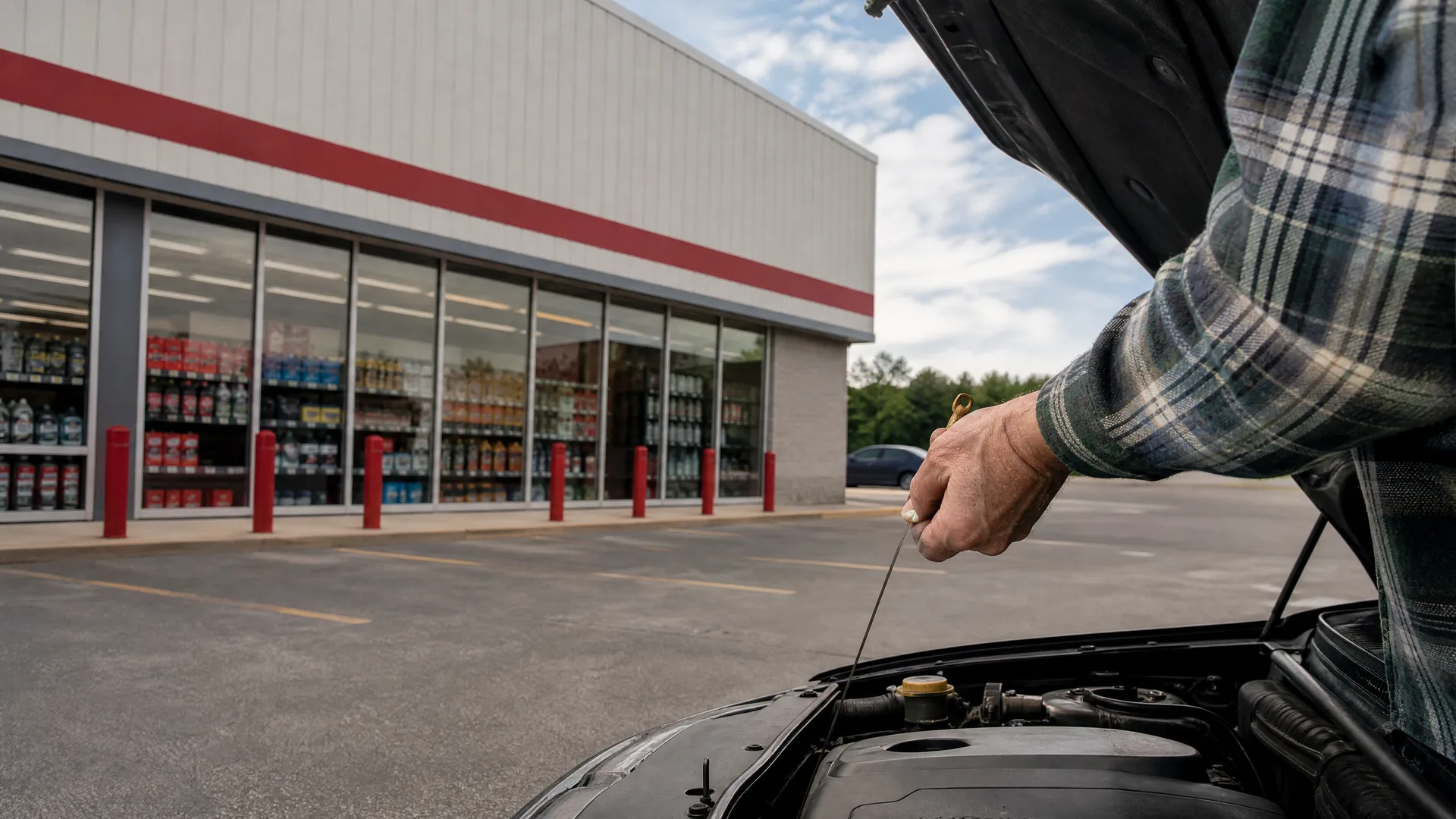
An older car is a different story. More miles means more chances for a dead battery, a flat, or a car that won't start in a parking lot. That's exactly when roadside recovery earns its keep.
How far and how often you drive matters too. Someone who mostly drives a few miles around town has less exposure than someone who regularly takes long trips on unfamiliar roads, where a breakdown means waiting without anyone you know nearby.
Your own health and mobility matter as well. If changing a tire yourself isn't realistic anymore, having a service you can call rather than relying on a stranger to stop and help is worth more than its cost suggests.
Questions people ask about this
Does Medicare cover roadside assistance?
No, Medicare doesn't cover roadside assistance. It's a health insurance program and doesn't pay for car related services. Roadside coverage comes from your auto insurer, a separate auto club membership, or sometimes a credit card benefit.
Is roadside assistance worth it if I rarely drive?
It can still be worth it if a breakdown would leave you stranded with no backup plan. Driving less lowers your odds of needing it, but it doesn't remove the risk, especially with an older car that can fail even sitting in a driveway.
Can I add roadside assistance to my policy anytime?
Most insurers let you add it whenever you want, not just at renewal. Call your insurer and ask what it costs to add and whether it changes your premium right away or at your next renewal.
What does roadside recovery actually cover?
It typically covers things like towing, jump starts, flat tire changes, lockouts, and running out of fuel. Exactly what's included varies by insurer and by plan, so ask for the specific list rather than assuming it matches what a friend has.
Will using roadside assistance raise my insurance rate?
This depends on your insurer, since some treat roadside calls differently from accident claims when it comes to pricing. Ask your insurer directly whether roadside assistance calls affect your rate the way a claim would.
See what adding roadside coverage would actually cost before you decide if it's worth it.
Start by calling your current insurer and asking plainly whether roadside assistance is included in your policy or available as an add-on, and what it would cost either way. Check any credit cards you carry for a roadside or towing benefit you might already have. If you belong to an auto club, pull up your membership details so you're not paying twice for the same thing. Have your policy number and vehicle details ready when you call, since that speeds up the answer. Once you know what you already have and what's missing, you can compare quotes to see whether adding it through your insurer costs less than a standalone plan.