Does Using Roadside Assistance Raise My Rate
Calling for a tow or a jump start doesn't raise your rate on its own, because it isn't a claim against your policy.
No, roadside assistance calls don't raise your rate
Roadside assistance is a service, not a claim. When you call for a tow, a jump start, or help changing a tire, your insurer is dispatching help and paying a vendor for that service. It isn't filed the way an accident or a theft claim is, and it doesn't go into the claims history that insurers use to set your premium at renewal.
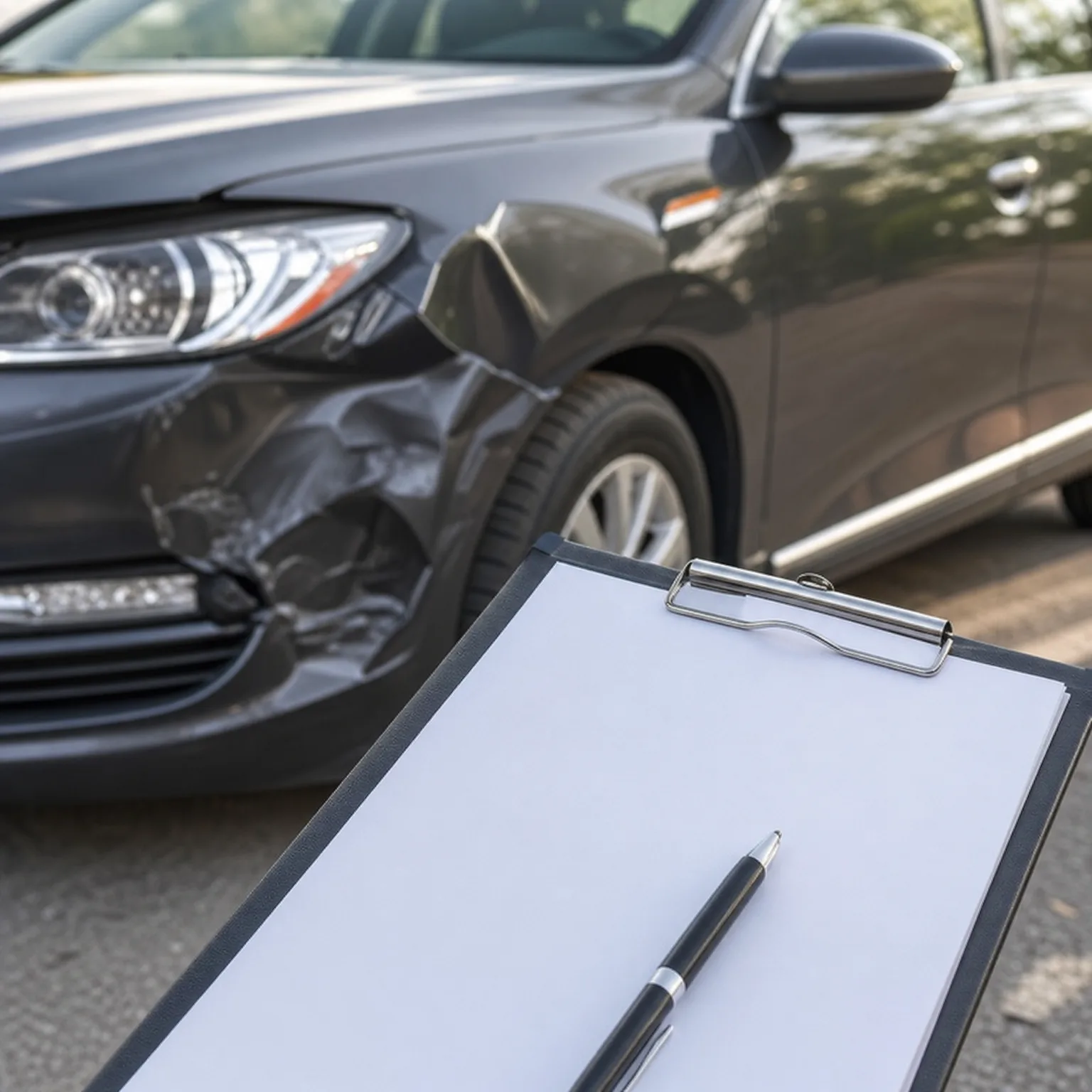
This holds whether the coverage came with your policy or through a separate plan like a membership club. What can affect your rate is something different: if the reason you needed a tow was a crash, and that crash turns into a liability or collision claim, that claim is what your insurer weighs, not the tow itself.
What matters is the reason you needed help
A dead battery, a flat tire, or an empty gas tank are typically not the kind of events insurers factor into your rate. They happen to drivers of every age and they don't point to a change in risk.
An accident is different. If you call roadside assistance after a crash, your insurer may already know about the accident separately, through a police report or because you also filed a claim for the damage. In that case, it's the accident on your record that matters, not the fact that a tow truck showed up.
If you're not sure whether a past incident was logged as a claim, your insurer can tell you what's on your record and how it was coded. That's worth asking before you assume a roadside call had anything to do with a rate change you've noticed.
How many times you call can matter more than age
Some insurers watch for a pattern of frequent roadside calls, especially for things like lockouts or running out of fuel, because a high number of calls can suggest a vehicle that isn't being maintained or a driver who needs closer attention. This varies by insurer, so the same pattern might be a non-issue with one company and a flag with another.
Your age by itself isn't what triggers this. An insurer reviewing frequent calls is looking at the pattern, not at how old the driver is. If you're worried about how your use of roadside assistance looks, ask your insurer directly whether they track call frequency and what they do with that information.
It also helps to know whether your roadside coverage came bundled with your auto policy or as a separate add-on. A separate membership plan, unconnected to your auto insurer, has no bearing on your auto rate at all.
Questions people ask about this
Does calling roadside assistance count as a claim?
No, it's recorded as a service call, not a claim. A claim involves your insurer paying out for damage or loss. Roadside help like a tow or jump start doesn't involve a payout against your coverage limits, so it isn't logged the same way.
Can I lose my roadside assistance coverage for using it too often?
It depends on your insurer's policy terms. Some set a limit on how many service calls are included per year, and going over that limit may mean paying out of pocket for additional calls rather than losing the coverage itself. Check your policy documents or ask your insurer what the limit is.
Is roadside assistance worth adding to my policy?
That depends on how often you'd realistically use it and whether you already have similar coverage elsewhere, like through a vehicle warranty or a separate membership. Compare what each option covers, such as towing distance and lockout service, before deciding.
Will an accident that required a tow show up on my driving record?
The tow itself doesn't appear on your driving record. What may appear is the accident, if it resulted in a police report, a citation, or an insurance claim. Your state's DMV and your insurer track different things, so it's worth asking each what they have on file.
Does my insurer know when I use a roadside assistance membership that isn't through them?
Generally no, if the membership is entirely separate from your auto policy, such as one through an automaker or a standalone club, your auto insurer has no visibility into those calls. Ask the membership provider directly if you want to confirm how your usage is recorded.
If you're not sure how your current policy handles roadside calls, see how other insurers compare.

Pull up your policy declarations page and check whether roadside assistance is included or a separate add-on. If you've had a recent rate increase and you're unsure why, call your insurer and ask them to walk through what's on your claims history, since that's the real record they use. If you're comparing new coverage, decide how often you'd realistically need a tow or lockout service before paying extra for it. And if your only roadside coverage right now is through a credit card or a membership club, confirm what it actually covers before you assume you're protected.