How to Keep a Car That Sits Running Well
A car that mostly sits needs a little regular attention and the right word to your insurer about how it's used.
Keep it running, then tell your insurer the truth about how you drive it
Start the car and drive it for a real stretch every week or two. Short trips around the block don't fully charge the battery or get the engine and fluids up to temperature, so aim for a drive long enough to warm everything through.
The insurance side matters just as much as the mechanical side. If a car sits most of the time, you may be driving far fewer miles than your policy assumes, and most insurers have a low mileage or limited use option that reflects that. It's worth a call to ask what you qualify for, since this depends on your insurer and how they classify infrequent use.
How the car is stored changes what it needs
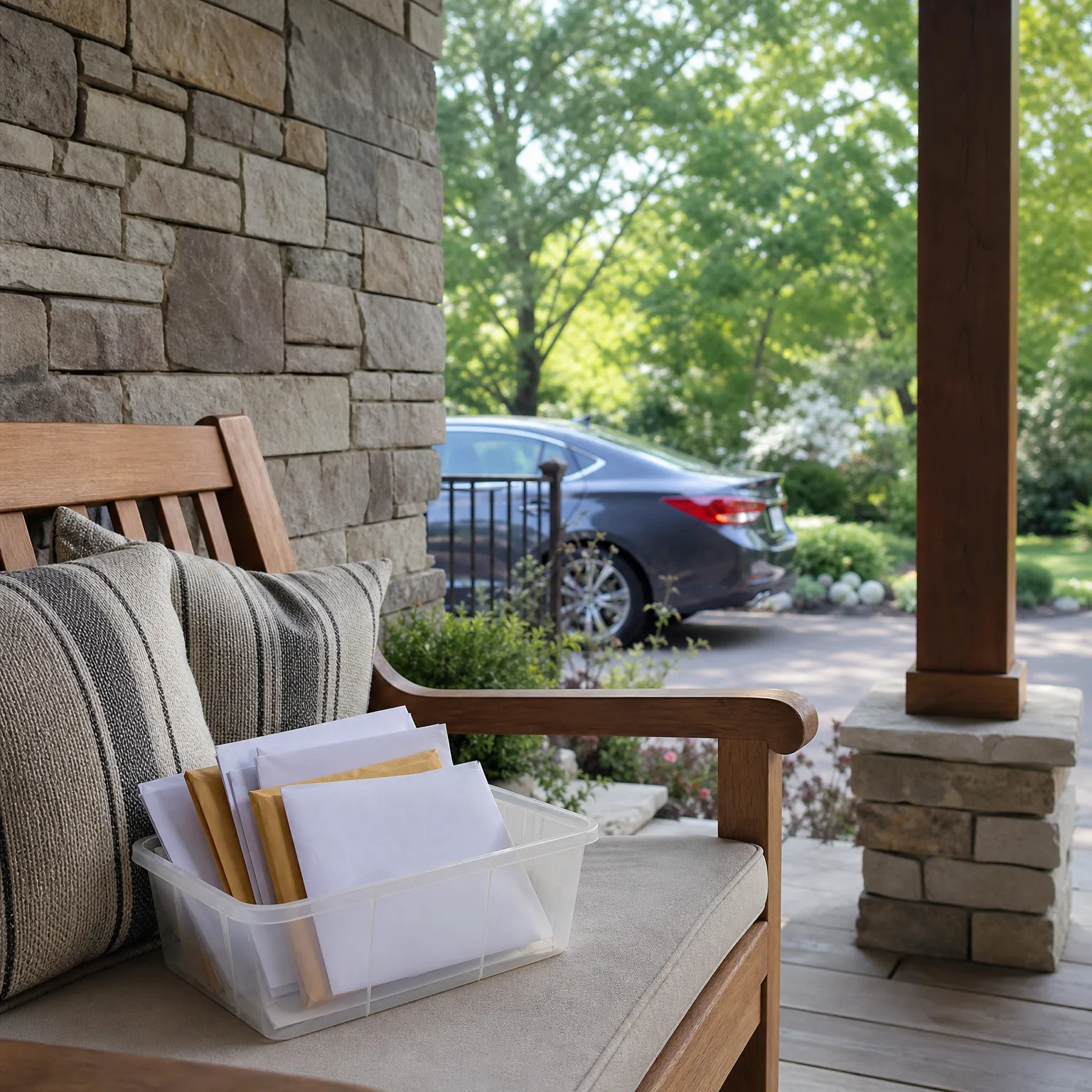
A car kept in a garage needs less from you than one left outside. Sun, rain, and temperature swings wear on tires, rubber seals, and paint in ways a covered car avoids, so an outdoor car needs more frequent checks.
Tires are often the first thing to suffer on a car that sits. Flat spots can develop where the tire rests in one position for weeks, and tire pressure drops on its own over time even with no leak. Check pressure before any drive longer than a quick errand.
The battery is the other common failure point. A car that isn't driven enough doesn't get the charging time a battery needs, and a battery that dies repeatedly from disuse wears out faster than one in a car driven daily. A trickle charger or battery maintainer is a reasonable fix if the car sits for stretches longer than a couple weeks.
Tell your insurer where the car is kept. Garaged cars sometimes qualify for a different rate than cars parked on the street, and this is worth confirming rather than assuming.
What your insurer assumes if you don't say otherwise
Most policies are priced around an estimated number of miles driven per year. If you bought the policy when the car was your daily driver and that's no longer true, your insurer may still have you listed at the old mileage estimate.
That mismatch doesn't make your coverage void, but it does mean you could be paying for mileage you're not putting on the car. Call your insurer and ask them to update your annual mileage estimate based on how you actually drive now.
Some insurers also offer usage-based programs that track actual mileage or driving patterns, which can work well for a car that sits most of the time. Whether this is available and how it affects your rate depends on the insurer, so ask directly what they offer for low mileage drivers.
Keep the registration and insurance current even if the car barely moves. A car that sits unregistered or uninsured to save money can create bigger problems if you ever need to drive it unexpectedly or if something happens to it while parked.
Questions people ask about this
Can I cancel insurance on a car I'm not driving?
You can, but an uninsured car usually can't stay legally parked on the street or in most situations where it could be seen or damaged. Check your state's rules on whether a parked, unused car still needs to carry at least liability or comprehensive coverage. Many states allow a reduced coverage option for stored vehicles rather than full cancellation.
What is comprehensive-only coverage for a stored car?
It's a policy that covers damage from theft, fire, weather, or vandalism but drops the liability and collision coverage you'd need to legally drive. This is often the right fit for a car that's stored and not driven at all. Ask your insurer whether they offer this and what triggers the switch back to a full policy once you start driving the car again.
Does a car need to be driven regularly to pass inspection?
Inspection requirements are set by your state and don't usually depend on how often the car is driven, but a car that sits can develop issues that cause it to fail inspection. Flat-spotted tires, a weak battery, or dried-out belts and hoses are common culprits. Check your state's inspection requirements and have the car driven and checked over before the appointment.
Should I remove a car from my policy if it's rarely driven?
Removing it entirely only makes sense if the car won't be driven at all for an extended period, since any driving without coverage carries real risk. If it's driven occasionally, ask your insurer about a low mileage discount or usage-based option instead of dropping coverage. What's available depends on the insurer, so ask what they offer before deciding.
How often should a car that sits be started and driven?
Most mechanics suggest driving it, not just idling it in place, at least every couple of weeks for long enough to reach full operating temperature. Idling alone doesn't fully charge the battery or circulate fluids the way actual driving does. If weeks will pass without any drive, a battery maintainer helps prevent the battery from dying in the meantime.
See what a low mileage or stored car policy could look like for you.
Call your current insurer this week and tell them how the car is actually being used now, including your best estimate of annual mileage and where it's parked. Ask directly whether you qualify for a low mileage discount, a usage-based program, or a comprehensive-only policy if the car isn't being driven at all. Have your renewal notice or policy number on hand so they can look up your account quickly. While you're at it, check your tire pressure and consider a battery maintainer if the car will sit for more than a couple weeks at a stretch. Confirm your state's inspection and registration requirements too, since those don't pause just because the car isn't moving.