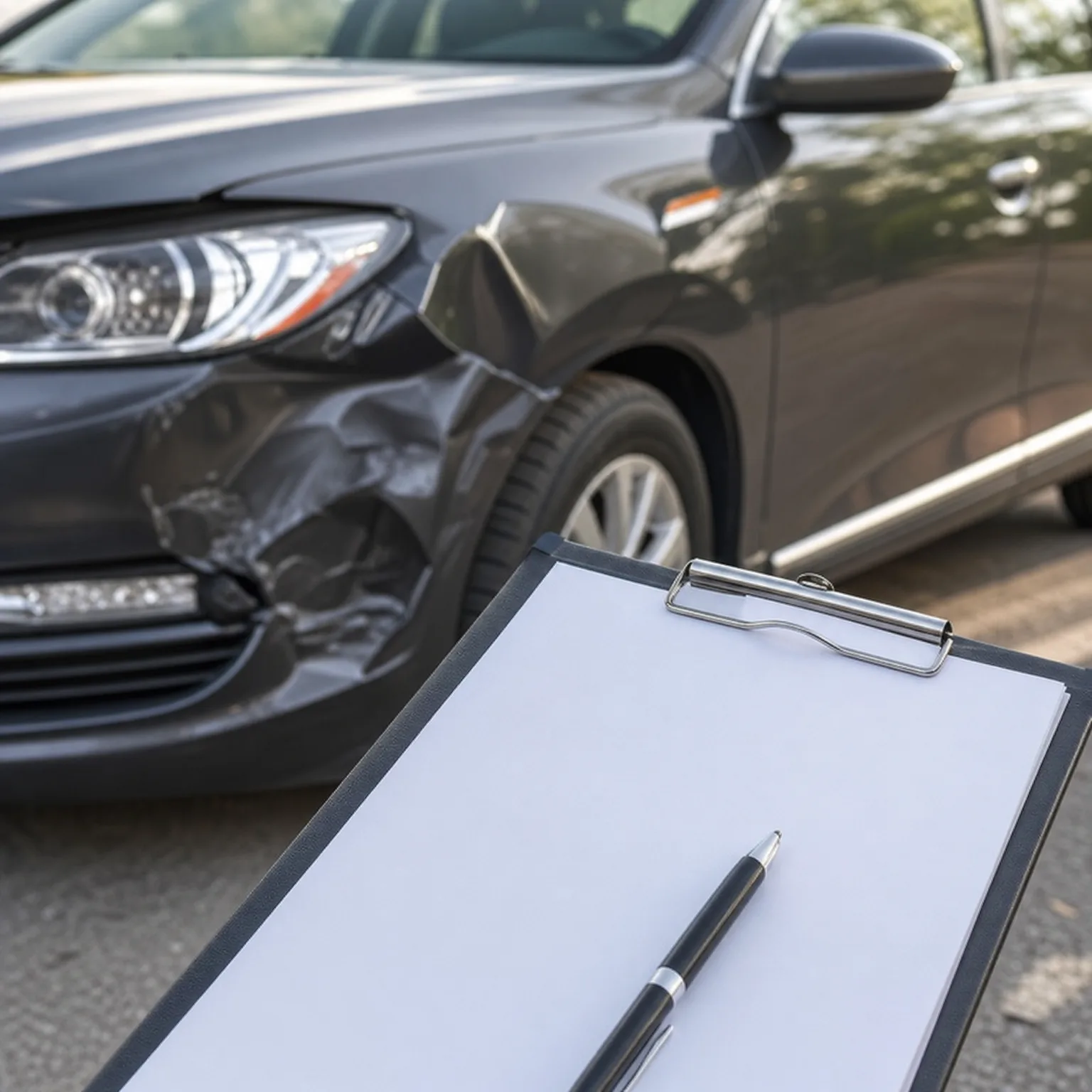
Is Breakdown Assistance Worth It
It's worth it if a breakdown would strand you without a backup plan, not just because you're older.
It depends on what happens if your car won't start
Breakdown assistance is worth it for most drivers who don't already have another way to get towed or jumped or unlocked. If your car insurance, your auto club membership, or your car's manufacturer warranty already includes roadside help, paying for a second plan is paying twice for the same thing.
The value isn't really about age. It's about whether you're covered somewhere else already, and whether you're the kind of driver who'd rather pay a small amount every year than risk paying a tow company's full rate on a night your car dies on the highway.
Whether you already have coverage through something else
Check your current auto policy first. Many insurers sell roadside assistance as an add-on for a small amount per year, and if you already have it, buying a separate membership is redundant.
If you belong to a motor club, look at what it actually covers. Some plans cap the number of tows per year or limit how far they'll tow you for free. If you've had the membership a long time, it's worth rereading the terms rather than assuming they still match what you remember signing up for.
A newer car may still be under a manufacturer warranty that includes roadside help for a set number of years. If your car is still covered that way, you don't need to pay for the same service twice.
If none of those apply to you, a standalone plan or an insurer add-on fills a real gap.
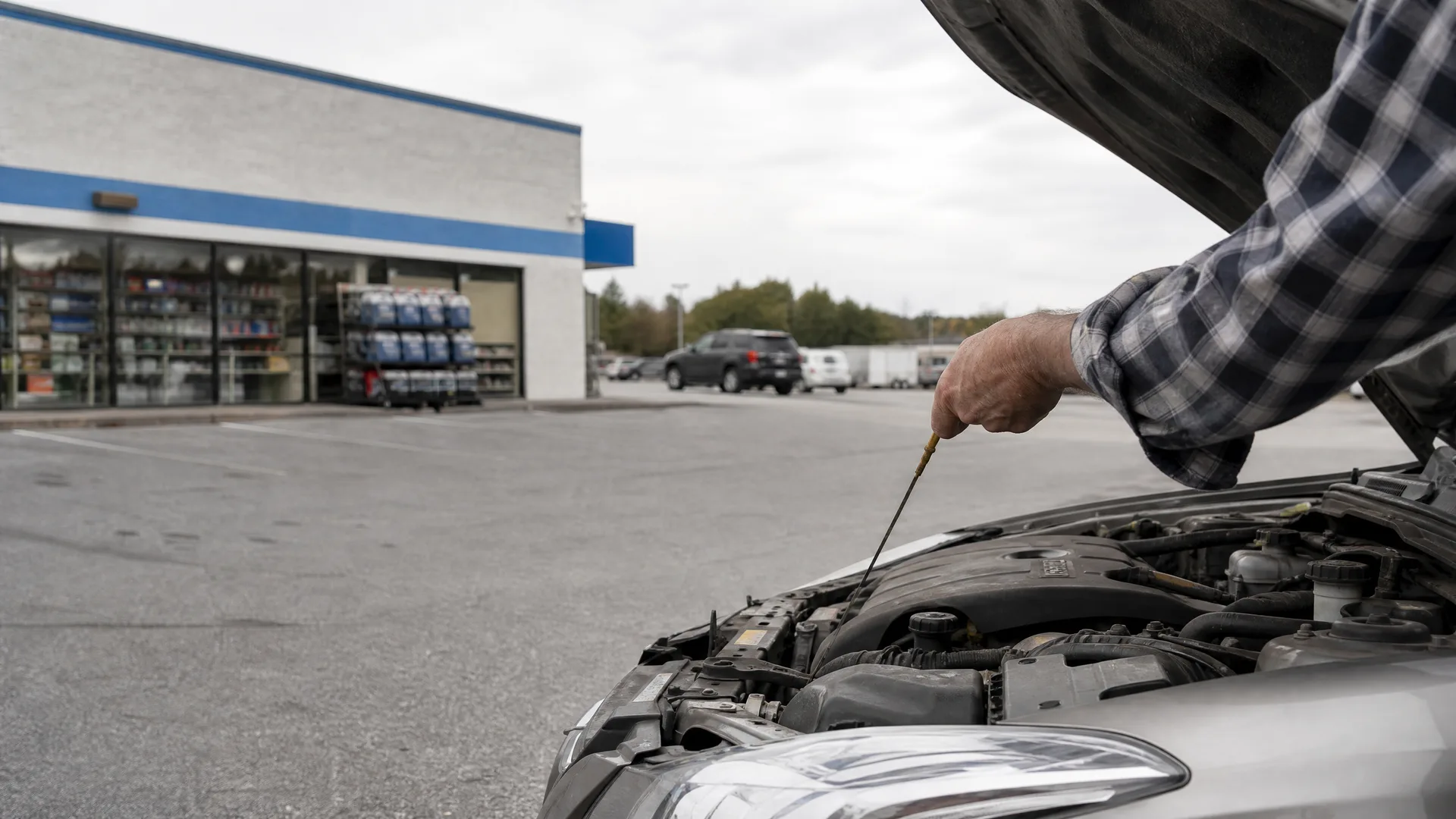
What you're actually worried about happening
Think about where you drive and when. If most of your driving is short trips near home, the risk of being stranded somewhere remote is lower, and the coverage matters less. If you take longer trips, drive at night, or drive in an area with poor cell coverage, being able to call someone and know help is coming matters more.
Consider your car's age and condition too. An older car is more likely to need a tow, a jump, or a tire change than a newer one still under warranty. If your car has needed roadside help more than once in the past few years, that history is a better guide than a general rule about age.
Also think about what you'd do without it. Some people have a family member or neighbor they could call. Others don't, or don't want to ask. If calling someone and waiting alone isn't something you want to do, paying for a service that sends someone reliably is worth more to you than the same service is worth to someone with another option.
Questions people ask about this
Does my car insurance already include roadside assistance?
Check your policy declarations page or call your agent to find out. Some insurers include it automatically, others sell it as an optional add-on, and some don't offer it at all. Your insurer can tell you exactly what's included and what it would cost to add if it isn't.
What's the difference between roadside assistance and towing coverage?
Towing coverage usually just pays for a tow after a breakdown or accident. Roadside assistance is broader and typically includes jump starts, flat tire changes, lockouts, and fuel delivery, not just the tow itself. Read the policy terms to see which one you actually have.
Can I add breakdown assistance to my policy later if I don't have it now?
In most cases yes, you can add it at your next renewal or sometimes mid-term, but ask your insurer directly since rules vary by company. Some insurers only let you add certain coverages at renewal rather than partway through the policy term.
Will a breakdown claim raise my insurance rate?
Roadside assistance calls are typically handled separately from your accident claims history, but this varies by insurer. Ask your agent directly whether using roadside assistance affects your premium or claims record before you assume it won't.
Is a standalone auto club membership better than an insurer add-on?
It depends on what each one covers and what you'd use it for. Auto club memberships sometimes include extras like trip planning or discounts that insurer add-ons don't, while insurer add-ons may be simpler to manage since they're billed with your existing policy. Compare what each actually includes rather than assuming one is automatically better.
See what roadside coverage would cost added to a policy versus on its own.

Pull out your current auto insurance policy and look for any mention of roadside assistance or towing coverage. If you belong to an auto club or your car is still under warranty, find the paperwork and check what's included there too. Call your insurance agent and ask directly whether roadside assistance is already part of your policy, and if not, what it would cost to add. If you decide you need coverage, compare that cost against a standalone membership before renewing anything. Do this before your next renewal date, not after, so you're not paying for a gap you could have closed.