Rental Reimbursement Coverage for Seniors
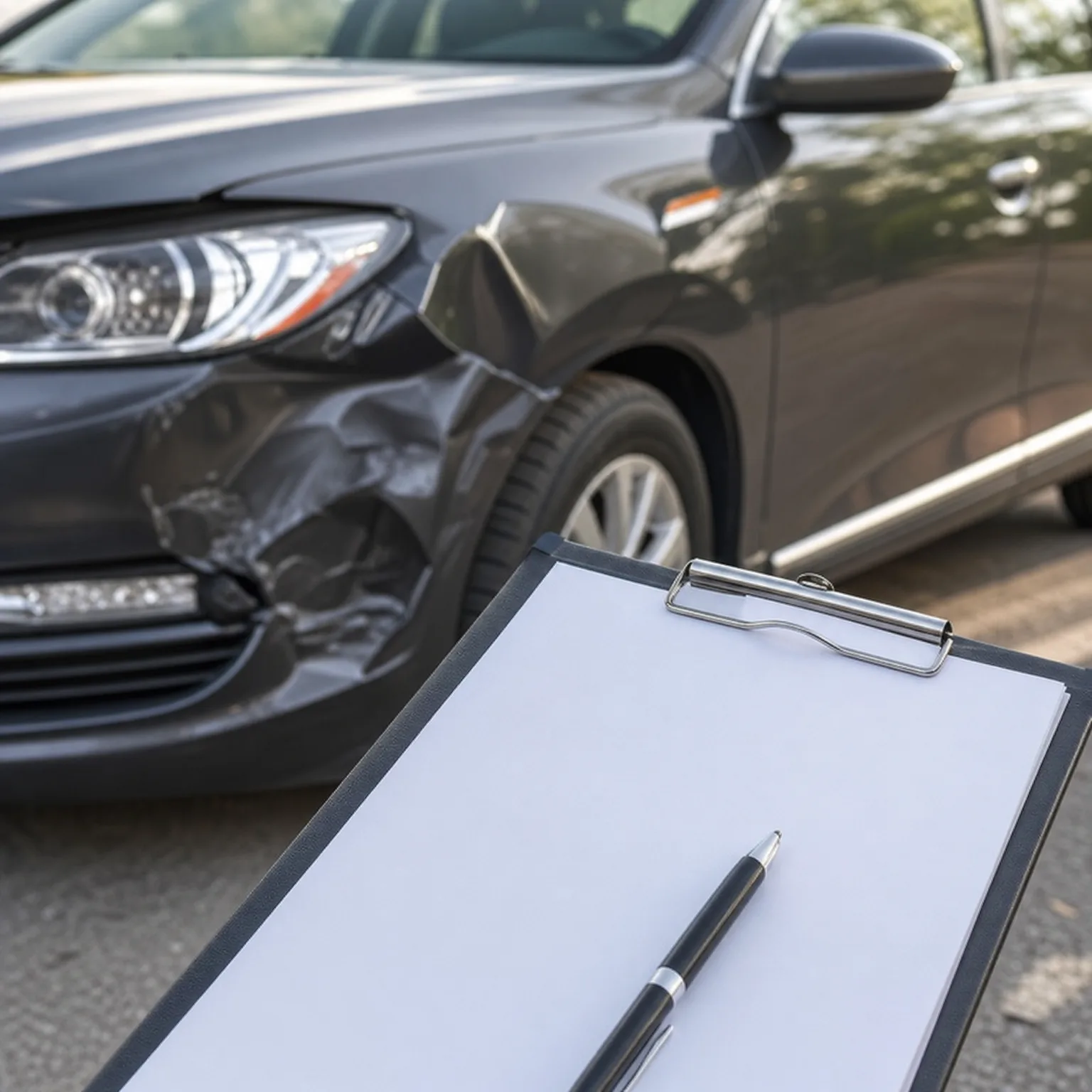
Rental reimbursement coverage pays for a replacement car while your own is being repaired after a covered claim.
What this coverage actually pays for
Covers
- A rental while car is repaired It covers the cost of a rental car for the time your vehicle is in the shop after a covered accident.
- Costs tied to a covered claim only It only kicks in when the damage to your car is being paid for under your collision or comprehensive coverage.
- A car similar to your own The rental is meant to be comparable to what you drive, not an upgrade.
- Time spent waiting on repairs It keeps paying for the rental for as long as the shop reasonably needs to finish the work, within your policy's limit.
- Transportation after a total loss, briefly If your car is totaled, this coverage usually still pays for a short window while you arrange a replacement vehicle.
Doesn't cover
- Mechanical breakdowns A dead battery, worn brakes or a failed transmission isn't a covered claim, so no rental is provided for those.
- Normal maintenance visits Oil changes, tire rotations and routine service don't trigger this coverage at all.
- Rental after an uninsured loss If you didn't have collision or comprehensive coverage on the damage itself, there's no rental benefit to go along with it.
- Unlimited time in the rental There's a cap on how long the coverage pays, and a slow repair shop can run past that limit on its own schedule.
- A nicer or larger vehicle You're reimbursed for something similar to your own car, not a bigger model or a higher trim.
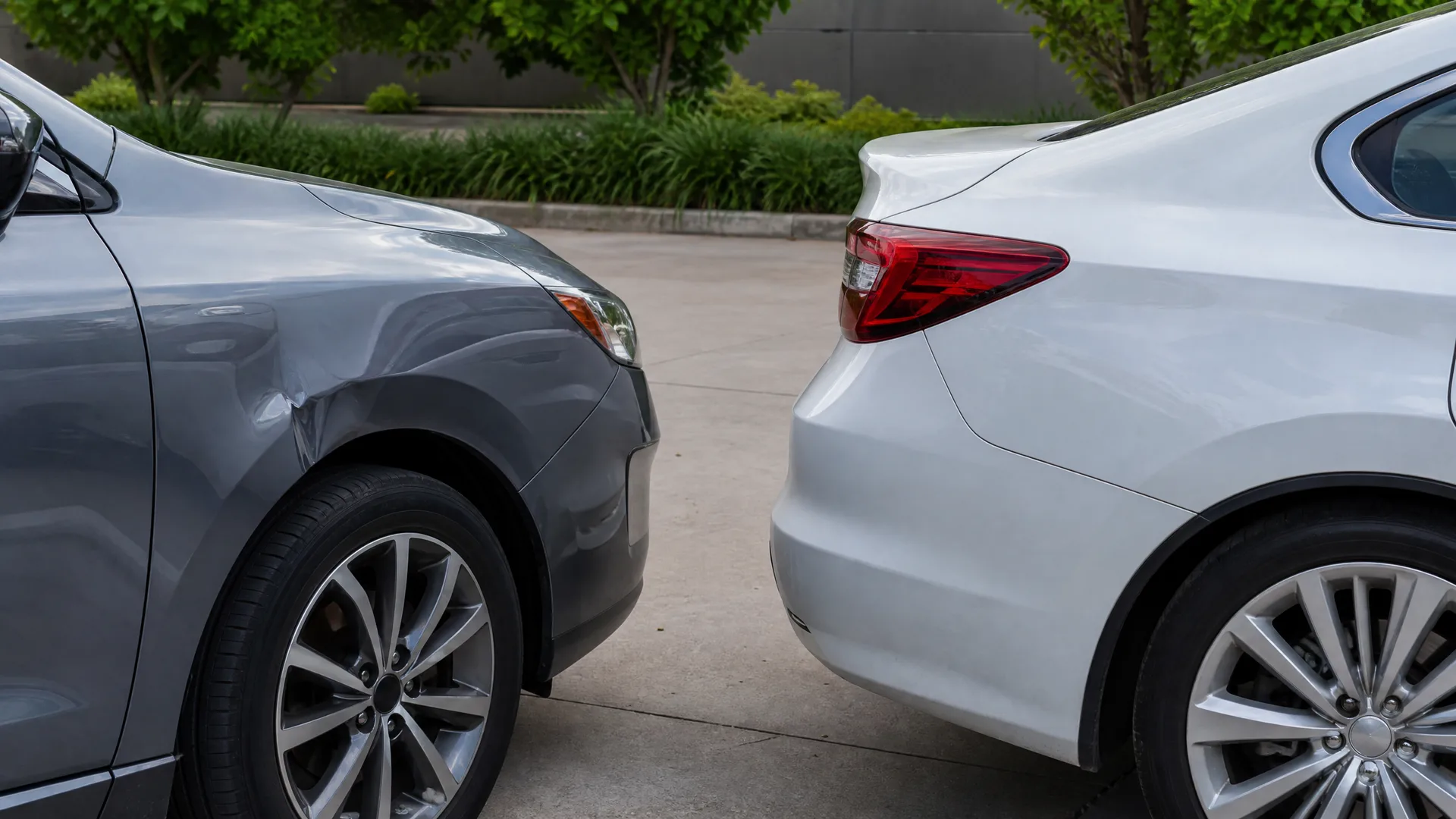
For most older drivers, it's a small cost worth keeping
The case for dropping this coverage usually rests on being able to cover a loss yourself, and this one is different from that. The question isn't whether you could afford a rental car for a week or two. It's whether you want to be without a car at all while repairs happen, and at this age that inconvenience often matters more than the dollar amount.
If you still drive regularly for errands, medical appointments or seeing family, losing your car for a stretch is a real disruption, not just a cost. A spouse or adult child nearby might be able to loan you a car or drive you around, and if that's genuinely available to you, this coverage matters less.
If your car sits in the garage most days and you only drive occasionally, the case for keeping it weakens. You may be able to rearrange your week around fewer trips while repairs happen, which is a different situation than someone who drives daily.
What the car is worth barely factors into this decision, since this coverage isn't about the vehicle's value. It's about keeping you mobile while that vehicle is out of commission, so it belongs next to collision and comprehensive coverage rather than being judged on its own.
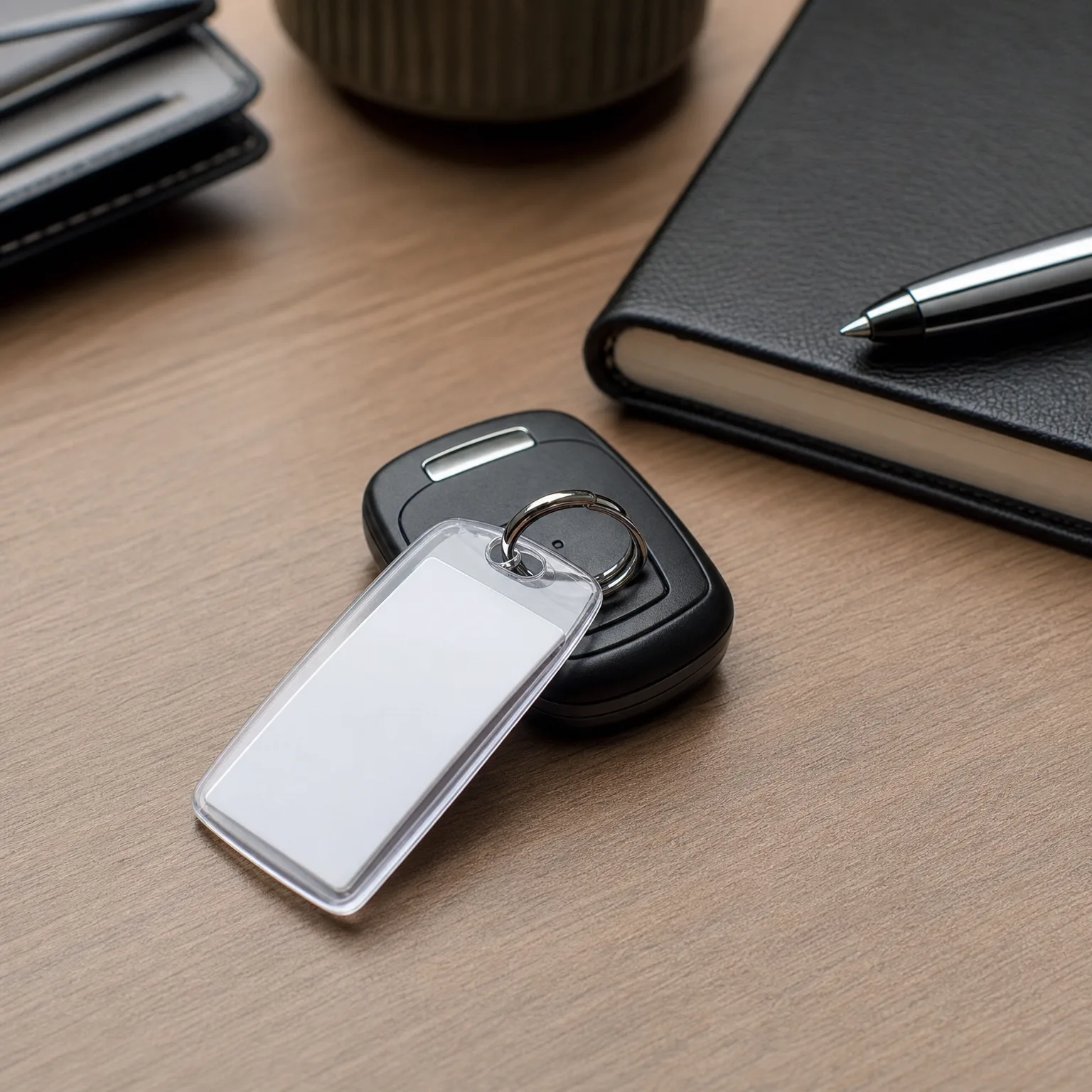
How a claim actually plays out
There's no separate deductible for this coverage itself. The deductible you already have applies to the repair claim, and the rental reimbursement rides along once that claim is approved.
You typically pay for the rental upfront and submit the receipt, though some policies arrange direct billing with a rental company instead. Either way, have your claim number, the repair shop's estimated timeline and the rental receipt ready when you ask about reimbursement.
The payment covers the rental itself, not gas, mileage overages or optional extras like a higher insurance add-on from the rental counter. Those come out of your own pocket.
If repairs run long because of parts delays or a backed-up shop, call your insurer before the coverage limit runs out. Sometimes there's flexibility if the delay isn't your fault, but you need to ask rather than assume.
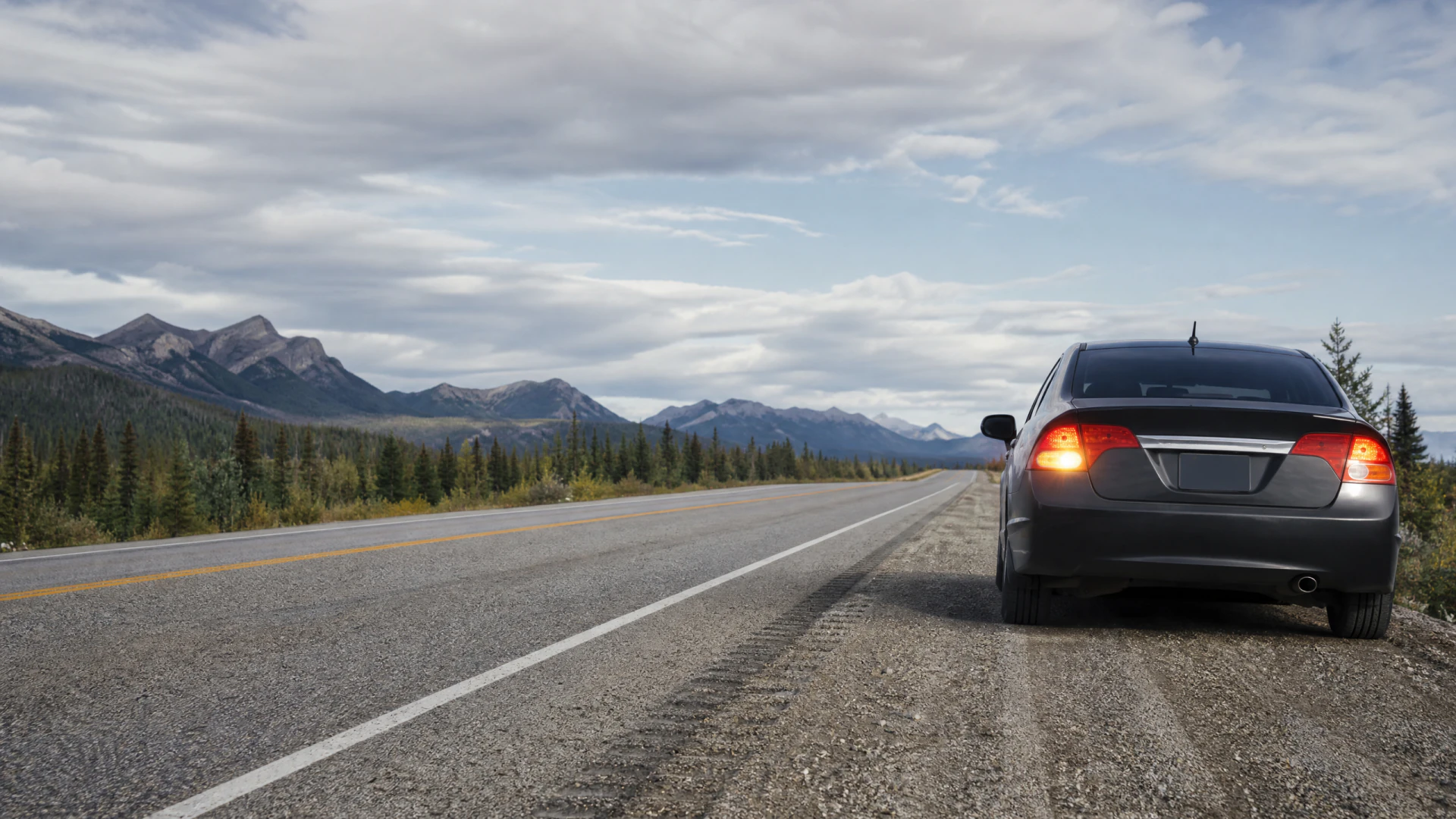
Rental reimbursement versus towing and labor coverage
Rental reimbursement coverage
This pays for a replacement car while yours is being repaired after a covered claim. It only applies when collision or comprehensive is already paying for the damage.
Towing and labor coverage
This pays for getting your car to a shop when it breaks down or won't start, regardless of whether an accident was involved. It covers the tow itself and sometimes roadside labor like a jump start or tire change.
If you worry more about being stranded by a breakdown, lean toward towing and labor; if you worry more about being without a car for days after an accident, this coverage matters more.
Real situations
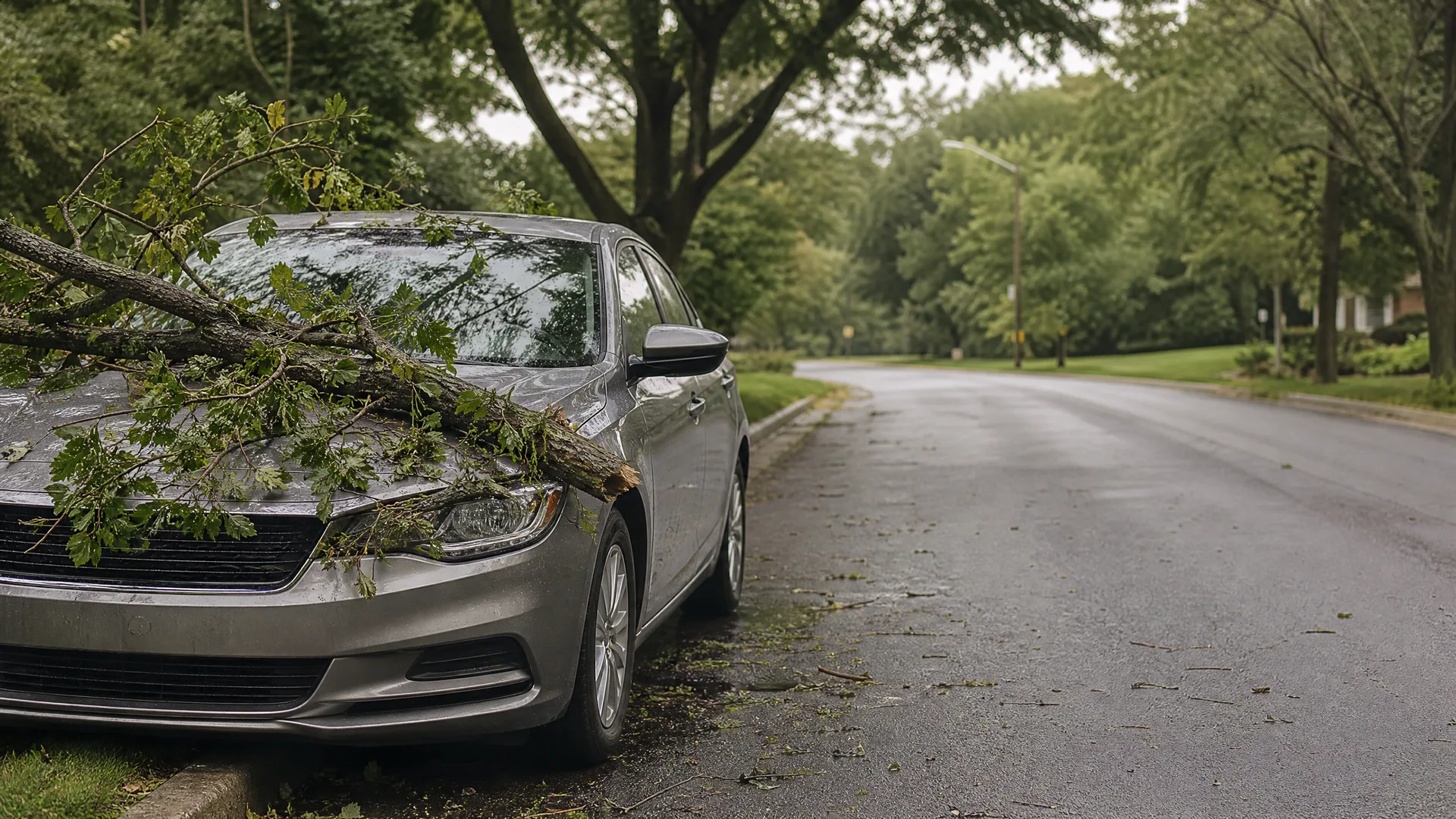
Your car is damaged by hail while parked at church on a Sunday morning.
This pays, since hail damage is a comprehensive claim and the rental coverage rides along with it.
You hit a deer at dusk on a county road and the front end needs significant repair.
This pays, since the deer strike is a comprehensive claim and your car will be in the shop for a while.
Your car won't start one morning because the battery finally died after years of use.
This doesn't pay, since a dead battery is a mechanical issue and not a covered claim.
Once you know whether you want this coverage, where it sits on your policy, or whether you'd rather drop it, you're ready to compare quotes with that decision already made.
Questions people ask about this
Does rental reimbursement cover a loaner car from the repair shop?
Usually not directly, since a loaner comes from the shop rather than a rental company. Some shops bill your insurer anyway, so ask the shop and your insurer how they usually handle it together. If the shop doesn't offer loaners, you'll still need this coverage to get a rental elsewhere.
Can I use rental reimbursement coverage after a hit and run?
Yes, as long as the damage is covered under your policy, which a hit and run usually falls under through comprehensive or collision depending on your state's rules. Check your policy to see which applies to you. Once that claim is approved, the rental benefit works the same as any other covered claim.
Does rental reimbursement coverage transfer if I let someone else drive my car?
It depends on who was driving when the damage happened and whether they're listed on your policy. Check with your insurer before assuming a household member's accident is treated the same as your own. Policies vary by state on this point too.
Is a rental car under this coverage insured the same way my own car is?
Often yes, since your existing liability and other coverages can extend to a rental car you're using while yours is repaired. This varies by policy and state, so it's worth confirming before you decline extra coverage at the rental counter. Your agent can tell you exactly how your policy handles it.
What happens if I don't use up the rental coverage limit on one claim?
Nothing carries over, since the limit applies per claim rather than accumulating over the life of your policy. Each new covered claim starts the same allowance over again. It's not a balance you can save up or add to another claim later.