Trip Interruption Coverage for Seniors
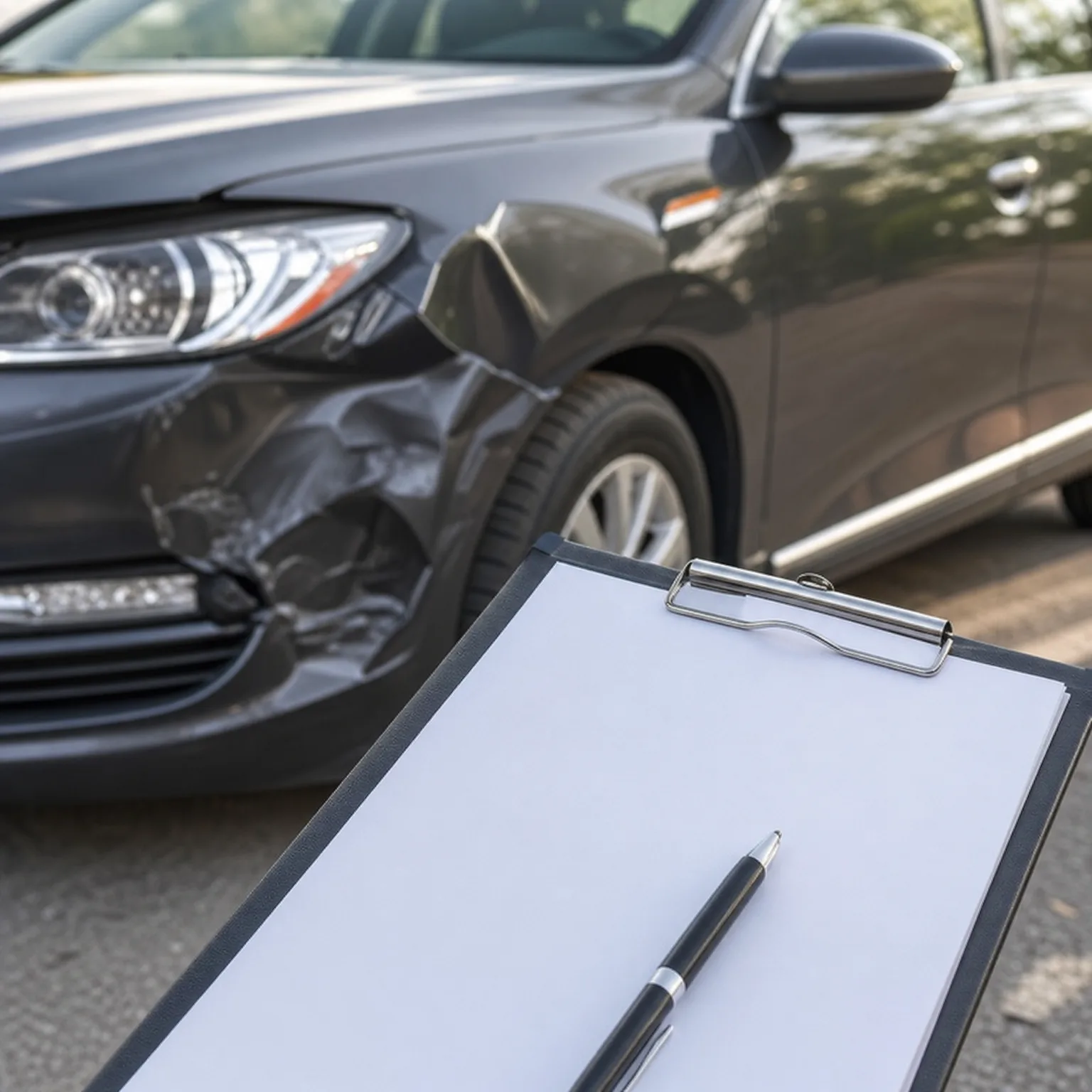
Trip interruption coverage pays for meals, lodging and a way home if your car breaks down or is damaged far from home.
What this coverage pays for
Covers
- Lodging while stranded If your car can't be driven and you're away from home, it covers a hotel room while repairs happen or you arrange another way back.
- Meals during the delay It covers food costs for the time you're stuck waiting on repairs or a tow.
- Transportation home It pays for a bus, train, or plane ticket to get you and your passengers home if the car can't be fixed quickly.
- Return trip for the car Once repairs are done, it can cover getting someone back to pick up the vehicle, or towing it the rest of the way home.
- Rental car during the trip Some policies include a rental so you can continue your trip or get home on your own schedule instead of waiting.
Doesn't cover
- The repair itself This coverage pays for the inconvenience of being stranded, not the cost of fixing the car, which falls under your collision or comprehensive coverage.
- Breakdowns near home Most policies only apply once you're a certain distance from home, so a flat tire in your own town usually doesn't qualify.
- Pre-existing mechanical problems If the car broke down because of a problem you already knew about, the insurer can treat that as a maintenance issue rather than a covered event.
- Trip cancellation before you leave This coverage only starts once you're already on the trip. Canceling ahead of time is a separate kind of coverage entirely.
- Lost vacation costs Nonrefundable hotel bookings or tickets you miss because of the breakdown aren't paid back through this coverage.

Worth it if you still take road trips; skip it if you rarely leave town
The math on this one depends more on your habits than your age. If you still drive long distances to see family, visit a second home, or take road trips, this coverage solves a real problem: it keeps a mechanical failure from turning into a financial and logistical mess in an unfamiliar place.
If your driving is mostly local, errands, church, the doctor, a short loop around town, this coverage has little to do. It only activates once you're a meaningful distance from home, so someone who rarely leaves the area is paying for a benefit they'll likely never use.
What the car is worth matters less here than with other coverages, since this isn't about repairing or replacing the vehicle. It's about covering the cost of being stuck somewhere you didn't plan to be. So even someone with an older, paid-off car might still value it if they drive that car on long trips.
Think about whether you'd be able to absorb an unexpected hotel stay or a same-day plane ticket home without much strain. If a surprise expense like that would be a genuine hardship, the coverage is doing useful work. If it would barely register, you may be fine self-insuring that risk and skipping this line.
How a claim actually goes
There's usually no deductible on this coverage, since it isn't paying for vehicle damage, it's reimbursing costs tied to the delay. You pay for the hotel, meals, or ticket upfront and submit the claim afterward, so you'll want to keep every receipt.
The insurer will ask for proof of the breakdown or accident, often a repair shop invoice or a police report, along with your receipts for lodging, food, or transportation. They compare those against the coverage's limits and reimburse what qualifies.
This coverage doesn't pay for the repair itself, so you'll be handling that through collision or comprehensive at the same time, which can mean two separate claims running at once. Keep paperwork for both organized separately so nothing gets delayed sorting out which claim covers what.
Having your policy number, the shop's contact information, and dated receipts ready when you call speeds things up considerably. Most insurers also want you to report the breakdown within a short window, so it's worth calling as soon as you know you're stranded rather than waiting until you're home.
Trip interruption vs. roadside assistance
Trip Interruption Coverage
This pays for the costs that pile up while you're stranded away from home, like meals, a hotel, and a ticket home. It only applies once you're a meaningful distance from your house and the car can't be driven.
Roadside Assistance
This covers the immediate help you need right where you break down, a tow, a jump start, a locksmith, or someone to bring gas. It applies anywhere, including a few blocks from your house, but it doesn't pay for a hotel or a plane ticket.
If you mostly worry about getting unstuck in the moment, roadside assistance matters more. If you worry about what happens after that, hundreds of miles from home, trip interruption is the one doing the work.
Real situations
You're driving to visit grandchildren a few states away and the transmission fails outside a small town with no rental cars available.
This coverage pays for your hotel and meals while you wait, and for a ticket home if the repair takes days.
A hailstorm damages your car while it's parked in your own driveway overnight.
This coverage doesn't apply here since you're already home, so there's no interruption to a trip.
On a cross-country drive to see an old friend, a deer runs into the road at dusk and damages the car badly enough that it needs to go to a shop for several days.
This coverage pays for your lodging and a way home while the comprehensive portion of your policy handles the vehicle repair.
Once you know whether trip interruption coverage fits how far and how often you drive, you can compare quotes with that decision already settled.
Questions people ask about this
How far from home do I have to be for trip interruption to kick in?
It depends on your policy, since insurers set their own distance requirement before this coverage applies. Check your declarations page or ask your agent for the exact distance written into your policy. Some policies tie it to a number of miles, others to leaving your home state, so it's worth confirming rather than assuming.
Does trip interruption cover a rental car while mine is being fixed?
Sometimes, depending on how the policy is written. Some trip interruption coverage includes a rental as part of getting you home or continuing your trip, while others treat rental coverage as a separate line item entirely. Look at your policy's wording or ask directly, since the two are often bundled together but not always.
Can I add trip interruption coverage if my policy doesn't have it?
In most cases, yes, you can ask your insurer to add it as an endorsement. Whether it's offered at all, and under what terms, can vary by state, so check with your agent about what's available on your policy. It's usually a small addition rather than a separate policy.
Does trip interruption coverage work for trips outside the country?
This varies by policy and sometimes by state, so you'll want to check your specific terms before planning international travel. Many policies limit coverage to domestic trips only. If you travel abroad with your own vehicle, confirm this ahead of time rather than assuming you're covered.
Do I still need trip interruption coverage if I have a credit card with travel protection?
It depends on what your card actually covers, since many travel protections apply to flights and hotels you booked, not a personal vehicle breaking down mid-trip. Read your card's benefits guide closely, because the overlap with car-specific trip interruption coverage is often smaller than people assume.