Towing Coverage for Seniors
Towing coverage pays to have your car pulled from where it broke down or crashed and brought to a shop or other location you choose.
What this coverage actually pays for
Covers
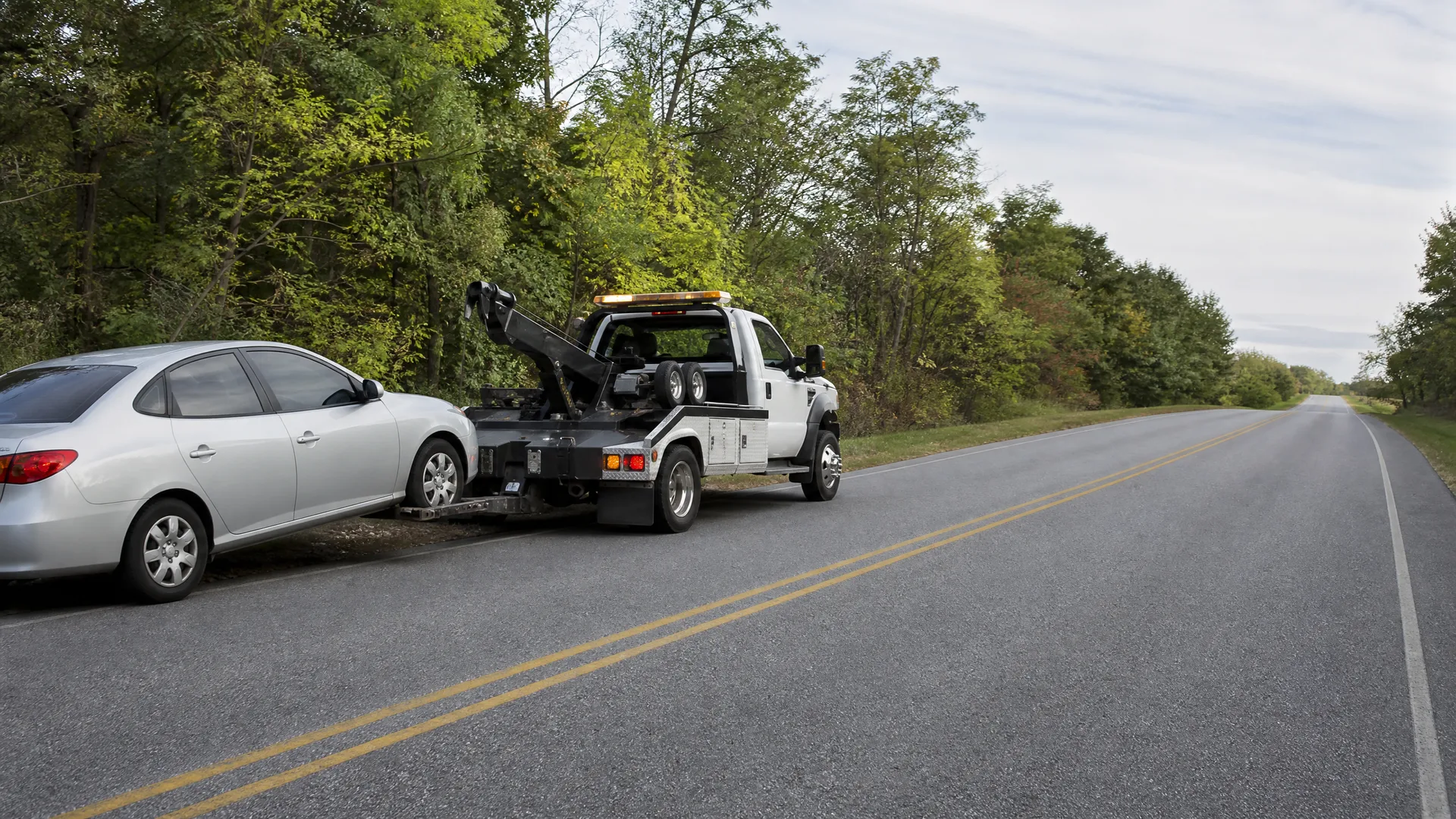
- A tow after breakdown If the car won't start or won't run safely, this pays to have it hauled to a repair shop.
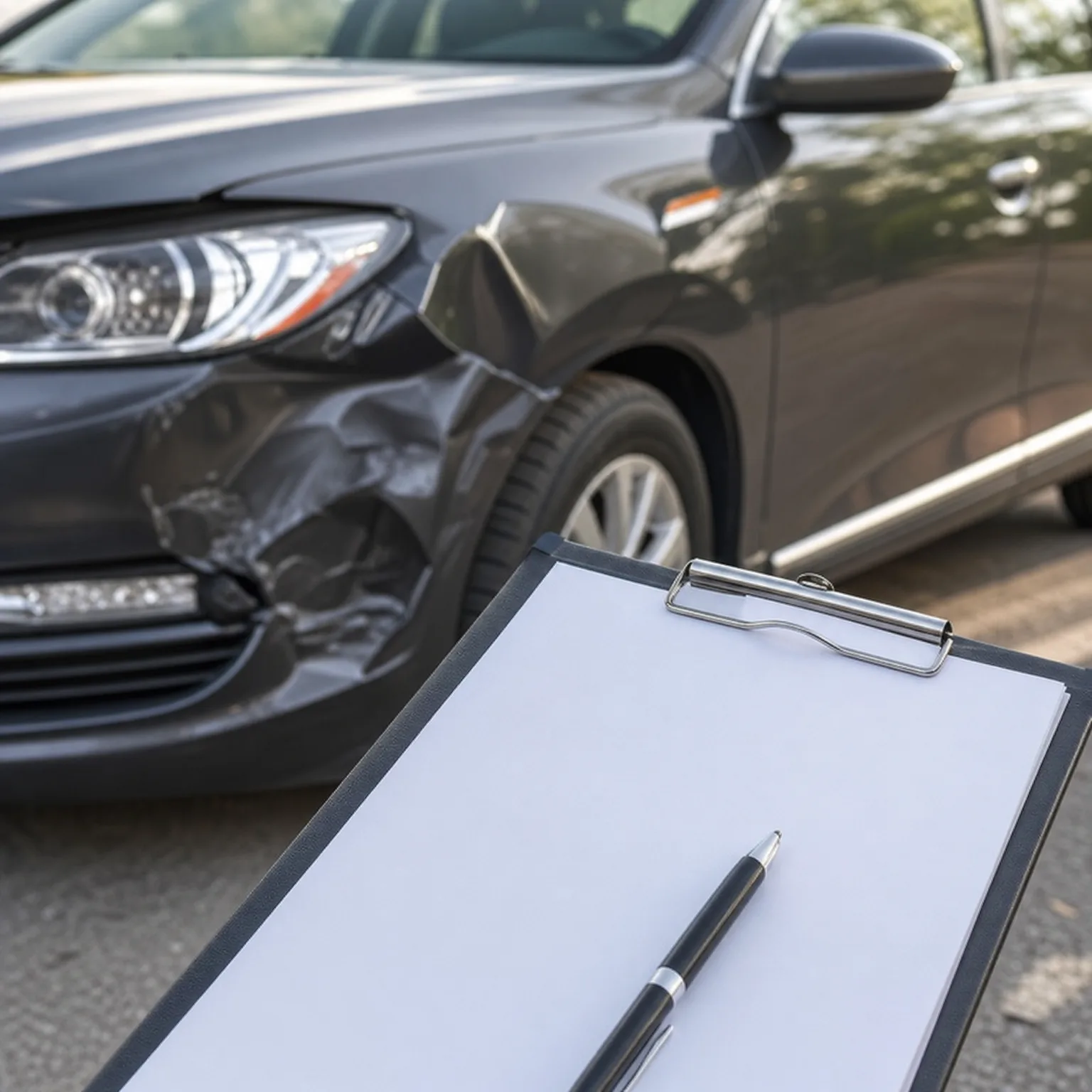
- A tow after an accident If the car is drivable enough to sit at the roadside but not to drive home, this covers getting it moved.
- Lockout help If you're locked out, someone comes to get you back into the car.
- Jump starts and flat tires A dead battery or a flat gets handled on the spot without a tow if that's all it takes.
- Fuel delivery If you run out of gas, someone brings enough to get you to a station.
- Winching out of a ditch or field If the car has slid off the road or gotten stuck, this covers pulling it back out.
Doesn't cover
- The repair itself This pays to move the car, not to fix whatever is wrong with it once it gets to the shop.
- A rental car while yours is in the shop That's a separate coverage, usually called rental reimbursement, and it has to be added on its own.
- Damage from the breakdown If something failed and caused other damage, that falls under your regular collision or comprehensive coverage, not this one.
- Towing after you sell or total the car Once the car is no longer insured under the policy, this coverage stops applying to it.
- Unlimited distance or unlimited tows Policies usually cap how far they'll tow and how often you can use it in a given stretch of time, so check your own policy for the limit.
- A second vehicle you're driving This coverage generally follows the car on the policy, not every car you happen to be driving that day.
For most older drivers, this is worth keeping
The math here isn't really about the coverage itself. It's about what breaks down on the side of the road and what it costs to have it hauled away without any help at all. That cost rarely changes much with age, but your tolerance for standing on a shoulder waiting usually does.
If your car is older and paid off, you might be tempted to drop every add-on you can. This one is worth separating from the others, because it isn't about the car's value, it's about getting you and the car somewhere safe. A twenty-year-old car still needs towing exactly as often as a new one, maybe more.
How much you drive matters more than how much the car is worth. If you mostly make short trips near home, you're less likely to ever need this. If you still drive long distances, visit family in other states, or spend winters somewhere else, a breakdown far from home is a different and more expensive problem to solve on your own.
Where the car sits also matters. A car that lives in a garage and gets driven twice a week has a different risk than one that sits outside and gets used daily on rough roads. If you already belong to an auto club that provides towing, you may be paying for the same thing twice, and that's worth checking before you renew.
What actually happens when you call for a tow
You call the number on your insurance card or use the app, tell them where you are and what's wrong, and they dispatch a tow truck or roadside service to you. There's usually a wait, especially in bad weather when a lot of people are calling at once.
Most towing coverage doesn't have its own deductible the way collision or comprehensive does. Instead it has a per-incident limit, and if the tow costs more than that limit, you pay the rest yourself. It helps to know that number before you need it rather than finding out at the roadside.
Have your policy number, your location, and a way to pay for anything above the covered amount. Tell them where you want the car towed to, since some will default to the nearest shop rather than one you trust.
If the breakdown turns into a bigger claim, like an accident that also needs collision coverage, keep track of the tow receipt separately. It usually gets handled as its own small item even when a larger claim is also moving through the same insurer.

Towing coverage versus roadside assistance from an auto club
Towing Coverage (through your auto insurance)
This is a line on your car insurance policy, paid for as part of your premium, and it usually covers one or a few tows within a set period. It ties the benefit to the car on the policy.
Auto Club Roadside Assistance
This is a separate membership, not tied to a specific car, and usually covers unlimited calls for towing, lockouts, and similar problems. It often includes trip planning and other benefits that have nothing to do with towing.
If you only drive one car and rarely need a tow, the insurance version is usually enough; if you drive multiple cars or travel a lot, a club membership may cover more ground.
Real situations
Your car won't start in the grocery store parking lot on a hot afternoon.
Towing coverage pays to have it hauled to a shop, since this is exactly what the coverage is for.
You hit a deer at dusk on a county road and the car is drivable but something sounds wrong underneath.
Towing coverage pays for the tow to a shop, while the damage itself gets handled separately under collision or comprehensive.
The car is at the shop for a week after that same accident and you need something to drive in the meantime.
Towing coverage doesn't pay for this, since a rental car falls under a different coverage you'd need to have added separately.
Once you know whether you're keeping, adding, or dropping towing coverage, you can compare quotes with that decision already settled.
Questions people ask about this
Does towing coverage cover a locked car?
Yes, most towing coverage includes lockout help as part of the same benefit. It's usually bundled in as one of the roadside services rather than sold separately. Check your policy to see if lockouts count against the same limit as an actual tow.
Can I use towing coverage for someone else driving my car?
Generally yes, since the coverage usually follows the car rather than the driver. If a family member or friend is driving your car and it breaks down, the coverage should still apply. Confirm this with your policy, since some insurers do ask who was driving.
What happens if I need more than one tow in a year?
Most policies cap how many tows or how much total cost they'll cover in a period, so a second or third incident may cost you out of pocket. This varies by policy, so check your own documents for the limit. If you tend to need several tows a year, a membership with unlimited calls might work out better.
Does towing coverage work in another state?
Yes, towing coverage typically applies wherever you're driving the covered car, not just in your home state. This is worth confirming if you travel a lot or spend part of the year elsewhere. Some benefits, like which shop the tow goes to, may be harder to control far from home.
Do I need towing coverage if I have a newer car with a manufacturer warranty?
Not necessarily, since many new cars include free roadside assistance for the first few years under the warranty. If that's the case, adding towing coverage on top may be paying for something you already have. Check how long the manufacturer coverage lasts and what it includes before deciding.