Winter Breakdown Coverage for Seniors
Winter breakdown coverage pays for help when your car won't start or gets stuck in cold, snow or ice, usually as part of your roadside or towing coverage.
What it pays for
Covers
- Battery jump or swap A dead battery in cold weather gets a jump on the spot, or a tow if the car won't start at all.
- Stuck vehicle pull-out If you're stuck in snow, ice or a ditch, a truck comes to pull you back onto the road.
- Tow to a shop If the car can't be fixed roadside, it gets towed to a repair shop or a location you choose nearby.
- Flat tire change Someone comes out to put on your spare or inflate the tire enough to get you to a shop.
- Lockout help If you're locked out while clearing snow or loading the car, someone can get you back in.
- Fuel delivery If you run out of gas or your diesel gels up in the cold, enough fuel gets delivered to get moving again.
Doesn't cover
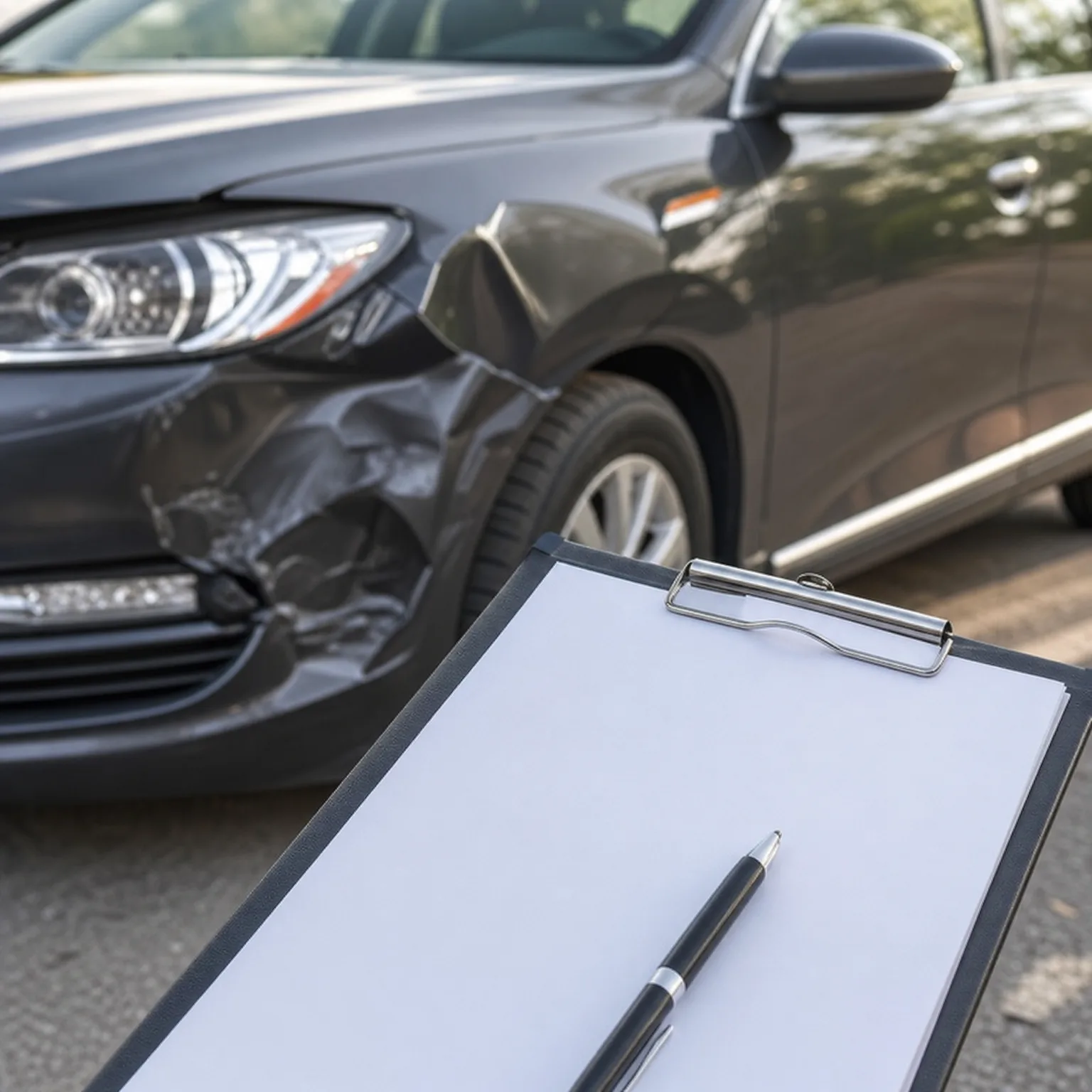
- Damage from the breakdown If being stuck or towed causes actual damage to the car, that's handled by your collision or comprehensive coverage, not this one.
- Repair costs This pays to get you and the car somewhere safe. The actual repair bill is on you or your mechanic, not this coverage.
- Weather damage to the car Hail, falling ice or a tree limb denting the roof is a comprehensive claim, separate from breakdown help.
- Medical costs from an accident If a slide-off becomes a crash with injuries, that falls under your medical payments or health coverage instead.
- Rides for you and passengers Some policies include this separately, but basic breakdown coverage is about the car, not transportation for people.
- Unlimited calls in one season Most policies cap how many times you can use it before a stretch is up, so check your own policy for that limit.
For most older drivers, it's a small cost worth keeping
The math on this coverage isn't really about the car's value, it's about what happens to you standing on the shoulder of a road in January. If you drive in winter at all, even just to appointments and the grocery store, the chance of a dead battery or a slick spot sending you into a ditch goes up, and your tolerance for standing outside waiting for a neighbor to notice goes down.
If your car is older and not worth much, this coverage still makes sense, because it has nothing to do with the car's value. It's about getting you out of the cold and off a bad stretch of road quickly, which matters more as the years go on.
If you rarely drive in winter, keep the car in a garage, and have someone nearby who can come get you without much trouble, you may genuinely not need it. That's a smaller group than people think, but it exists.
If you already have a membership through an auto club or a home warranty service that covers roadside help, you may be paying twice for the same thing. Check what you already have before assuming the gap is on your insurance.

What happens when you call
You call the number on your card or app, tell them where you are and what's wrong, and a truck gets dispatched. There's usually no separate deductible for this coverage, since it's priced and used differently than a collision or comprehensive claim. Check your own policy to be sure how yours is set up.
Have your location, your policy information and a description of the problem ready, since that speeds up dispatch in bad weather when trucks are busy. If you're on a rural road or somewhere cell service is weak, knowing the nearest cross street or mile marker helps a lot.
The payment, if there is one, covers the service call itself, like the tow or the jump. It doesn't cover parts, labor at the shop, or a rental car while yours is being fixed, those are separate coverages if you have them. Ask the shop for a written estimate before repairs start so you know what you're actually paying for beyond the tow.
Breakdown coverage versus rental reimbursement
Winter breakdown coverage
This pays for the tow truck or the jump when your car breaks down or gets stuck. It's about getting you and the car off the road safely, nothing more.
Rental reimbursement coverage
This pays for a rental car while yours is in the shop after a covered repair. It doesn't get you towed in the first place, it just covers the gap afterward.
If you depend on your car daily and have nobody to lend you one, rental reimbursement matters more than people expect, but it only works alongside breakdown coverage, not instead of it.
Real situations
Your car won't start in the church parking lot after an early service on a cold morning.
This pays, since a jump start or tow for a dead battery is exactly what it covers.
You slide into a shallow ditch on a county road after hitting a patch of black ice at dusk.
The pull-out itself is covered, but any dent or damage from the slide goes through your collision coverage instead.
Hail during a spring storm leaves small dents across the hood while the car sits in your driveway.
This doesn't pay, since hail damage is a comprehensive claim and has nothing to do with breakdown coverage.
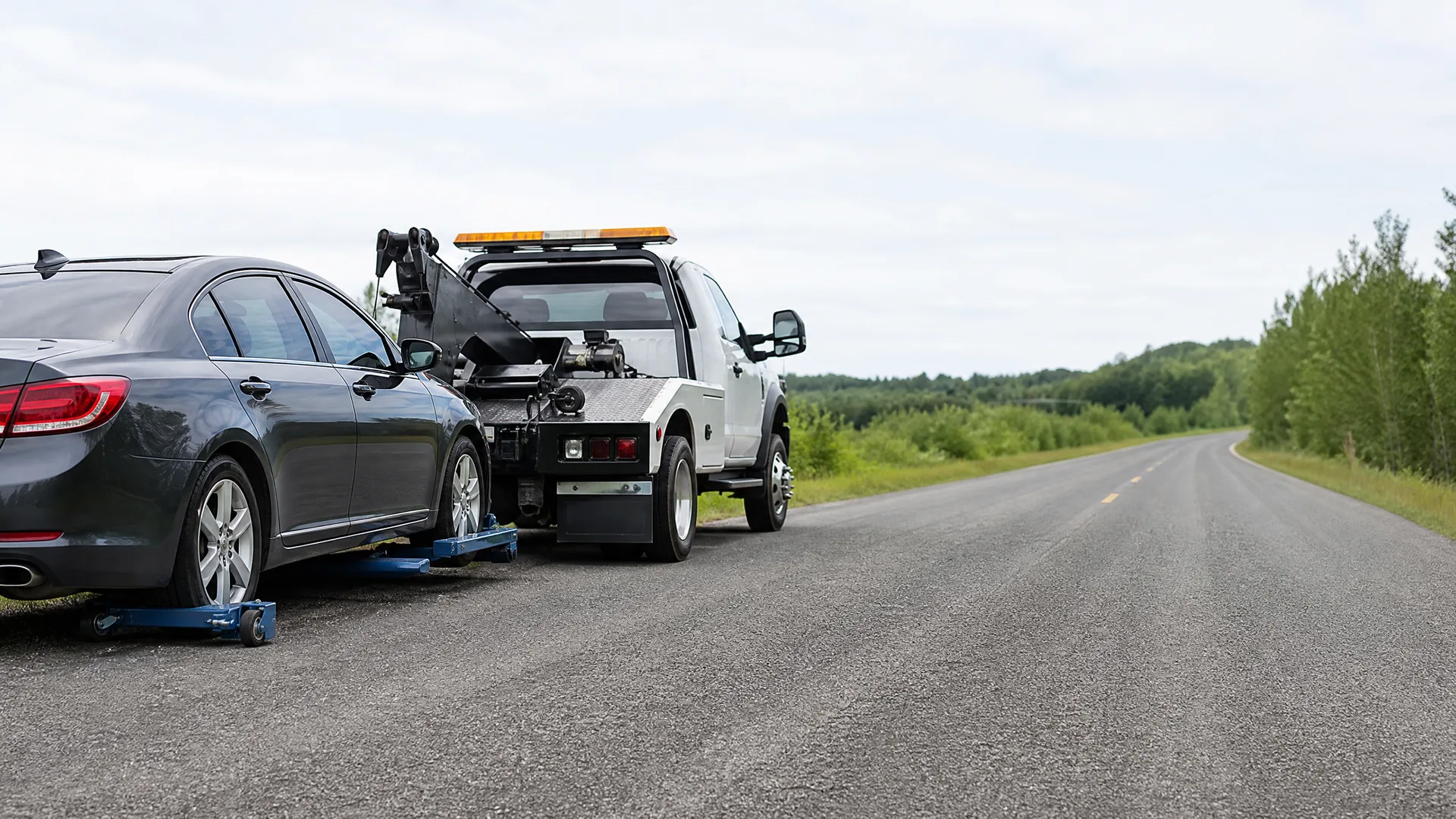
Once you know whether to keep, adjust or drop this coverage, you can compare quotes with that decision already made instead of guessing at what each policy includes.
Questions people ask about this
Does winter breakdown coverage cover a rental car while mine is fixed?
No, it only covers the tow or roadside service itself. A rental while your car is being repaired falls under rental reimbursement coverage if you have it separately, so check your policy for that line.
Can I use breakdown coverage if I'm stuck in my own driveway?
Usually yes, since most policies cover you anywhere the car is disabled, not just on public roads. Check your policy wording, since a few limit coverage to a certain distance from home.
Does breakdown coverage cost more if I live somewhere with harsh winters?
This can vary by state and by how your policy is priced, so check your own policy or a quote for your area rather than assuming a flat answer. Where you keep the car and how often you drive it in winter both factor in.
What if the tow truck can't get to me quickly in a snowstorm?
Response times can slow down during bad weather since demand goes up for everyone at once. It's worth asking your provider what their typical wait looks like during storms so you know what to expect before you need it.
Do I need a separate roadside plan if I already have this coverage?
Not usually, since this coverage is meant to do the same job as a standalone roadside plan. Compare what each one actually includes before paying for both, since overlap is common.