Roadside Assistance After a Health Change
Roadside assistance pays for help when your car breaks down or you can't continue driving it yourself, including a tow, a jump start, or a locksmith on the spot.
What roadside assistance pays for
Covers
- Towing to a shop If the car won't start or isn't safe to drive, it gets towed to a repair shop or a location you choose, usually within some distance.
- Battery jump start Someone comes out to restart a dead battery so you can get where you're going or get home.
- Flat tire change A technician swaps in your spare if you have one, rather than you doing it yourself on the shoulder.
- Lockout help If you're locked out or lost your keys, a locksmith or service technician gets you back into the car.
- Fuel delivery If you run out of gas, someone brings enough to get you to the nearest station.
- Winching or extrication If the car is stuck in a ditch, snow, or mud, this covers pulling it back onto the road.
Doesn't cover
- The repair itself Roadside assistance gets the car to a shop. It doesn't pay for parts, labor, or whatever is actually wrong with it.
- A ride home for you Some plans tow the car but don't arrange a ride for the driver. Check your own policy for what it actually promises.
- Medical transport If the health change means you need an ambulance or medical attention, that's a health question, not something this coverage touches.
- A replacement car If your car is out of service for days, a rental or loaner comes from a separate coverage, not this one.
- Routine maintenance calls This isn't a standing service for oil changes or checkups. It's for a car that's stuck or disabled right now.
- Unlimited tows in a year Most policies cap how many times you can use this before it stops paying. Check your own policy for the limit.

For most older drivers, this is worth keeping, but not worth overpaying for
The value of this coverage has almost nothing to do with the car and everything to do with what happens if you're stranded. A breakdown at night, in bad weather, or on a road you don't know well is a different problem at seventy than it was at forty. The coverage itself is cheap compared to almost anything else on the policy, which is part of why it's easy to ignore.
If you still drive regularly, especially longer trips to see family or get to appointments, this earns its keep. The risk isn't really about the car failing, it's about what you do next if it does, and whether you want to be making that decision from the side of a highway.
If a health change means you're driving less, or mostly short trips near home, the math shifts. You might already have something similar through a membership or a program tied to your phone, and paying for it twice doesn't make you safer, just poorer. Look at what you already have before assuming you need this.
Where the car sits matters too. A car that lives in a garage and only goes to the grocery store has a different risk profile than one that sits outside and gets driven on rural roads. Be honest with yourself about which one describes you now, not which one described you five years ago.

What actually happens when you call
You call the number on your card or app, tell them where you are and what's wrong, and someone dispatches a truck or technician to your location. There's usually no deductible on this coverage specifically, since it's priced separately from your collision or comprehensive coverage. You pay nothing out of pocket for the service call itself, up to whatever your plan covers.
Have your location ready, along with a description of the problem and whether anyone is with you. If you're not sure exactly where you are, your phone's location can usually tell the dispatcher more precisely than you can from memory.
The payment covers getting you and the car unstuck, not fixing what caused the problem. If the issue turns out to be something that needs real repair, that gets billed separately to whatever covers mechanical or collision repairs, and you'll want to know ahead of time what that coverage actually includes.
Keep in mind this is a service, not a reimbursement. You're not filing a claim and waiting for a check. Someone shows up, does the work, and that's the end of it unless something else is wrong with the car.

Roadside assistance versus towing and labor coverage
Roadside Assistance
This is usually the broader of the two, covering jump starts, lockouts, fuel delivery, and towing all under one service. It's often sold as a package and tends to include more than just the tow itself.
Towing and Labor Coverage
This is a narrower, older-style coverage that mainly pays for the tow and some roadside labor, without the broader extras like lockout or fuel delivery. It sometimes shows up as a line item from older policies.
If your policy already has towing and labor listed, check what it actually includes before assuming you need to add roadside assistance on top of it.
Real situations
You're driving home from a doctor's appointment and the car won't start again after you stop for gas.
This pays. A dead battery and the need for a jump start or tow is exactly what this coverage is for.
A hailstorm hits while you're parked at church and dents the hood and roof.
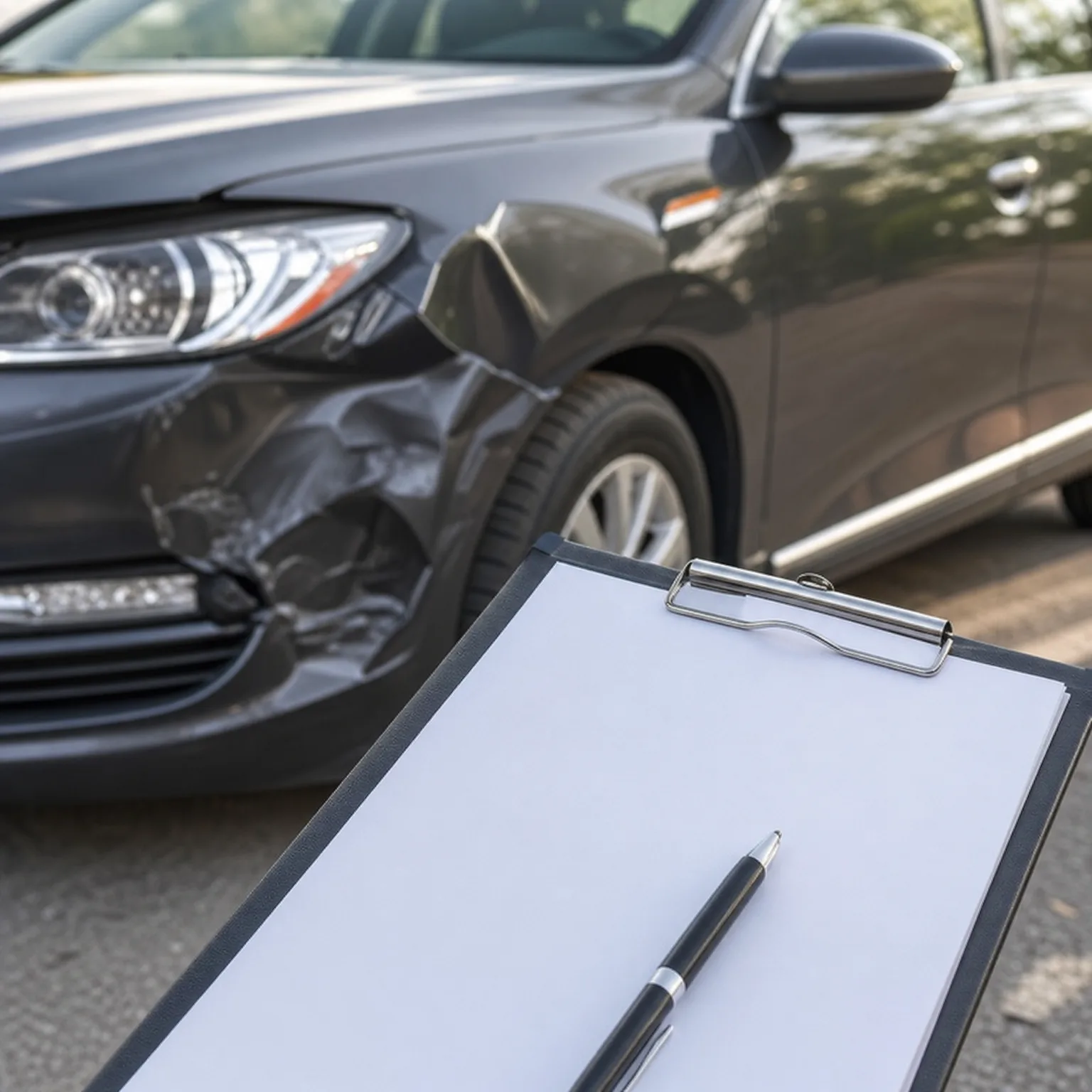
This doesn't pay. Hail damage is a comprehensive claim, not a roadside assistance situation, since the car still runs.
You hit a deer at dusk on a county road and the car is drivable but something sounds wrong underneath.
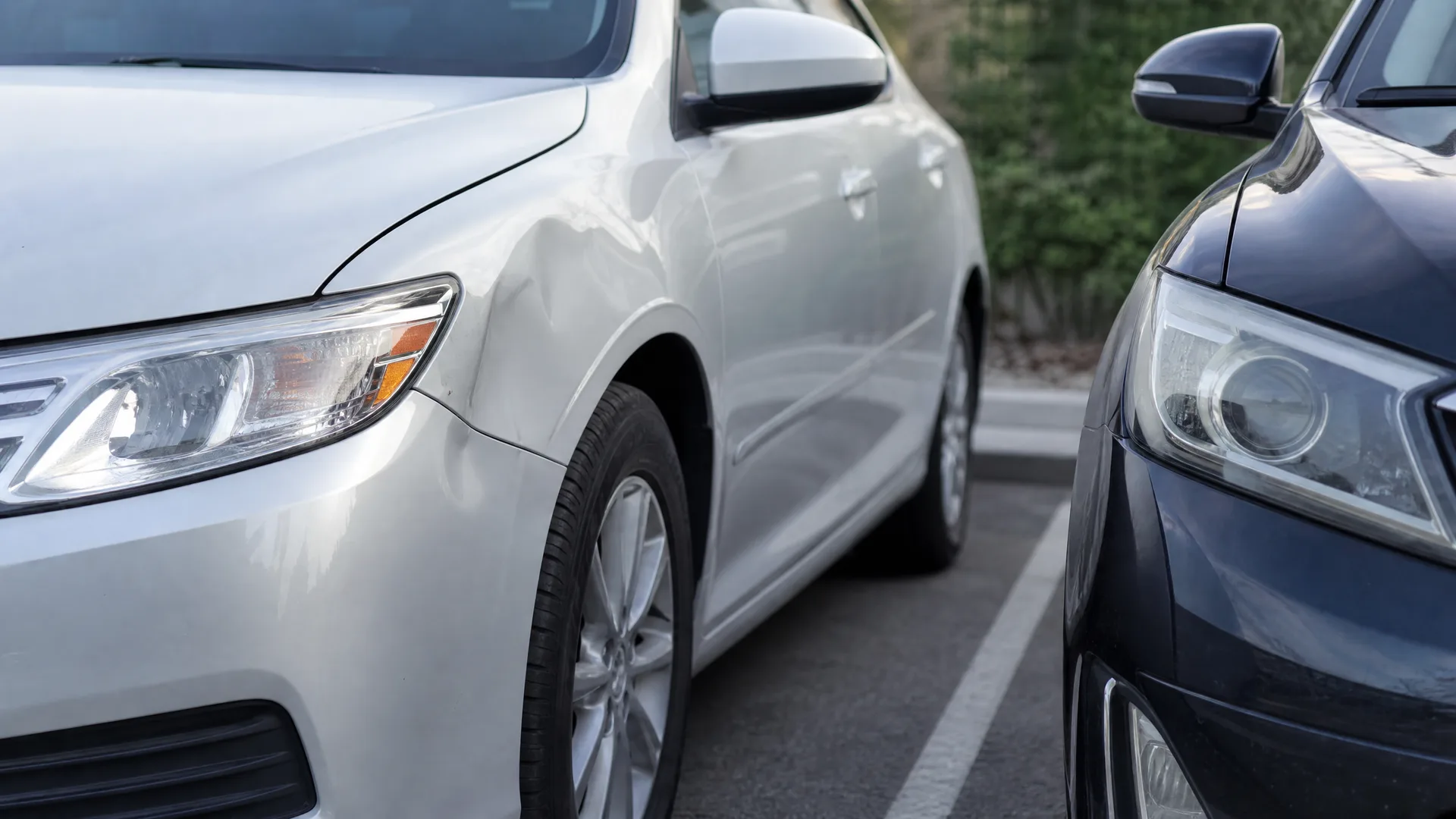
This pays for the tow to a shop, but the collision damage itself is handled by your collision coverage, not this one.
Once you know whether you'll keep, add, or drop roadside assistance, you can compare quotes with that decision already settled.
Questions people ask about this
Does roadside assistance cover a car that won't start because of a dead alternator?
Yes, it covers getting the car towed once it's clear a jump start won't fix it. The alternator repair itself is a separate mechanical cost, not part of this coverage. Check with the shop first since sometimes a jump will get you there even with a failing alternator.
Can someone else use my roadside assistance if they're driving my car?
Usually yes, since this coverage is typically tied to the vehicle rather than the driver. It's worth checking your own policy to confirm, since some plans tie it to a specific listed driver instead. If a family member drives your car often, this is worth clarifying ahead of time.
What happens if I run out of roadside calls for the year?
Once you hit the limit, you'd pay out of pocket for any additional tow or service call for the rest of the term. Some plans renew the count each year automatically, others don't carry it over. Check your policy for how many calls you're allowed and when the count resets.
Is roadside assistance worth it if I have a membership program already?
It depends on what the membership actually covers and whether it overlaps completely with your policy's version. Some memberships cover more vehicles or people, while your insurance version might only cover the one car. Compare what each one actually promises before paying for both.
Does roadside assistance cover a car that's been sitting unused for months?
Yes, a dead battery from a car sitting too long is one of the more common reasons people use this coverage. It doesn't matter why the battery died, only that you need a jump or a tow now. If this happens often, it might be worth asking whether a trickle charger is a cheaper fix long term.