Roadside Assistance for an Older Car
Roadside assistance is a coverage that sends help when your car won't start, gets stuck, or breaks down somewhere other than a repair shop.
What roadside assistance pays for
Covers
- Towing to a shop If the car can't be fixed where it sits, this pays to have it towed to a repair shop or dealer.
- Jump start A technician comes out and gets the battery going again so you can drive to get it tested or replaced.
- Flat tire change Someone comes to swap in your spare if you have one, rather than you doing it on the shoulder of a road.
- Lockout service If you're locked out or the key is lost inside the car, this covers someone coming to get you back in.
- Fuel delivery If you run out of gas or put in the wrong fuel, this gets enough to you to reach a station.
- Winching or extraction If the car is stuck in snow, mud, or a ditch, this covers pulling it back onto the road.
Doesn't cover
- The repair itself This pays to get the car moved or started, not to fix whatever is actually wrong with it.
- Parts and labor Once the car reaches the shop, the cost of diagnosing and fixing it falls to you or whatever warranty you have.
- Rental car while it's fixed That's a separate coverage, and without it you're on your own for a way around town during repairs.
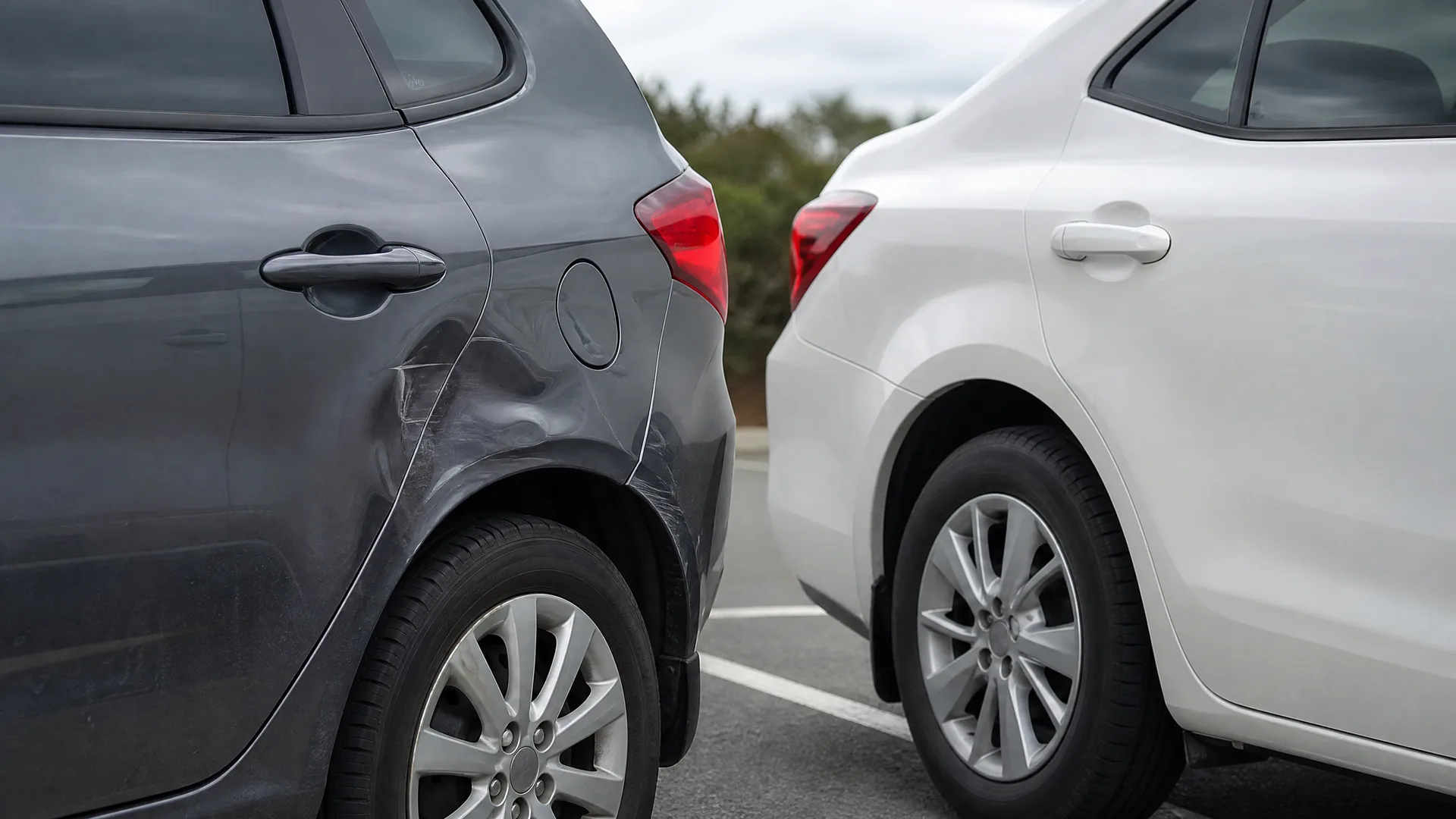
- Damage from an accident If the car needs towing because of a crash, that typically runs through your collision coverage instead.
- Unlimited calls every year Most policies set a limit on how many times you can use this in a year, so check your own policy for that number.
- A tow to any distance you want Coverage usually includes the cost of reaching the nearest capable shop, not necessarily your preferred one across town.
For most older cars, yes, this is worth keeping
The case for this coverage has little to do with the car's value and everything to do with what happens when it won't start. An older car has more moments where it simply won't turn over, and you want a number to call rather than a search for a tow truck while standing in a parking lot.
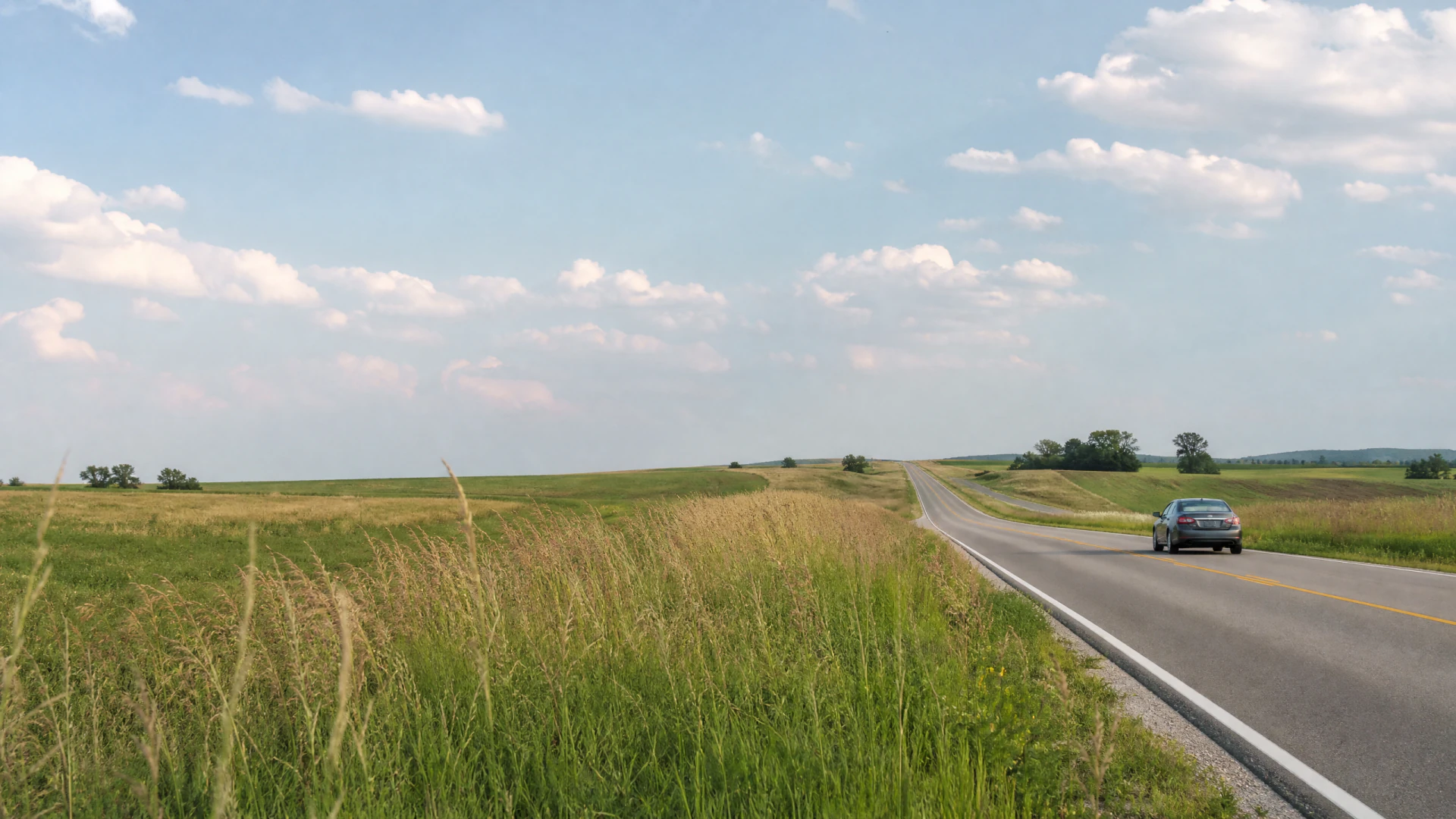
If you still drive regularly, especially longer trips or roads with weak cell signal, this matters more. A breakdown on a quiet stretch of highway is a different experience at seventy than it was at thirty, and having someone already lined up to come to you removes a lot of that.
If the car mostly sits in the driveway and only goes to the store and back, the case weakens a little, since you're rarely far from help you could call yourself. But even then, a dead battery or a lockout can happen in your own driveway just as easily as anywhere else.
The cost of this coverage tends to be small next to what it saves you in a bad moment, so dropping it to save a little is rarely where the real savings are in a policy. It's worth checking what you're paying for it against what towing would cost you out of pocket if you needed it twice this year.
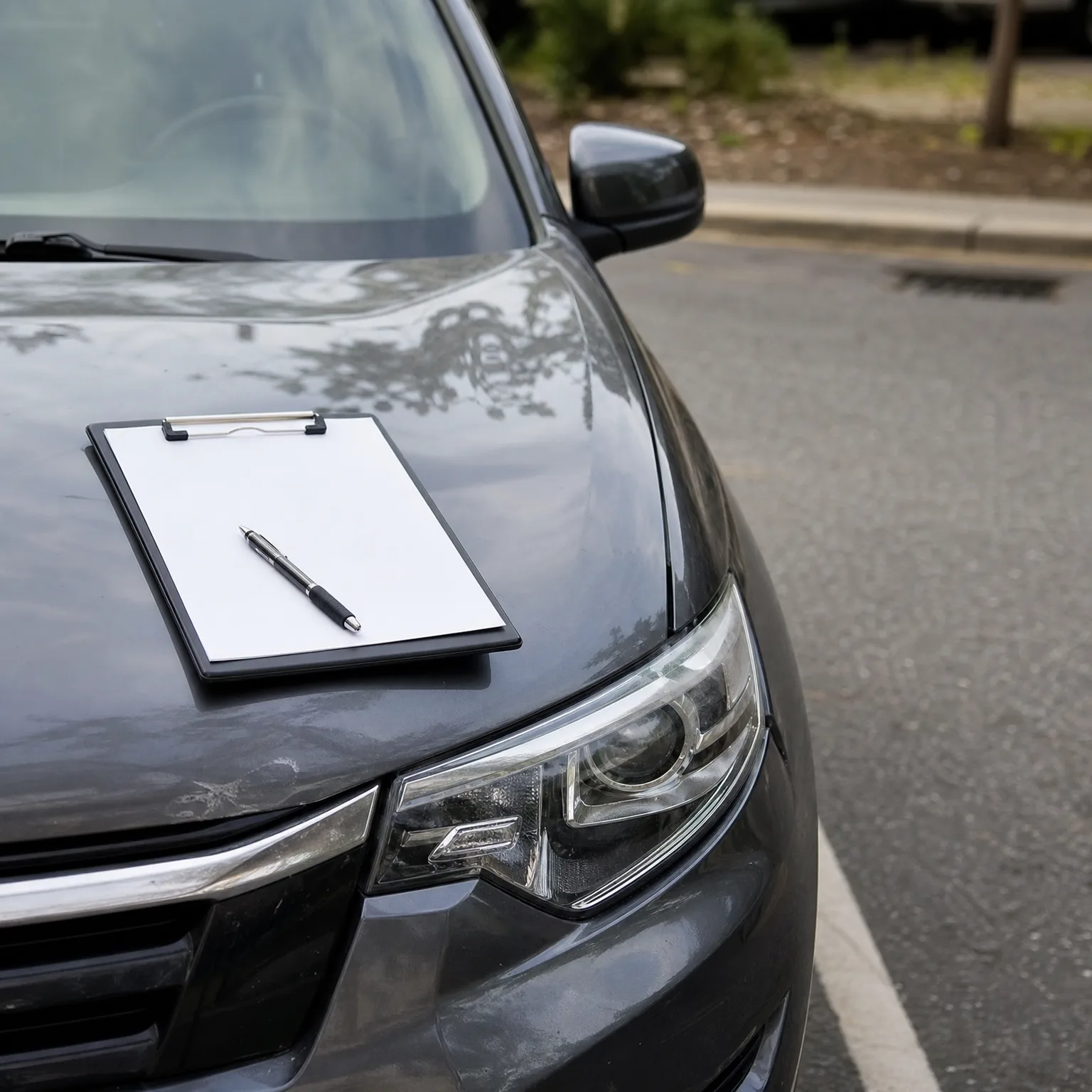
What happens when you call for help
There's usually no deductible on this coverage, so you call a number on your card or app, describe where you are and what's wrong, and someone gets dispatched to you. You pay nothing at the time beyond anything outside the coverage, like a tow that goes further than the policy allows.
Have your policy information ready, along with your location and a description of the car. If you're on a highway or somewhere unsafe, stay in the car with your seatbelt on and hazards flashing until help arrives, rather than standing outside near traffic.
The payment covers the service call itself, the technician's time, and the tow if one is needed. It doesn't cover whatever repair the shop ends up doing once the car is there, so you'll still get a separate bill for that part.
Keep a note of how many times you've used it this year, since most policies limit the number of calls before you'd be paying out of pocket for additional ones.
Roadside assistance vs. towing and labor coverage
Roadside assistance
This covers a wider range of situations beyond towing, including jump starts, lockouts, fuel delivery, and getting unstuck. It's usually bundled as its own line with a broader set of services attached.
Towing and labor coverage
This is a narrower, older-style coverage that mostly just pays for a tow and some labor at the scene, without the lockout or fuel delivery extras. Some policies still use this name instead of roadside assistance.
If your policy offers the fuller roadside assistance option, it's usually worth choosing over the narrower towing and labor version for the same or similar cost.
Real situations
You come out of church on a Sunday and the car won't start, and you suspect the battery finally gave out after years of use.
This pays for a jump start on the spot, and if that doesn't work, the tow to a shop.
You hit a deer at dusk on a county road and the car is drivable but has real damage to the front end.
This doesn't pay for that, since accident damage runs through your collision coverage instead.
You lock your keys in the car at the grocery store and don't have a spare with you.
This pays for a lockout service to get you back into the car without breaking a window.
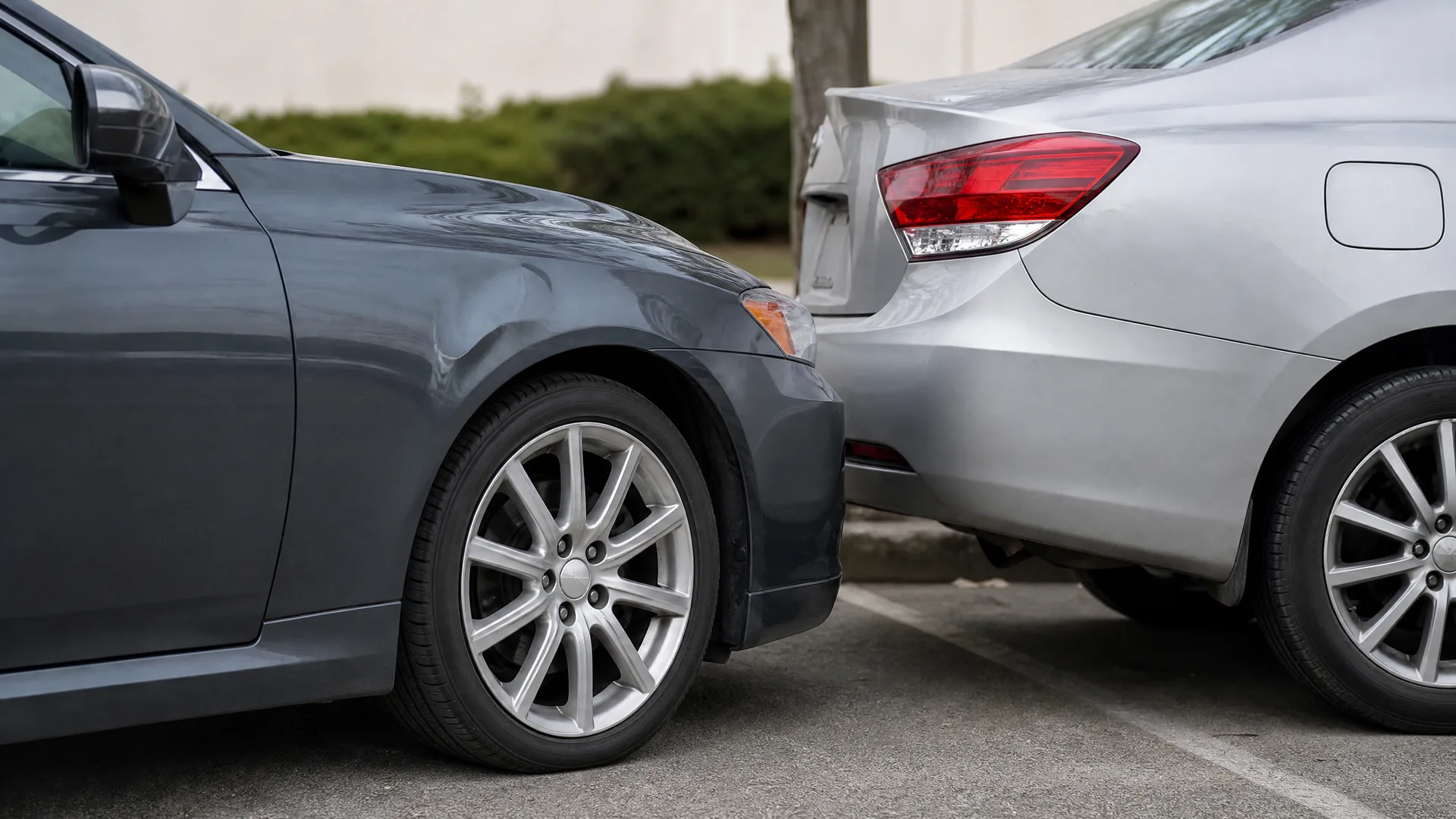
Once you know whether you want to keep, add, or drop this coverage, you're ready to compare quotes with that already decided.
Questions people ask about this
Does roadside assistance cover a car that won't pass inspection?
No, this coverage is only for getting a disabled car moving or towed, not for inspection or repair issues found afterward. Once the car reaches a shop, whatever it needs to pass inspection is a separate cost. Check your policy or the shop for what that involves.
Can someone else drive my car and still use my roadside assistance?
Usually yes, since this coverage is typically tied to the vehicle rather than the driver. If your adult child or a friend is driving your car and it breaks down, the same coverage should apply. It's worth confirming this detail on your own policy since it can vary.
What if I already have roadside help through my phone plan or a membership?
Then you may be paying for overlapping coverage, and it's worth comparing what each one actually includes before keeping both. Some memberships offer more annual calls or longer tow distances than what's bundled into your auto policy. Look at the details rather than assuming they're the same.
Does roadside assistance affect my rate if I use it?
This varies by policy, and some insurers treat it differently than filing a claim on your collision or liability coverage. Using this type of service call typically isn't treated the same as an at-fault accident claim. Check with your policy on how this specific coverage is handled.
Is roadside assistance available if I'm driving someone else's car?
This depends on how the coverage is set up on your policy, since some follow the driver and some follow the vehicle. If you're a passenger or occasional driver in someone else's car, don't assume your own coverage travels with you. It's worth confirming before you're relying on it away from home.