Roadside Assistance After Moving to a Retirement Community
Roadside assistance is coverage that sends help when your car breaks down, won't start, or gets stuck, wherever you happen to be, including around a retirement community.
What roadside assistance pays for
Covers
- Tow to a shop If the car won't run, a truck comes and takes it to a repair shop or dealer.
- Battery jump start If the battery dies in a parking lot or your own driveway, someone comes to start it.
- Flat tire change If you have a spare, they'll put it on so you can drive to get the flat repaired.
- Lockout help If you lock your keys inside, someone comes to get you back in without breaking anything.
- Fuel delivery If you run out of gas, someone brings enough to get you to the nearest station.
- Winching or extraction If you slide into a ditch or soft shoulder, a truck pulls the car back onto solid ground.
Doesn't cover
- The actual repair bill Roadside assistance gets the car to a shop, it doesn't pay what the mechanic charges once it's there.
- A rental car while yours is fixed That's a separate coverage, often sold alongside this one but not included in it.
- Damage from the breakdown itself If a dead battery or blown tire causes an accident, that damage falls under your regular collision or liability coverage.
- Routine maintenance Oil changes, new tires, or a battery that's simply old are on you, this coverage responds to the breakdown, not the upkeep.
- Unlimited tows in a short stretch Most policies cap how often you can call for service before limits kick in, so check your own policy for how it's set up.
For most older drivers still on the road, this is worth keeping
The math here isn't about the odds of a breakdown, it's about what a breakdown costs you if you have nothing in place. A tow alone can run more than most people expect, and that's before anyone looks at the car. Weighed against what this coverage costs, it's a small amount to carry.
How much you drive matters more than age does. If you're still making regular trips, to appointments, to see grandchildren, to church or the store, you're exposed to the same roadside risks as anyone else. A car that mostly sits in a garage and comes out once a week is a different case.
Where you live changes the calculation too. If the retirement community is out past where a tow truck normally runs, or down a long private road, getting help can take longer and cost more without this coverage smoothing it over. Ask what's actually nearby before you decide.
If the car is older and not worth much, some people decide the coverage costs more over the years than a tow or two would. That's a fair call to make once you've looked at what you drive and how far help has to come.
What happens when you actually call
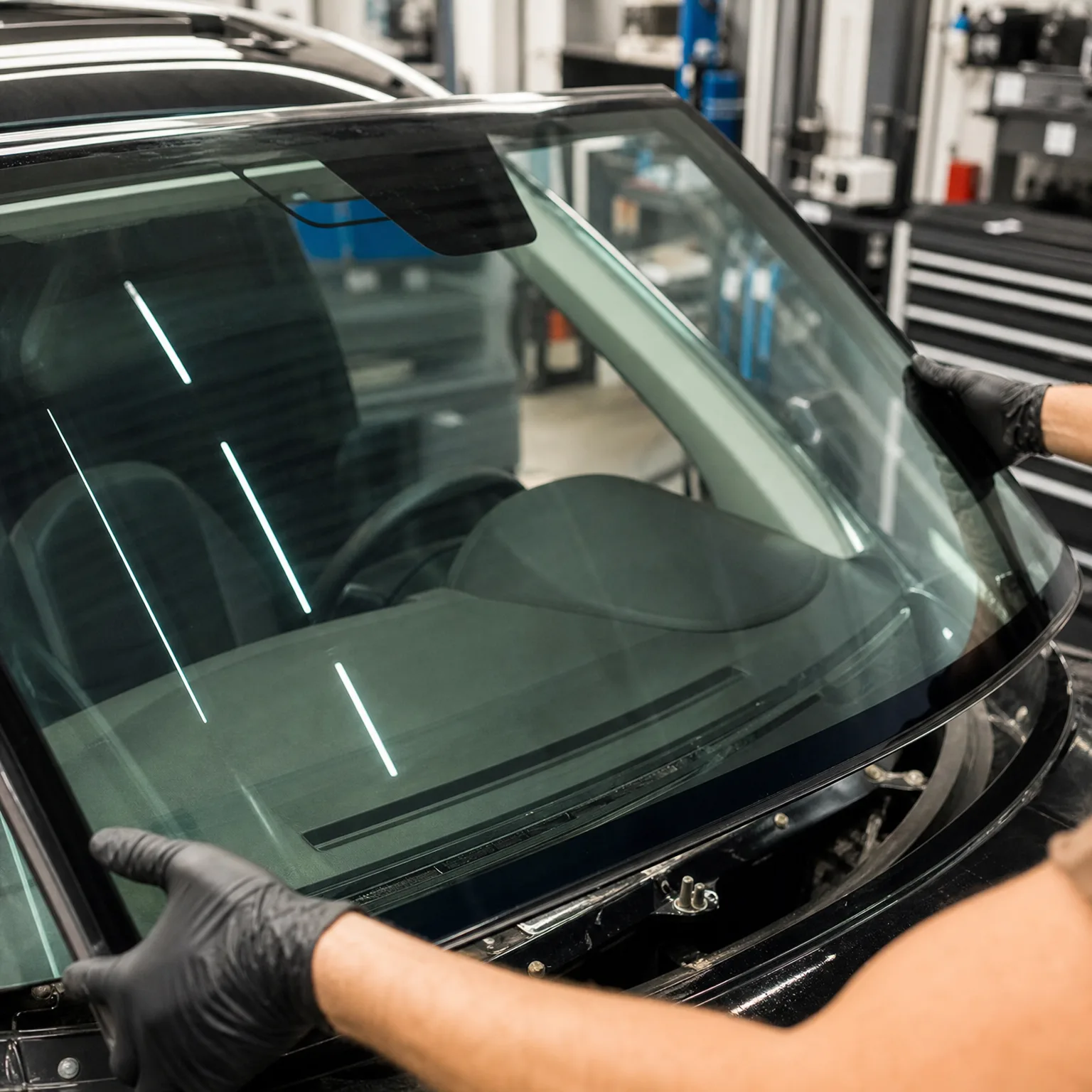
You call the number on your card or app, tell them where you are and what's wrong, and they dispatch a truck or local service provider to you. Most policies don't have a deductible for this coverage, you pay nothing out of pocket for the dispatch itself, though check your own policy since that detail can vary.
The driver handles what they can on the spot, a jump, a tire change, a lockout, or hooks up the car to tow it if it needs a shop. You decide where it gets towed, within whatever distance the policy allows, so have a shop in mind before you call if you can.
Have your policy number, your location, and a description of the problem ready when you call, it speeds things along. If you're not near the car, like someone called you after it broke down, someone still needs to be there to hand over keys and sign off.
What this coverage pays is the cost of getting you and the car to safety and to a shop. It doesn't pay for what the shop finds once they look under the hood.
Roadside assistance vs. towing and labor coverage
Roadside assistance
This is the version most insurers sell, bundled with other coverages, that includes towing along with jump starts, lockouts, and fuel delivery. It's usually billed as one coverage with several services under it.
Towing and labor coverage
Some older policies, or some insurers, break this out as a narrower coverage that only pays for the tow itself and labor at the roadside, without the broader list of services. It can be cheaper but it covers less.
If you want one call that handles almost anything short of a repair, lean toward the broader roadside assistance version, if you only ever worry about being towed, the narrower one may be enough.
Real situations
You're in the church parking lot after a Sunday service and the car won't start, it just clicks.
This pays, a jump start or tow is exactly what this coverage is for.
A deer runs into the road at dusk on the county road near the retirement community and you hit it, the car is drivable but the fender is crushed.
The tow from the scene is covered if you need one, but the fender repair falls under your collision coverage instead.
The car has been sitting for two weeks and the battery is old, it finally won't hold a charge at all anymore.
The jump start is covered, but if the battery needs replacing, that cost is on you, it's maintenance, not a breakdown.
Once you know whether you're keeping, adding, or dropping this coverage, you can compare quotes with that already settled.
Questions people ask about this
Does roadside assistance cover me as a passenger in someone else's car?
Often yes, many policies attach this coverage to you as a driver, not just to one car, so check your own policy for how it's worded. If it follows you, you're covered riding with family or friends too. If it's tied to the vehicle instead, it only applies in that car.
Can I use roadside assistance for a car I don't own, like a rental?
Usually yes, if the coverage is attached to you rather than the vehicle. It depends on how your policy is set up, so this is worth confirming before a trip where you'll be renting. Some rental companies also sell their own version, which can overlap with what you already have.
Will calling roadside assistance raise my insurance rate?
It's not treated the same way as an accident claim, since no one is at fault and no damage is being paid out. Some insurers do track frequency of calls, so check your policy or ask your agent how your plan handles it. A single tow for a dead battery isn't likely to be an issue.
What happens if roadside assistance can't reach me quickly, like in a rural area?
The company still dispatches the nearest available provider, but how long that takes depends on where you are. In rural stretches near some retirement communities, wait times can run longer than they would in a city. It's worth asking ahead what response times look like for your specific location.
Is there a difference between calling my insurer or calling a separate auto club for roadside help?
The service on the ground is often similar, a truck comes and does the same work either way. The difference is usually in how it's billed and bundled, through your insurance policy versus a separate membership. Compare what each option covers before assuming one is better.