Roadside Assistance on Long Road Trips
Roadside assistance is a coverage that sends help when your car breaks down, runs out of gas, or gets stuck, wherever you happen to be when it happens.
What roadside assistance pays for
Covers
- Towing to a shop If the car won't run, a truck comes and hauls it to a repair shop or dealer you choose, usually within a set distance.
- Jump starts A dead battery gets a jump on the spot so you can get back on the road or drive straight to get it tested.
- Flat tire changes Someone comes out to swap on your spare if you have one, rather than you doing it on the shoulder of a highway.
- Lockout help If you lock your keys inside, a technician gets you back in instead of you breaking a window.
- Fuel delivery If you run out of gas, someone brings enough to get you to the nearest station.
- Winching or extraction If you slide into a ditch or soft shoulder, a truck pulls your car back onto solid ground.
Doesn't cover
- The repair itself Roadside assistance gets the car to a shop, it doesn't pay for parts or labor once it's there.
- A new battery or tire The service jumps a dead battery or mounts your spare, but the cost of replacing either one is on you.
- Damage from the breakdown If a dead battery or blowout causes a wreck, that damage falls under your collision or liability coverage, not this one.
- A rental car Getting you and the car somewhere isn't the same as getting you around while it's in the shop, that's a separate coverage.
- Unlimited tows in a year Most policies cap how many times you can call for service before you're paying out of pocket or facing higher costs to renew.
- Help for a car you don't own Coverage usually follows the vehicle on the policy, so a rental or a borrowed car may not be included.
Worth keeping for almost anyone who drives long distances
If your car is older and fully paid off, the math still tends to favor keeping this coverage, because the alternative is standing on a county road arranging your own tow. The cost of a single long tow, especially on an interstate far from home, is usually more than years of carrying this coverage.
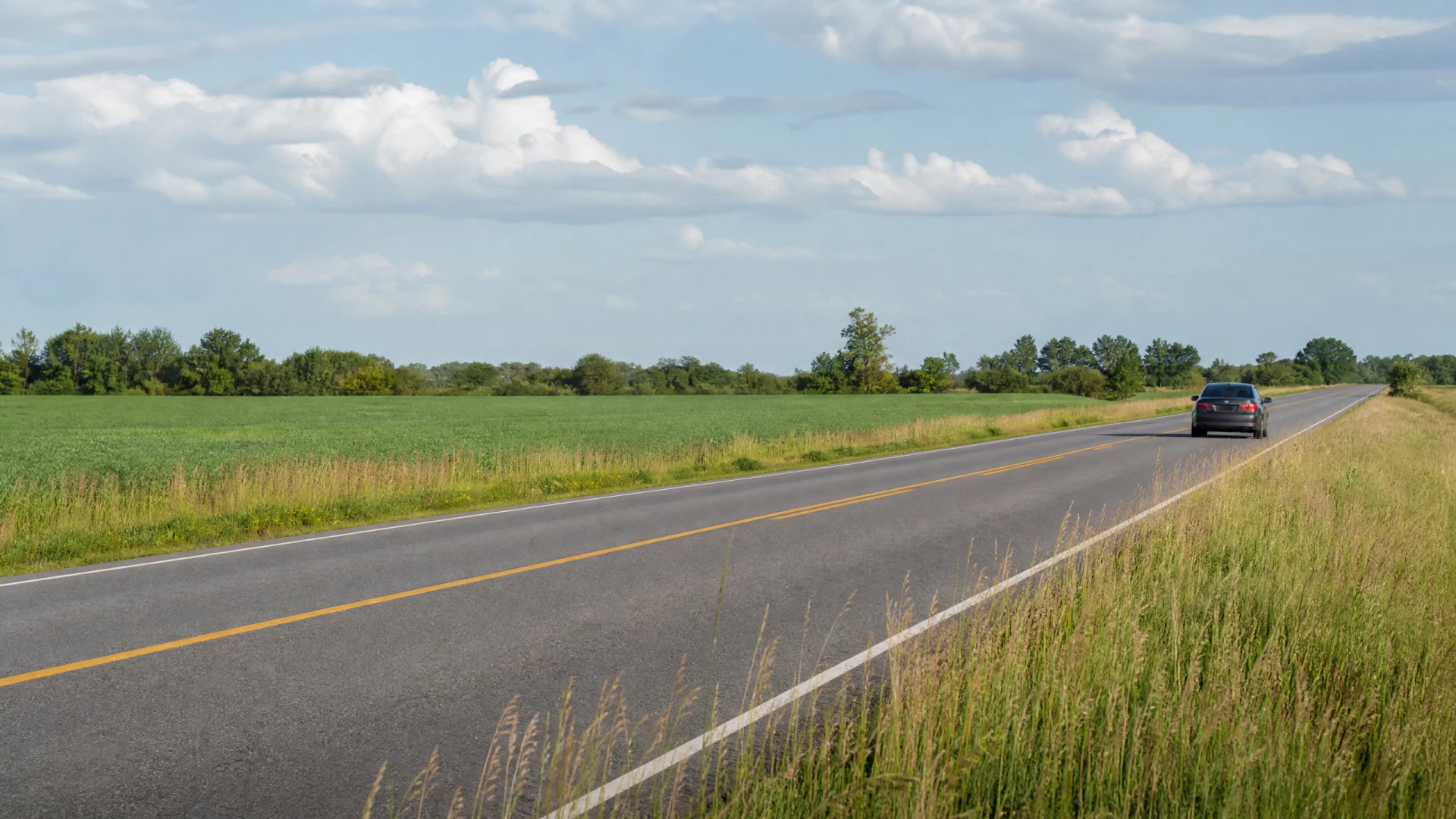
How much you drive matters more than what the car is worth. A long road trip puts you on unfamiliar roads, often with no one nearby who could help if something goes wrong. That's a different situation than a car that mostly sits in the driveway and makes short trips around town. Some people this age have a membership through another source, like an auto club or a program tied to a credit card. If you already have one of those, check what it covers before paying for the same thing twice on your policy.
Where the car spends its time also plays a role. A car that lives in a garage and rarely leaves town has less need for this than one that regularly covers long stretches of highway, especially through areas with spotty cell service where arranging help on your own would be harder.

How a claim actually goes
There's usually no deductible on this coverage, you call a number on your card or in your policy app and someone dispatches a truck. You give your location, what's wrong with the car, and how many people are with you, and they tell you roughly how long the wait will be.
The driver handles the immediate problem, a tow, a jump, a tire change, and either fixes it there or takes the car to a shop. You're usually not asked to pay the driver directly, the service bills your insurer, though charges beyond what's covered, like the tire itself, come out of your pocket.
Have your policy number, your location as exactly as you can give it, and a way to pay for anything outside the covered service. If you're far from home, it also helps to know which shops in the area can actually work on your car.

Often confused with towing and labor coverage
Roadside Assistance
This covers the event itself, the breakdown, the flat, the lockout, wherever you are, and sends someone to deal with it on the spot or get you to a shop.
Towing and Labor Coverage
This is sometimes the exact same coverage under a different name on your policy, or a narrower version that only pays for the tow itself, not the broader list of services.
Check what your policy actually calls this line and what it includes, since the names overlap and the coverage itself varies by insurer.
Real situations
You're driving through a rural stretch at dusk and a deer runs into the road, damaging the front of your car but leaving it drivable enough to limp to a motel parking lot.
Roadside assistance can tow the car the next morning, but the damage itself falls under your collision or comprehensive coverage, not this one.
Your car won't start in a motel parking lot two states from home after a cold night.
This pays for the jump start or tow, that's exactly the situation it's built for, especially far from your usual mechanic.
You get a flat tire on the interstate, pull onto the shoulder, and realize your spare is also low on air.
This pays for someone to come out, but if the spare itself won't hold air, you're likely still paying for a new tire.
Once you know whether you want this coverage and how far it should reach, you can compare quotes with that line of your policy already settled.
Questions people ask about this
How far will roadside assistance tow my car?
It depends on your policy, some cap the distance and charge extra beyond it, others cover the trip to the nearest qualified shop with no real distance limit. Check your policy for a stated radius or mileage cap. If you take long road trips, ask specifically what happens if you break down far from home.
Does roadside assistance cover a rental car?
Often it covers whatever vehicle you're driving, not just the one named on your policy, but this varies and isn't guaranteed. Ask directly whether a rental is included or whether the rental company's own roadside option would apply instead. This matters most if you rent a car for part of a longer trip.
Can I use roadside assistance in another state?
Yes, this coverage generally works anywhere you drive, it isn't limited to your home state. That's part of its value for long trips, since it follows you rather than staying local. Confirm with your policy that there's no regional limitation before you leave.
How many times can I use roadside assistance in a year?
Most policies set a limit on how many service calls you get before you're on your own or facing a cost increase. Check your policy documents for the specific cap. If you drive an older car that breaks down often, this number matters more than the price of the coverage itself.
Is roadside assistance required by my state?
Whether any related coverage is required, or even offered as an add-on, varies by state. Check your own policy or ask your agent directly rather than assuming it's optional everywhere. Some states handle this differently than others, so don't assume your situation matches a friend's in another state.