Roadside Assistance When You Rarely Drive
Roadside assistance coverage pays to get your car towed or helped on the spot when it breaks down, runs out of gas, or won't start, no matter how little you drive it.
What roadside assistance pays for
Covers
- Towing to a shop If the car won't start or isn't safe to drive, it gets towed to a repair shop or your home.
- Jump starts A dead battery gets a jump on the spot so you can get moving or get to a shop.
- Flat tire changes Someone comes out to put on your spare if you have one and the car has a safe place to pull over.
- Lockout help If you lock your keys inside, a service sends someone to get you back in.
- Fuel delivery If you run out of gas, someone brings enough to get you to a station.
- Winching or extraction If the car is stuck in snow, mud, or a ditch but not wrecked, this gets it pulled free.
Doesn't cover
- The repair itself This coverage gets the car to a shop. Whatever the shop finds and fixes is paid out of pocket or through warranty, not this coverage.
- A rental car Needing a car while yours is in the shop is covered separately, usually under rental reimbursement, if you carry it.
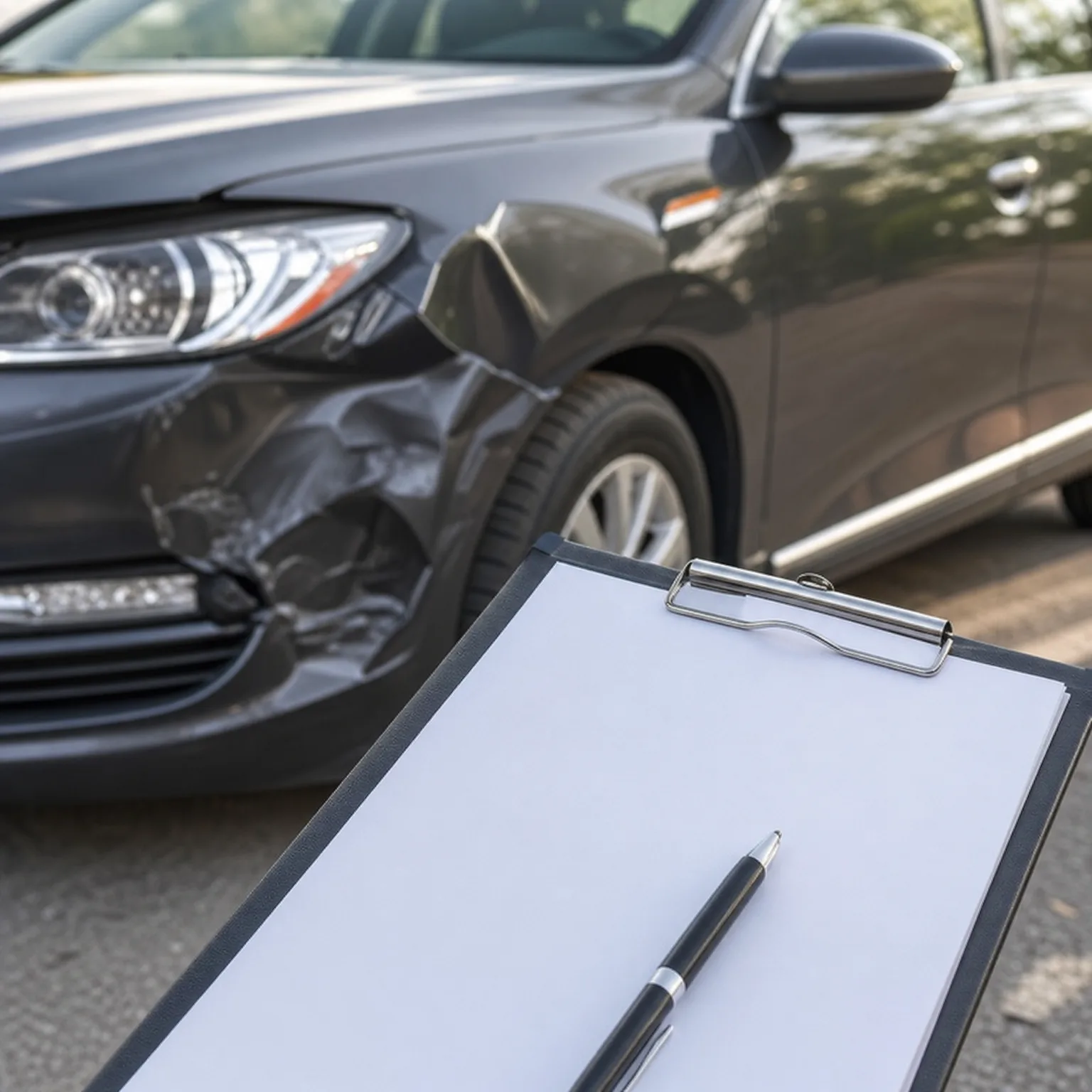
- Damage from an accident If the car is undriveable because of a crash, that falls under your collision coverage, and towing after an accident is often handled there instead.
- Routine maintenance Things like a battery that's simply worn out or tires that are bald aren't emergencies this coverage was built for, even though it may still send a truck.
- Unlimited calls Most policies cap how often you can use this coverage in a given year, so check your own policy for the limit.

For most older drivers who drive occasionally, it's worth keeping
The decision usually comes down to a few plain facts about your situation, not your age itself. Start with the car. An older car that's paid off and worth little isn't where this coverage matters most, since you're not protecting a big asset. But the breakdown itself still costs the same to deal with whether the car is worth a lot or a little.
Think about how you'd actually handle being stranded. If you can comfortably pay for a tow out of savings without a second thought, the coverage is more about convenience than protection. If a tow would be an unwelcome expense, or if you simply don't want to be standing on the shoulder of a road making calls, the coverage earns its keep.
How much you drive matters less than people assume. Even someone who only drives to church, the pharmacy, and a grandchild's house can have a battery die or a tire blow in a parking lot. The risk doesn't disappear with low mileage, it just shows up less often.
Where the car usually sits matters too. A car kept in a garage and driven rarely is less likely to need a jump than one left outside through winter, so your situation may call for less of this coverage than someone else's, not none of it.

What happens when you call
You call the number on your card or app, tell them where you are and what's wrong, and they dispatch a truck or technician. There's typically no deductible for roadside assistance itself, since it's priced as a flat add-on rather than a claim against damage. You pay nothing at the time of service if the job falls within what your plan covers.
Have your policy number, your location, and a description of the problem ready when you call. If you're on a highway or somewhere unsafe, say so, since that can change how quickly help is sent and what precautions they take.
The tow will take you to the nearest qualified shop or a shop of your choosing, depending on your plan and the distance involved. If the actual repair costs are covered under a separate warranty or policy, you'll usually need to start a separate claim for that once the car arrives.
Roadside assistance vs. towing and labor coverage
Roadside assistance
This is usually the broader of the two, covering jump starts, lockouts, fuel delivery, and winching in addition to towing. It's often bundled with other services like trip planning or discounts.
Towing and labor coverage
This is a narrower, often cheaper add-on that mainly pays for the tow itself and any labor performed at the scene, like changing a tire. It typically doesn't include lockout or fuel delivery.
If you want one coverage that handles nearly any roadside problem without thinking about what's included, lean toward full roadside assistance; if you mainly want towing covered and nothing more, towing and labor coverage may be enough.
Real situations
You come out of church on a cold morning and the car won't start because the battery died overnight.
This pays, since a jump start or battery service is a core part of roadside assistance.
A hailstorm hits while your car is parked at the grocery store and dents the hood and roof.
This doesn't pay, since hail damage is handled under comprehensive coverage, not roadside assistance.
You hit a deer at dusk on a county road and the car is too damaged to drive.
This pays for the tow itself, but the deer damage is covered separately under comprehensive coverage.
Once you know whether you want to keep, add, or drop roadside assistance, you can compare quotes with that decision already made.
Questions people ask about this
Can I use roadside assistance if someone else is driving my car?
Usually yes, since roadside assistance is typically tied to the vehicle rather than the driver. Check your policy to confirm whether it follows the car or the named driver, since this can vary by provider.
Does roadside assistance cover me if I'm a passenger in someone else's car?
It depends on how your plan is written, since some tie the benefit to you personally and others tie it to the vehicle. Check your policy documents or call to ask directly, since this detail isn't always obvious from the summary.
What happens if I use roadside assistance too many times in one year?
Most plans cap the number of service calls allowed in a year, and once you hit that limit you'd pay out of pocket for additional calls. Check your policy for the specific limit, since it varies by plan.
Will using roadside assistance raise my insurance rate?
Typically no, since roadside assistance calls aren't treated the same way as claims for damage or liability. It's worth confirming with your provider, since policies can differ in how they classify these calls.
Is roadside assistance worth it if I have a cell phone and can call a tow truck myself?
It depends on whether you want the cost and hassle of finding a tow company handled for you versus paying for it yourself as it comes up. Having the coverage means a known process and no surprise bill, while going without it means more flexibility but more legwork when something goes wrong.