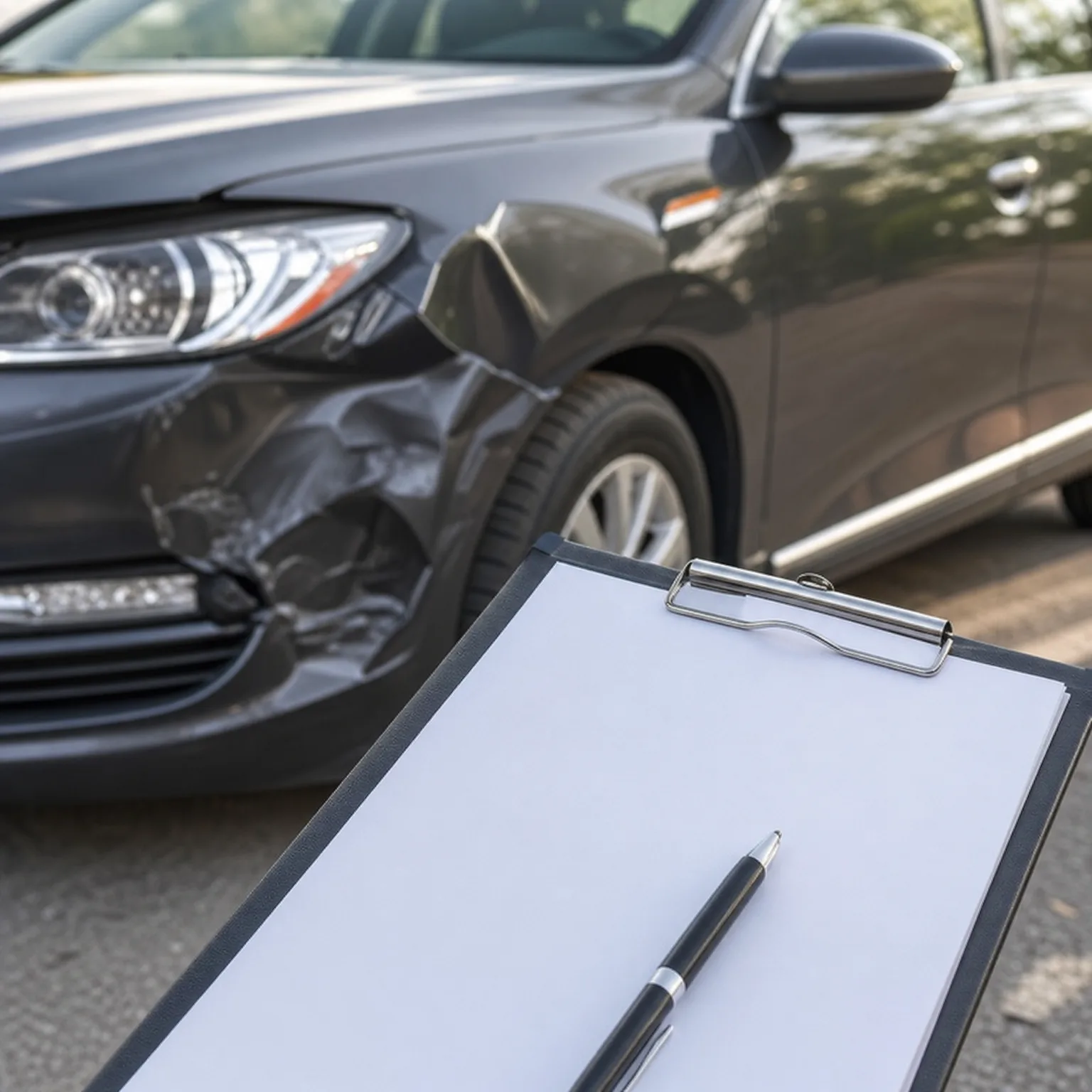
Roadside Assistance for Cars Without a Spare Tire
This coverage sends help when your car won't start, won't move, or has a flat it can't fix on its own because there's no spare in the trunk.
What this coverage pays for
Covers
- Tow to a shop If the car can't be driven safely, a truck takes it to a repair shop or dealer you choose, or the nearest one.
- Flat tire response Since there's no spare, the service either plugs the tire if that's possible or tows the car to get a new one mounted.
- Dead battery jump Someone comes out and jump starts the car so you can get to wherever batteries get tested or replaced.
- Lockout help If the keys are locked inside, a technician comes to get the door open without damaging it.
- Fuel delivery If you run out of gas, someone brings enough to get you to the nearest station.
- Winch or extraction If the car is stuck in mud, snow, or a ditch just off the road, a truck pulls it back onto solid ground.
Doesn't cover
- The tire repair itself The tow gets you to a shop, but paying for a new tire or the repair is on you, not this coverage.
- Mechanical breakdown repair This pays to move the car, not to fix what's actually wrong with it under the hood.
- A rental car If you need something to drive while yours is in the shop, that comes from a separate coverage if you carry one.
- Accident towing If a collision is involved, the tow is usually handled through your collision coverage and its deductible instead.
- Repeated breakdowns in one trip Policies generally expect occasional use, and a car that needs help constantly points to a repair problem, not a roadside one.
For most older drivers, this is worth keeping
The cost of this coverage is small next to what a single tow can run, especially if it happens somewhere unfamiliar or late in the day. For a car with no spare tire, a flat isn't a ten minute fix in a parking lot anymore. It turns into a wait for a truck no matter who you are, so the question is really just who pays for that truck.
What matters more than age is how the car is used. If you still drive regularly, including longer trips to see family or doctors outside your usual area, a breakdown farther from home is more likely and more stressful to handle on your own. A car that mostly sits in the driveway and makes short trips nearby carries less risk, though it still isn't zero.
If money is tight and the car rarely leaves a few familiar miles, you could reasonably decide to handle a tow out of pocket if it ever happens and skip this coverage. But most people keep it because the alternative, standing on the shoulder trying to arrange your own tow truck, is exactly the kind of hassle this is built to remove.
Whether it's required or bundled automatically with your policy varies by state, so it's worth checking your own policy to see how it's set up and what it would cost to add or drop.
What actually happens when you call
You call the number on your policy or app, give your location, and describe what's wrong. A truck or technician is dispatched, and you wait with the car until they arrive. There's usually no separate deductible for this coverage the way there is for collision or comprehensive, so the service itself doesn't cost you anything at the time.
Once help arrives, they'll either fix the immediate problem on the spot, like a jump start or a lockout, or they'll tow the car to a shop of your choosing within a reasonable distance. Have your policy information, your location, and a description of the problem ready when you call, since that speeds things up considerably.
What this doesn't cover is anything beyond getting you and the car somewhere safe. The tire repair, the battery replacement, the actual mechanical fix, all of that gets billed separately once the car is at the shop.
Roadside assistance versus towing and labor coverage
Roadside assistance
This is the broader coverage that includes towing along with jump starts, lockouts, fuel delivery, and extraction from mud or snow. It's meant to cover the range of ways a car can leave you stranded.
Towing and labor coverage
This is a narrower, older style of coverage that mainly pays for the tow itself and some basic roadside labor, without the fuller set of services. Some policies still list it separately under this name.
If your policy only lists towing and labor, ask whether upgrading to full roadside assistance is available, since it covers more of what actually goes wrong.
Real situations
You're driving back from a doctor's appointment and the car won't start in the parking lot.
This pays, since a jump start or tow from that lot is exactly what the coverage is for.
A hailstorm hits while your car is parked at church and leaves dents across the hood and roof.
This doesn't pay, since hail damage is handled through comprehensive coverage, not roadside assistance.
You hit a deer at dusk on a county road and the car is drivable but shaken up, with a flat tire from the impact.
This doesn't pay for the tow in that case, since an accident-related tow typically runs through your collision coverage instead.
Now that you know what this coverage actually does and doesn't do, compare quotes with roadside assistance set up the way you've decided it should be.
Questions people ask about this
Can I use roadside assistance if I'm a passenger in someone else's car?
Often yes, since many policies attach this coverage to the person, not just the vehicle, but this varies by policy and is worth checking directly. If it's tied to you rather than the car, it can follow you into a borrowed or rented vehicle. Look at your declarations page or ask your agent to confirm how yours is written.
Does roadside assistance cover my car if someone else is driving it?
Usually yes, since the coverage is typically attached to the vehicle itself rather than to a specific driver. That means a family member or friend driving your car with permission can generally call for the same help. Check your policy to see whether it specifies anything about who must be driving.
How many times can I use roadside assistance in a year?
Most policies allow a limited number of uses before service stops. The exact structure varies by insurer and by policy, so check your declarations page or call your agent to find your specific allowance. If you're using it often, that may also be a sign the car itself needs attention.
Will using roadside assistance raise my insurance rates?
Generally no, since this coverage is treated differently from filing a claim after an accident. It's designed for routine situations like flats and dead batteries rather than fault-based incidents. Still, patterns of frequent use can sometimes draw attention at renewal, so it's worth asking your agent how your insurer handles it.
What do I do if I break down somewhere with no cell signal?
Look for a call box along the highway, flag down a passing driver to call for you, or walk to the nearest area with signal if it's safe to do so. Staying with the car is usually safer than wandering far, especially at night. Keeping a charged phone and a portable charger in the car reduces how often this becomes a problem.