Roadside Assistance for Snowbird Road Trips
Roadside assistance is a coverage that sends help when your car won't start, gets a flat, runs out of gas, or needs a tow, anywhere you're driving, including the long stretch between home and a winter place.
What roadside assistance pays for
Covers
- Towing to a shop If the car can't be fixed on the spot, it gets towed to the nearest qualified repair shop or one you choose within a set distance.
- Battery jump start Someone comes out to jump the battery so you can get back on the road or to a shop.
- Flat tire change A technician puts on your spare if you have one and the car is safe to pull over.
- Lockout help If you're locked out, someone comes to get you back into the car without breaking anything.
- Fuel delivery If you run out of gas, enough is brought to you to reach the nearest station.
- Winching or extraction If the car slides off the road or gets stuck in snow or mud, this covers pulling it back out.
Doesn't cover
- The repair itself Roadside assistance gets the car to a shop or gets it running enough to drive, but the actual repair bill is on you or your mechanic.
- A new battery or tire The jump start or tire change is free, but the part itself costs extra if it needs replacing.
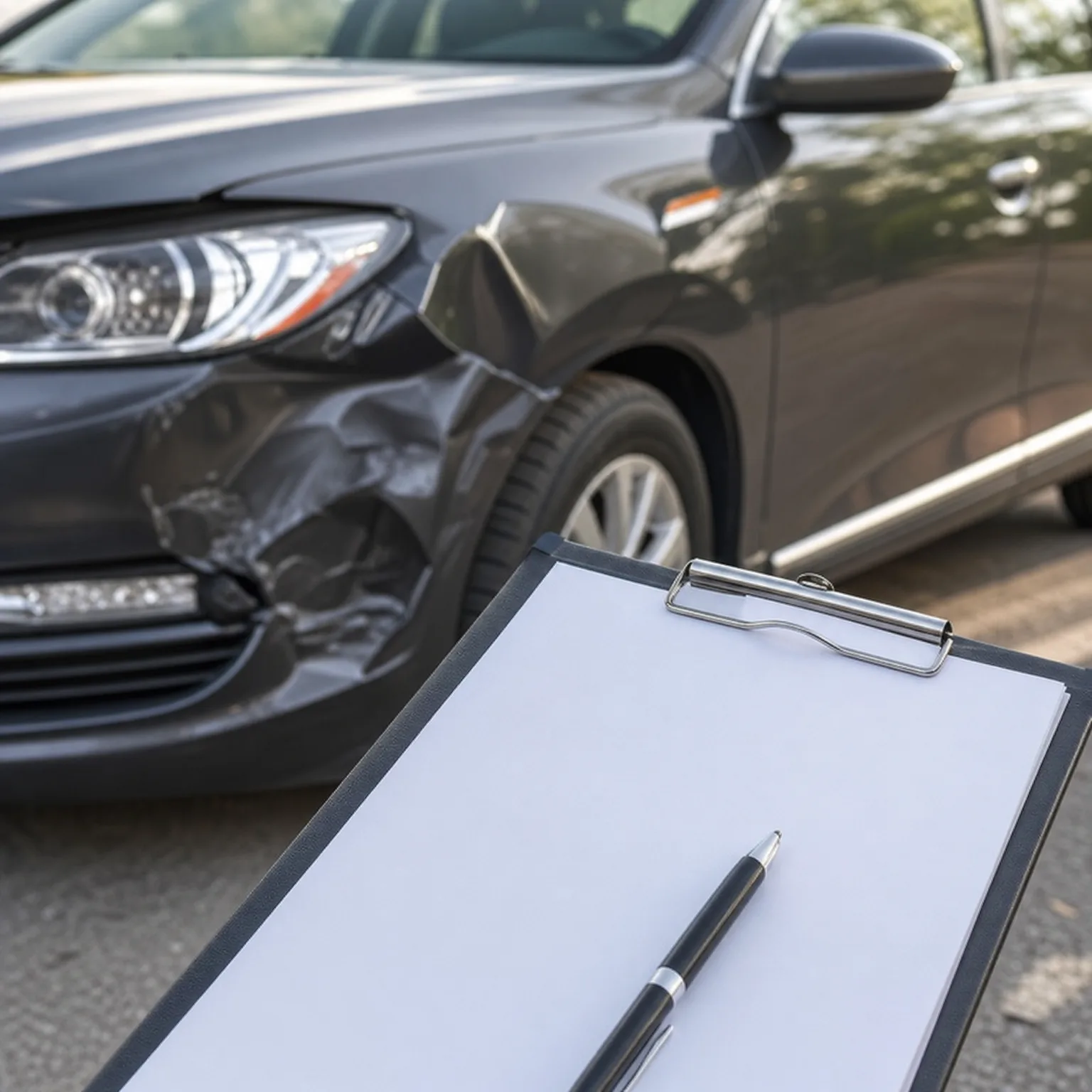
- Damage from an accident If the car is undriveable because of a collision, that's handled under your collision coverage, not roadside assistance.
- Routine maintenance stops This isn't a service plan, so oil changes or scheduled upkeep aren't part of it.
- Unlimited calls in some cases Some policies cap how many times you can use it in a given period, so check your own policy for that limit.
- A rental car while you wait That's a separate coverage, often called rental reimbursement, and roadside assistance doesn't include it.
Worth keeping for most snowbird drivers, worth dropping only in specific cases
If you're driving a long distance twice a year through unfamiliar territory, often in winter weather, this is one of the cheaper lines on your policy and it solves a real problem. Breaking down outside your home network, without a shop you know or a neighbor to call, is a different situation than breaking down five minutes from your house.
If your car is older and already has some mechanical issues, this matters more, not less. Older cars are more likely to need a jump or a tow, and towing costs add up fast if you're paying for it yourself on a long trip, especially from a remote stretch of highway.
Some auto clubs or membership programs offer the same kind of help, and if you already belong to one, you may be paying for coverage twice. It's worth checking what that membership actually includes before assuming you need both.
If you rarely drive more than a short distance from home, keep a newer car under warranty, and have family nearby who could help in a pinch, this coverage matters less. But for two long interstate drives a year, most people in their sixties, seventies and eighties find it's worth keeping.

What actually happens when you call
There's typically no deductible on this coverage, since it's priced as a flat add-on rather than tied to the cost of damage. You call a number on your card or app, give your location, and someone is dispatched to you or arranges a local tow truck or service provider to come out.
The call usually goes faster if you know your exact location, what's wrong as best you can describe it, and whether the car is in a safe spot off the road. Have your policy number and the make and model ready, since that speeds up dispatch.
The payment, if there is one, generally covers the service call and the tow to a shop within a set distance. Anything beyond that distance, or the actual repair work once you're at the shop, is your responsibility or your mechanic's to sort out.
If you're far from home when you call, ask whether the service area still applies the same way. Some policies treat this the same nationwide, but it's worth confirming before you're relying on it in an unfamiliar state.
Roadside assistance versus towing and labor coverage
Roadside assistance
This is the broader coverage that includes towing along with jump starts, lockouts, flat tires, and fuel delivery. It's meant to get you unstuck no matter what the problem is.
Towing and labor coverage
This is a narrower, older-style coverage that mainly pays for the tow itself and labor performed at the roadside, without the full range of services like lockout help or fuel delivery.
If you want one coverage that handles the whole range of common breakdowns, roadside assistance is the better fit, while towing and labor suits someone who only wants the tow covered and nothing else.
Real situations
You're driving through a mountain pass and the car won't start after a gas station stop at a rest area.
This pays, since a jump start or tow to the nearest shop is exactly what roadside assistance covers.
A deer runs into the road at dusk and your car is damaged enough that it can't be driven.
Roadside assistance will arrange the tow, but the collision damage itself is paid under your collision coverage, not this one.
You get a flat tire in a store parking lot and don't have a spare in the trunk.
This doesn't fully pay, since without a spare to install, the tow to a shop is covered but the new tire is not.
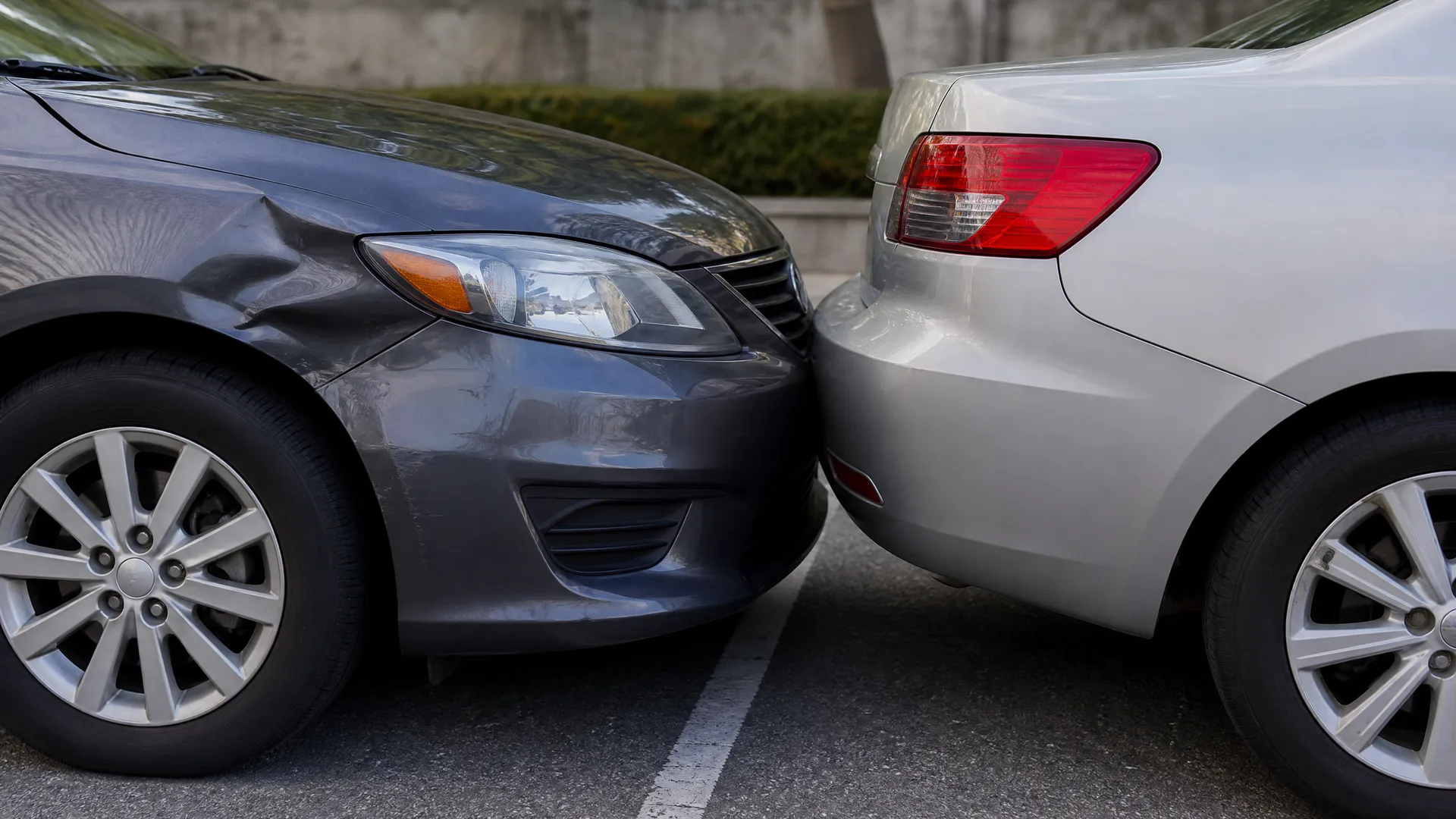
Once you know whether you want roadside assistance kept as is, added, or dropped, you can compare quotes with that settled instead of guessing at this line item.
Questions people ask about this
Does roadside assistance cover me in a car I don't own?
Usually yes, since this coverage typically follows the policyholder rather than the vehicle, so it applies whether you're driving your own car or a borrowed one. Check your policy wording to confirm it's tied to you and not just the listed car, since this does vary by policy.
Can I use roadside assistance for a trailer or rv I'm towing?
Often not automatically, since many policies only cover the vehicle listed on the policy and not whatever it's towing. If you regularly pull a trailer on your winter trips, ask whether that needs to be added separately.
What if I break down in a different state than where I live?
It generally still works, since roadside assistance is usually set up to apply wherever you're driving within the country, not just near home. It's still worth confirming with your policy before a long trip, since coverage details can vary.
Is roadside assistance cheaper through my phone plan or a membership instead of my car insurance?
It depends on what each one actually includes, so the answer isn't the same for everyone. Compare what's covered, like towing distance and number of calls allowed, rather than assuming one option is automatically cheaper.
Will using roadside assistance raise my insurance rate?
Typically no, since this coverage is usually treated differently from an at-fault claim and doesn't carry the same effect on your rate. It's still worth asking your agent directly, since how it's handled can vary by insurer.